
Trees
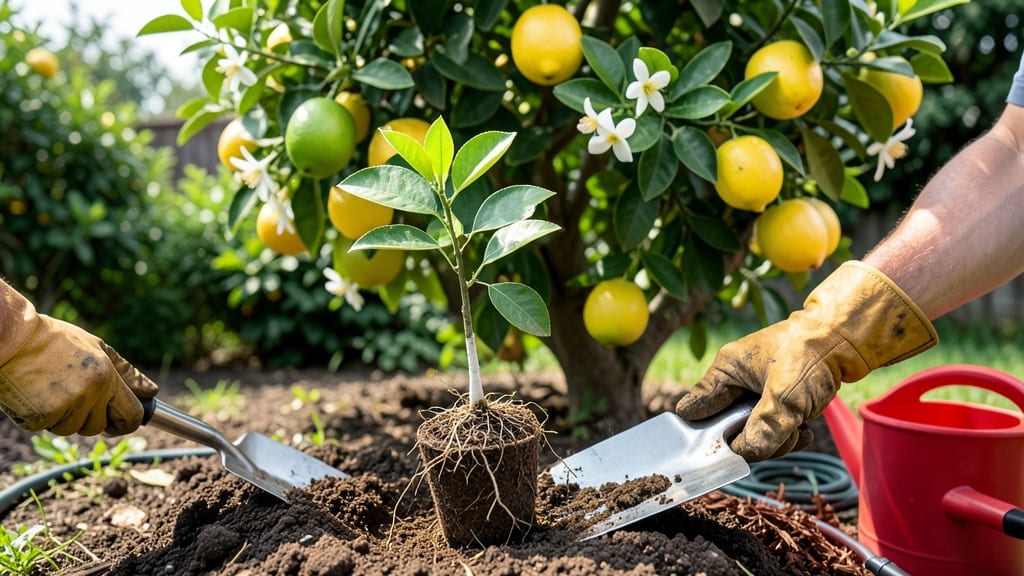
Knowing when to plant citrus trees in Arizona could mean the difference between a thriving 🍊 orchard and a sad, wilted investment.
The desert’s unique climate demands precision—plant too early, and your tree might face winter chill; too late, and summer’s scorching heat will stress it before it even takes root.
Most gardeners in USDA Zone 9b swear by the November–March window, when temperatures are mild and monsoon season’s over. But timing isn’t just about months—it’s about avoiding Arizona’s tricky microclimates, from frost pockets in higher elevations to the relentless sun of the low desert.
In this guide, I’ll break down the exact window for planting Meyer lemons, grapefruit, and other varieties, plus how to prep your soil, pick the right spot, and keep your tree happy year-round. Skip the guesswork—let’s get your citrus off to the best start possible.
Whether you’re a first-time gardener or a seasoned pro, these desert-specific tips will help you avoid common mistakes and ensure your citrus tree grows strong enough to bear fruit for years. Ready to dig in?
Optimal Arizona citrus planting windows: month-by-month desert timeline
Arizona’s desert climate offers ideal conditions for citrus trees, but timing your planting is critical to avoid heat stress or winter chill damage. The best window spans November through March, when temperatures are mild and rainfall is minimal.
This period allows roots to establish before the scorching summer sun or rare frost events.
Citrus trees thrive in Arizona’s USDA Zones 9b–11, but microclimates vary dramatically. Low-desert areas like Phoenix and Tucson enjoy 300+ frost-free days, while higher elevations (e.g., Flagstaff) face colder snaps. Always check your specific zone and last frost date—typically around January 15 in most regions.
Here’s a breakdown of the ideal planting months, tailored to Arizona’s unique seasons:
| Month | Temperature Range (°F) | Rainfall (inches) | Planting Suitability | Key Considerations |
|---|---|---|---|---|
| November | 50–75°F | 0.5–1.5 | ✅ Ideal | Cool nights, minimal heat stress; perfect for root establishment. |
| December | 40–65°F | 0.3–1.0 | ✅ Ideal | Watch for rare frost in high desert; use frost cloth if needed. |
| January | 45–68°F | 0.4–1.2 | ✅ Ideal | Last frost risk; ideal for dwarf varieties like Meyer lemon. |
| February | 50–72°F | 0.2–0.8 | ✅ Ideal | Warmer days; reduce watering slightly to prevent root rot. |
| March | 55–80°F | 0.1–0.5 | ⚠️ Cautionary | Heat intensifies; plant early in the month for young trees. |
| April | 65–90°F | 0.0–0.3 | ❌ Avoid | Extreme heat stress; transplant shock risk increases. |
| May–September | 90–115°F | 0.0–1.5 | ❌ Avoid | Monsoon season (July–Sept) brings fungal risks; high evaporation. |
| October | 60–85°F | 0.5–1.0 | ⚠️ Cautionary | Post-monsoon; soil may be too wet; wait for dry spells. |
Arizona’s low-desert regions
Citrus tree planting mistakes in Arizona: what to avoid during each season
Arizona’s citrus trees thrive when planted correctly, but seasonal mistakes can turn your fruit-bearing dreams into a desert nightmare. The biggest mistake? Planting during the monsoon season (July–September), when sudden downpours and fungal risks like citrus greening lurk.
Even well-intentioned gardeners overlook these pitfalls, leading to stunted growth or worse.
Another critical error is ignoring soil pH—Arizona’s alkaline soil (often pH 7.5+) chokes citrus, which prefers 6.0–7.0. Without amending with sulfur or peat moss, your tree’s roots suffocate.
Overwatering in winter months is equally deadly, causing root rot in the cool, damp soil. Even drought-tolerant citrus can’t handle soggy feet.
- Monsoon Season (July–Sept): Avoid planting—fungal diseases thrive in humidity.
- Winter Overwatering (Dec–Feb): Roots rot in cool, wet soil; reduce to bi-weekly.
- Summer Heat Stress (June–Aug): New transplants wilt; opt for shade cloth until established.
- Wrong Variety for Containers: Standard trees (20+ ft) fail in pots; choose dwarf varieties like ‘Meyer lemon’.
Choosing the wrong citrus variety for your microclimate is another blunder. For example, Valencia oranges struggle in Phoenix’s Zone 10a, while ‘Satsuma’ mandarins thrive in cooler Flagstaff (Zone 7b). Even in the low desert, grapefruit needs protection from 32°F frosts—common in higher elevations like Prescott.
Young trees also suffer from transplant shock if planted in full summer sun without acclimation. Nursery trees grown in shaded greenhouses can’t handle Arizona’s 115°F+ shade temps.
Harden them off gradually by moving them to 50% shade for 2 weeks before full sun exposure. Skipping this step means wilting leaves and slow recovery.
Finally, skipping rootstock selection leads to weak trees. Arizona’s ‘Carrizo’ citrange rootstock (cold-hardy to 15°F) is ideal for high-desert areas, while ‘Swingle’ citrumelo resists citrus nematodes in sandy soils. Pairing the wrong rootstock with your scion (fruit-bearing top) weakens the tree’s resilience to Arizona’s extremes.
To avoid these mistakes, use this desert-specific