
Plants
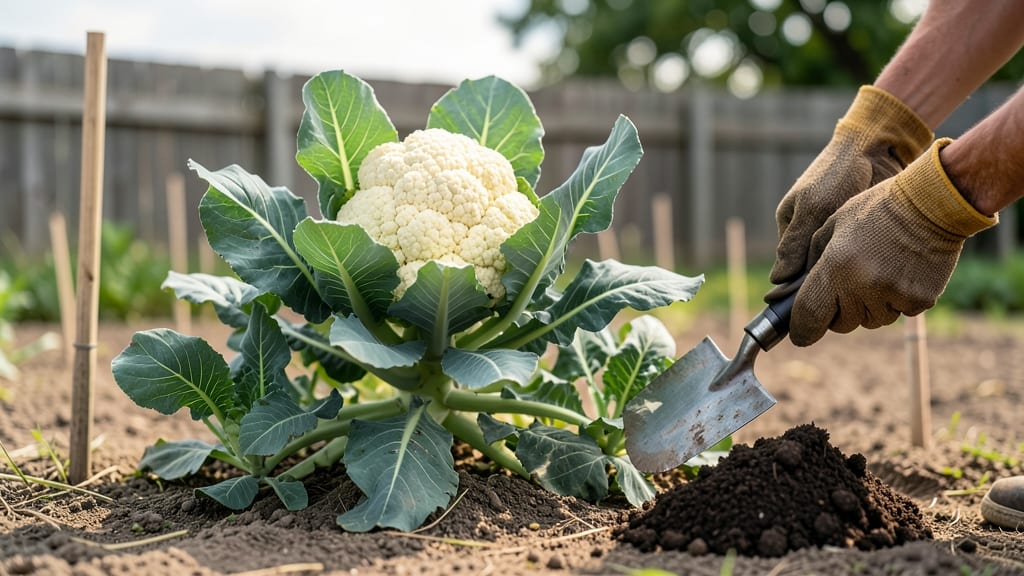
If you've ever tried to plant cauliflower in Georgia and watched it bolt into bitter flowers instead of forming a perfect head, you're not alone—Georgia's unpredictable climate makes timing everything.
Planting at the wrong moment means wasted effort, but get it right, and you'll enjoy crisp, flavorful harvests from May through November.
The key to success lies in knowing when to plant cauliflower in Georgia—whether you're aiming for spring's mild days or fall's cooler weather. In USDA zones 7b-8a, your planting window is narrow: February-March for spring and August-September for fall.
Miss these dates, and you risk either stifling heat or early frost.
I've tested these strategies in my own garden, and the difference between a thriving crop and a failed attempt comes down to soil temperature, variety selection, and shade management.
Let me walk you through the exact steps to time your planting for zero-bolt success, no matter which season you choose.
From transplanting timing to heat-tolerant varieties, you'll discover how to maximize your harvest—whether you're growing in containers or in-ground beds. Ready to grow cauliflower that actually tastes like it came from a farmer's market? Let's get started.
Georgia’s best cauliflower planting times: spring vs fall calendar breakdown
Georgia’s USDA Zones 7b-8a create a unique growing window for cauliflower, where spring and fall plantings thrive while summer’s heat forces dormancy. The key? Timing your planting dates around soil temperatures and frost risks—both of which vary dramatically between North and South Georgia.
In North Georgia (e.g., Atlanta, Dahlonega), the last frost date typically lands in mid-March, while South Georgia (e.g., Savannah, Valdosta) can push it to late March. Meanwhile, the first frost arrives in mid-November statewide, leaving just 210 frost-free days to grow.
This tight window demands precision—plant too early, and your crop bolts; too late, and frost ruins your harvest.
For spring plantings, aim to sow seeds 4-6 weeks before your last frost date. In most of Georgia, this means February to early March. For fall harvests, start seeds 8-10 weeks before the first frost, landing in August to early September.
Transplants (not direct sowing) work best in Georgia’s climate, giving you a 3-week head start on growth.
Here’s the exact planting calendar broken down by region and season, including soil temperature thresholds and microclimate adjustments:
| Season | Planting Window | Soil Temp (°F) | Transplant Date | Harvest Window | Notes |
|---|---|---|---|---|---|
| Spring | Feb 15–Mar 15 | 50–60°F | Mar 1–Mar 15 | May–June | Use shade cloth if temps exceed 80°F |
| Fall | Aug 1–Sep 15 | 60–70°F | Sep 1–Sep 15 | Oct–Nov | Mulch to extend season |
| North GA Adjustment | Shift 1–2 weeks earlier | N/A | N/A | N/A | Cooler microclimates allow earlier starts |
Why these dates? Cauliflower bolts (prematurely flowers) when soil temps hit 80°F+. In Georgia’s summer, that’s inevitable, so fall plantings are your safest bet. For spring, focus on transplants (not seeds) to bypass slow early growth.
Pro tip: Start seeds indoors in January for transplants ready by March 1.
Georgia’s Coastal Plain (South GA) enjoys 10–14 extra frost-free days than the Piedmont. Use this to your advantage: South GA gardeners can push fall plantings into early October with row covers. Meanwhile, North GA should prioritize spring harvests and use black plastic mulch to warm soil for fall starts.
One common mistake? Assuming “Georgia’s warm climate” means cauliflower grows year-round. Nothing could be further from the truth. Summer heat (June–August) forces cauliflower into dormancy—it won’t grow, let alone form heads.
Instead, treat these months as a garden reset: amend soil with compost, rotate crops, and prep beds for fall transplants.
For container growing (common in urban Atlanta or Savannah), stick to dwarf varieties like ‘Purple of Sicily’ and plant in 5-gallon pots. Containers dry out faster, so water daily and use moisture-retentive soil.
Your planting window shrinks slightly—aim for March 1–April 15 (spring) or August 15–September 1 (fall) to avoid heat stress.
Remember: Georgia’s humidity is a double-edged sword. It helps cauliflower stay crisp but also increases disease risks like downy mildew. Space plants 18–24 inches apart for airflow, and always water at soil level (not overhead) to prevent fungal spores from splashing onto leaves.
Your first harvest could be as early as late May (spring) or early October (fall), but don’t rush it. A cauliflower head needs 70–100 days to mature—check for
Georgia’s best cauliflower planting times: spring vs fall calendar breakdown
Georgia’s climate—hot summers and mild winters—gives you two prime windows for growing cauliflower: spring and fall. Miss these, and you’ll face either premature bolting (from heat) or frost damage (from cold). The key is planting when soil temps are 50–65°F and days are cool but frost-free.
For spring plantings, start 4–6 weeks before your last frost date (typically mid-March). In North Georgia (USDA Zone 7b), aim for February–March; in South Georgia (Zone 8a), stretch it to late January–February.
Fall plantings need 8–10 weeks before the first frost (usually mid-November), so August–September is ideal.
Direct sowing works for spring, but transplants (from nurseries) give you a head start. Fall transplants should be 4–6 weeks old when planted. Pro tip: Use shade cloth in summer to protect seedlings from Georgia’s intense sun.
| Season | Planting Window | Soil Temp | Key Notes |
|---|---|---|---|
| Spring | Feb–Mar (North GA) / Late Jan–Feb (South GA) | 50–65°F | Direct sow or transplants; harvest May–June. |
| Fall | Aug–Sep | 60–70°F | Transplants only; harvest Oct–Nov before frost. |
North Georgia’s cooler nights in spring make it easier to grow cauliflower without bolting, but South Georgia’s earlier last frost means you can start sooner. For both regions, avoid planting in July or August—the heat will send your plants into bolting mode faster than you can say “pesticide.”
Use mulch (straw or black plastic) to keep soil temps stable and retain moisture. In fall, focus on heat-tolerant varieties like ‘Graffiti’ to handle late-summer heat before the cooler weather arrives. Always check your local USDA frost dates—they’re your best guide!
Container growing? Use larger pots (12+ inches deep) and plant 2–3 weeks earlier than in-ground to compensate for faster drying. Containers also warm up quicker, so monitor soil temps closely.
Timing isn’t just about months—it’s about microclimates. If you’re in a valley or near water, you might have 10–14 extra frost-free days compared to higher elevations. Adjust accordingly!