
Plants
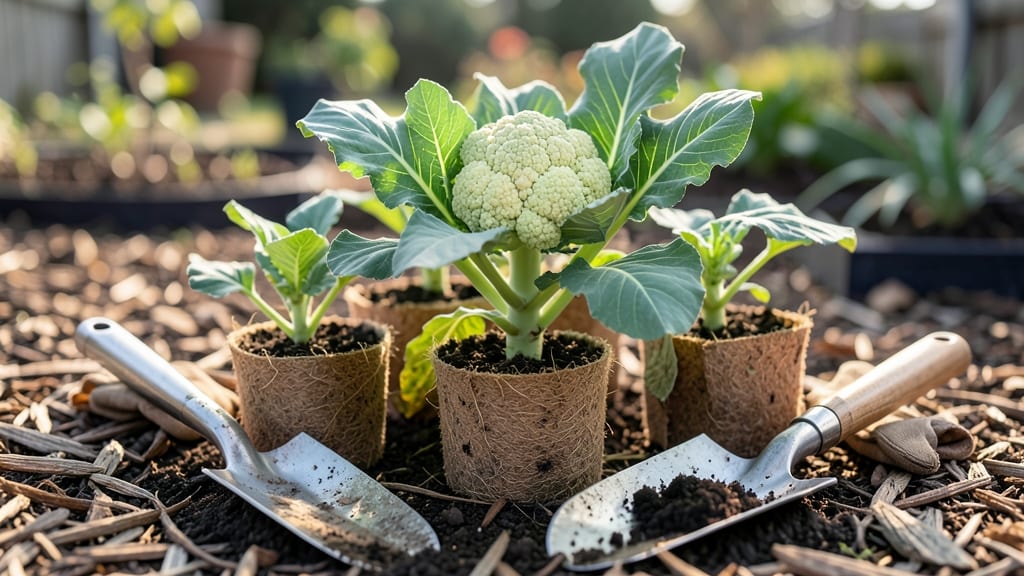
If you’ve ever stared at a sad, bolted cauliflower plant in your Zone 9b garden and wondered "why didn’t this work?", the answer is timing.
Planting 🥬 at the wrong moment means dealing with heat stress, bitter heads, or worse—your plants shooting up flowers before they ever form a single decent head.
Here’s the truth: Cauliflower thrives in cool weather, and in Zone 9b (think Phoenix or Southern California deserts), that means fall or winter planting is your only shot.
Miss the window between late September and early November, and you’ll either fry your plants in summer heat or watch them struggle through sweltering days. But get it right, and you’ll harvest firm, flavorful heads from December through March.
I’ve grown cauliflower in this exact climate, and I’ll show you the exact dates to plant for zero-bolt success—plus how to adjust for coastal vs. inland microclimates. No more guessing games, just science-backed deadlines like planting by mid-September or waiting until January.
Ready to turn your garden into a cauliflower powerhouse? Let’s dive into the cool-season secrets that’ll have you enjoying homegrown 🥬 all winter long—without the stress of bolting or heat damage.
Optimal planting windows for cauliflower in Zone 9b (avoid bolting!)
Cauliflower thrives in cool-season temperatures (45-75°F), making Zone 9b’s fall and winter the perfect time to grow. Plant too early, and you’ll trigger bolting from summer heat; too late, and your heads won’t mature before spring warmth.
My Zone 9b planting window is narrow but precise: late September to early November for fall harvests or January to early February for spring. Coastal areas have slightly later windows than inland deserts.
Key to success is calculating 6-8 weeks before your first frost. In Zone 9b, frost typically arrives December 1-15 (earlier in deserts, later near coasts). Count backward: if your first frost is December 10, plant by October 20 for a 75-day harvest.
Use this timeline to avoid rushed, bitter heads.
For extended harvests, try succession planting in late summer. Start with direct sowing in mid-August under 30-50% shade cloth to cool soil. Transplant seedlings in early September when temps drop below 85°F. This "staggered" approach gives you heads from December to March.
🌱 Pro Tip: Check your local Almanac frost dates—they vary even within Zone 9b. For example, Phoenix averages December 15 for first frost, while San Diego may see frost as late as January 10. Adjust your window accordingly.
| Planting Window | Ideal Temperature | Harvest Time | Notes |
|---|---|---|---|
| Late September - Early November | 50-70°F (Day) / 40-55°F (Night) | December - March | Fall-planted; best for winter harvest |
| January - Early February | 55-75°F (Day) / 45-60°F (Night) | April - June | Winter-planted; avoid spring heat |
| Mid-August (Succession) | 75-85°F (with shade) | December - January | Use 50% shade cloth; transplant in Sept |
Microclimates in Zone 9b create localized differences. Coastal areas like Santa Barbara stay cooler longer, allowing later winter plantings (up to February 15). Inland deserts (e.g., Palm Springs) must plant by October 15 to avoid heat stress.
Test your microclimate by checking soil temps—ideal planting soil should be 50-60°F.
For container growing, start seeds indoors 8-10 weeks before transplanting. Use 5-gallon pots with well-draining soil (60% potting mix, 40% compost). Move pots to partial shade when daytime temps exceed 75°F. Containers dry out faster, so water daily in summer and every 2-3 days in fall.
💧 Watering Hack: In Zone 9b’s dry air, water deeply in the morning to prevent fungal diseases. Use drip irrigation or soaker hoses to keep leaves dry—wet foliage + heat = rot risk. Aim for 1-2 inches of water weekly, adjusting for rain.
Common mistakes in Zone 9b include planting too late (heads won’t mature) or skipping soil prep. Amend beds with 2-3 inches of compost and a balanced fertilizer (10-20-10) before planting. Cauliflower is heavy feeders, so side-dress with nitrogen-rich fertilizer when seedlings are 4 inches tall.
🌿 Variety Tip: Choose heat-tolerant varieties like 'Snowball Y Improved' or 'Purple of Sicily'. These handle short heat spikes better than standard types. For purple cauliflower, expect 10-14 days longer to maturity—account for this in your planting timeline.
Optimal planting windows for cauliflower in Zone 9b (avoid bolting!)
Cauliflower thrives in cool-season temperatures (45-75°F), making Zone 9b’s fall and winter your best planting windows. In my experience, late September to early November for fall planting and January to early February for winter planting yield the best results.
These windows align with your first frost dates (Dec 1-Jan 10), ensuring plants mature before heat stress sets in.
Your microclimate matters—coastal areas (like San Diego) can handle slightly later plantings than inland deserts (like Phoenix). For example, I planted 'Snowball Y Improved' in early November in my coastal garden and harvested by February, while my desert friend planted in late September for a December harvest.
Always check your local frost dates and aim to plant 6-8 weeks before the first frost.
Here’s your Zone 9b cauliflower planting timeline with key temperature thresholds and frost considerations:
| Planting Window | Ideal Soil Temp (°F) | Days to Harvest | Key Notes |
|---|---|---|---|
| Late September - Early November | 60-75°F | 75-90 days | Fall planting; harvest Dec-Mar |
| January - Early February | 55-65°F | 60-75 days | Winter planting; harvest Apr-Jun |
| Avoid Summer Planting | N/A | N/A | Heat >85°F causes bolting |
For extended harvests, try succession planting in late summer (August). Start seeds indoors in late July and transplant outdoors in early September under 30-50% shade cloth.
This gives you a head start before cooler temps arrive. I’ve used this method to harvest cauliflower from October through February without bolting issues.
Pro tip: Use a soil thermometer to confirm temps are below 80°F at planting. Cauliflower seeds won’t germinate well in hot soil. If your soil runs warm, try shallow planting (1/2 inch deep) and keep it moist until sprouts appear.
Mulch with straw or wood chips to regulate soil temperature and retain moisture.
Remember, bolting is your enemy in Zone 9b. The key is cool nights (below 70°F) and warm days (below 80°F). If your area experiences unpredictable heat spikes, opt for purple or orange varieties like 'Graffiti' or 'Cheddar'—they’re more heat-tolerant than white varieties. 🥬