
Plants
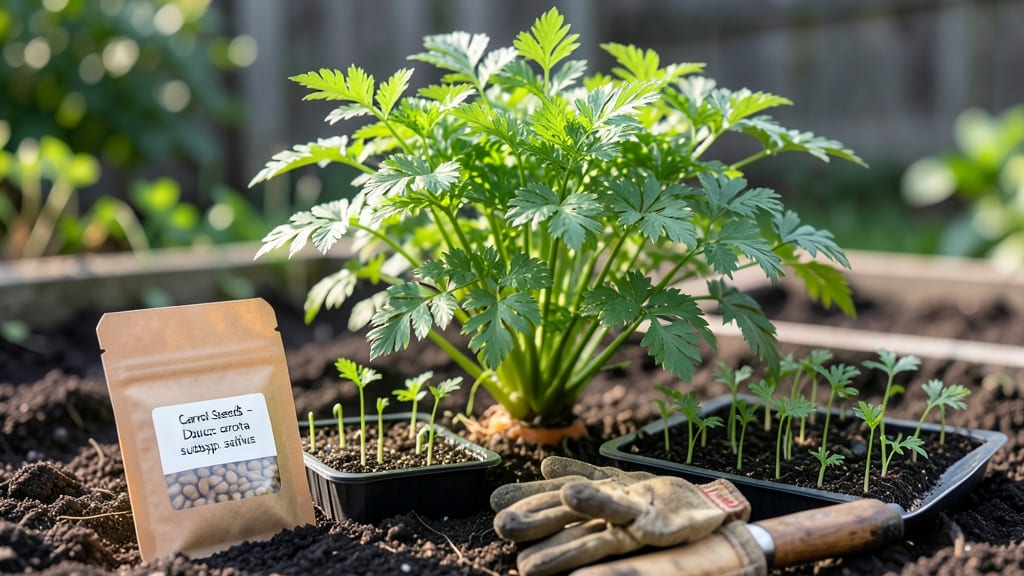
Knowing when to plant carrots in Zone 9a can mean the difference between sweet, crisp 🥕 harvests and bitter, bolted failures.
Unlike cooler climates, Zone 9a’s mild winters and hot summers demand a precise timing strategy—plant too early, and the heat sends your carrots shooting up to seed; too late, and they’ll struggle with inconsistent moisture.
Here’s the game-changer: late fall (September–November) is your sweet spot. When temperatures dip into the 50–70°F range, carrots thrive without the stress of summer heat or winter chill. This window also lets you take advantage of Zone 9a’s extended growing season, giving you harvests from December through April.
But timing isn’t everything—soil prep and consistent moisture are just as critical. We’ll break down how to pick the right varieties, prep your soil for loose, rocky-free roots, and avoid common pitfalls like bolting. With these tips, you’ll be pulling perfectly shaped, sweet carrots all winter long.
Ready to turn your garden into a carrot powerhouse? Let’s dive into the exact steps to make it happen—no more guesswork, just delicious results.
Best planting windows for carrots in Zone 9a to prevent bolting
Zone 9a gardeners have a unique advantage for growing carrots—the mild winters allow extended growing seasons without frost. The key is timing: plant too early in summer, and your carrots will bolt prematurely from heat stress.
Too late, and they’ll struggle with winter chill or summer’s return. My go-to strategy is a late-fall planting window that aligns with cooling temperatures and consistent moisture.
Carrots thrive in 50–70°F soil temperatures, making September through November the ideal window for Zone 9a. This timing lets them establish roots before winter’s mild chill and avoids the bolting trigger of summer heat.
For a second harvest, I also plant in December for a spring crop, using row covers to protect from unexpected cold snaps.
| Planting Window | Ideal Soil Temp (°F) | Key Considerations | Best Varieties |
|---|---|---|---|
| Late September–October | 55–65°F | Avoids summer heat; roots mature before winter | Danvers Half Long, Nantes |
| December–Early January | 50–60°F | Harvest before spring heat; use row covers | Paris Market, Chantenay |
| February–March (Risky) | 55–65°F | High bolting risk; best for short-season varieties | Little Finger, Short ‘n Sweet |
Microclimates in Zone 9a can shift planting windows by 2–4 weeks. Coastal areas stay cooler longer, while inland spots heat up faster. I always test soil temperature with a soil thermometer before planting—aim for 55°F or warmer to prevent slow germination.
If your garden runs hot, opt for shade cloth during peak afternoon sun to keep roots cool.
Bolting is the #1 enemy of Zone 9a carrot growers, and heat triggers it faster than you’d think. Carrots exposed to consistent temps above 80°F for even a few days may flower prematurely, leaving you with bitter, woody roots.
My trick? Plant in deep, loose soil with mulch to insulate roots from temperature swings. A 4-inch layer of straw keeps soil temps stable and retains moisture.
For succession planting, I stagger seeds every 2–3 weeks from September through November. This ensures a continuous harvest from December through April. Use short-season varieties like ‘Little Finger’ for quick turns, and save longer-maturing types like ‘Danvers’ for fall plantings.
Always label your rows to track planting dates and varieties!
Row covers are a game-changer in Zone 9a. They protect young seedlings from wild temperature swings and pests like carrot rust flies.
I use floating row covers in winter to shield crops from unexpected cold snaps, then remove them in spring to allow pollination if you’re growing flowers (though carrots are self-pollinating, so this step is optional).
Watering strategy makes or breaks carrot success in Zone 9a. Carrots need consistent moisture to prevent forked or hairy roots, but overwatering can cause rot. My rule: deep water 2–3 times per week in fall/winter, reducing to once weekly in cooler months.
Always water in the morning to let foliage dry before nightfall, reducing disease risk.
Don’t overlook soil preparation—Zone 9a’s clay-heavy soils often need amendments to prevent root deformities. I mix in compost and coarse sand to create a loose, rocky-free bed.
Avoid fresh manure, which can burn tender roots. A pH of 6.0–7.0 is ideal; test your soil and adjust with lime or sulfur if needed.
Finally, thin seedlings properly—crowded carrots compete for nutrients and bolt faster. I thin to 2–3 inches apart when seedlings are 2 inches tall, using scissors to avoid disturbing roots.
This spacing gives them room to develop straight, sweet roots without competition. With the right timing and care, you’ll harvest crisp, flavorful carrots all winter long!
Best planting windows for carrots in Zone 9a to prevent bolting
Zone 9a’s mild winters and hot summers create a unique challenge for growing carrots. Unlike cooler climates, you can’t plant in early spring or late summer without risking bolting (premature flowering) or poor root development.
The ideal window is late fall, when temperatures hover between 50–70°F—perfect for steady germination and growth without heat stress.
My first successful batch came from sowing seeds in late September. This timing ensures carrots mature before summer’s intense heat arrives. For a winter harvest, you can even plant again in December, though growth slows during cooler months.
The key is avoiding summer planting, which triggers bolting within weeks.
🌱 Comparison Table: Zone 9a Carrot Planting Windows
| Planting Window | Ideal Temperature | Harvest Window | Key Considerations |
|---|---|---|---|
| Late September–October | 50–70°F | December–March | Best for crisp roots; avoid bolting. |
| December–January | 45–60°F | March–May | Slower growth; protect from light frosts. |
| August (Risky) | 80–90°F | September–October | High bolting risk; only for heat-tolerant varieties. |
Note: Zone 9a’s minimal frost allows year-round planting with adjustments.
For succession planting, stagger seeds every 2–3 weeks from September through November. This ensures a continuous harvest and reduces bolting pressure. I’ve found that shallow sowing (0.5 inches deep) in loose, rocky-free soil improves germination rates in Zone 9a’s clay-heavy soils.
Microclimates matter! Coastal areas with cooler nights can plant slightly earlier, while inland zones should wait until October 1st to avoid heat stress. Always check your local last frost date—though Zone 9a rarely freezes, unexpected cold snaps can stunt growth.
Extend your season with row covers or cold frames to protect seedlings from unexpected chills. I’ve used floating row covers in December to shield carrots from 30°F nights, preventing stunted roots. Just remove covers during the day to avoid overheating.
Monitor soil moisture closely—consistent watering is critical in Zone 9a’s dry spells. Let the top inch dry between waterings, but never let soil crack. Mulch with straw to retain moisture and suppress weeds, which compete for nutrients.
Watch for bolting signs: elongated stems, yellowing leaves, or flowers. If caught early, harvest immediately or shade plants with 30% shade cloth to slow the process. In my garden, bolting usually starts by mid-March if planted too early.