
Companion Plants
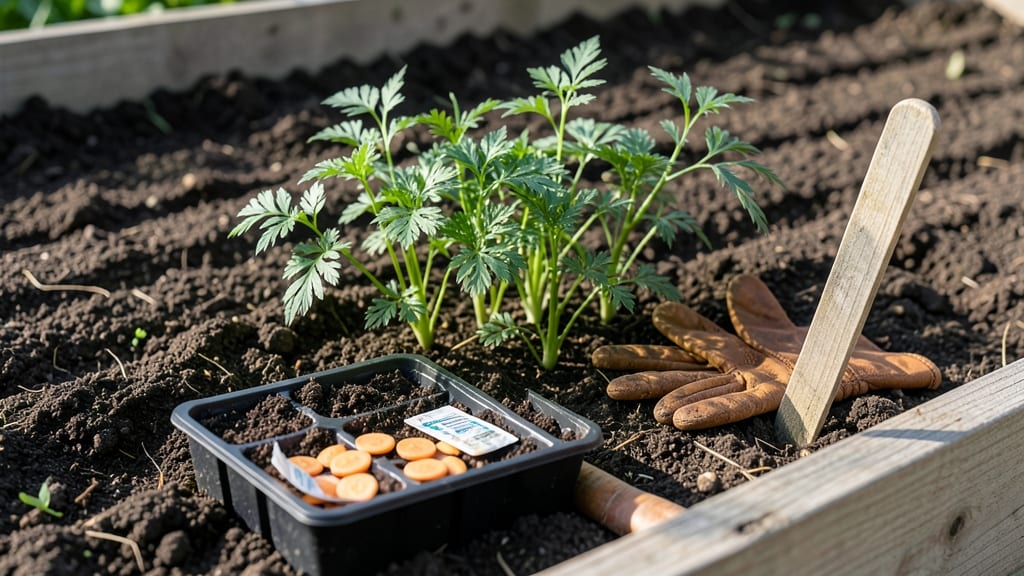
If you're wondering "when can I plant carrots in Zone 6", timing is the secret weapon for crisp, flavorful roots that don't bolt or rot. Too early, and frost turns your seeds to mush; too late, and your 🥕 plants rush to flower before you even get a harvest.
The difference between a thriving crop and a wasted effort often comes down to knowing exactly when to get those seeds in the ground.
Zone 6 gardeners have two prime windows to work with: early spring and late summer.
Planting 4-6 weeks before your last frost (typically mid-April) gives your carrots enough time to mature before summer heat sets in, while a late summer planting 3 months before first frost (mid-October) ensures a fall harvest.
The key is soil temperature—wait until it warms to at least 50°F to avoid slow, uneven germination.
But here's the game-changer: succession planting. By spacing out your sowings every 2-3 weeks during these windows, you can stretch your harvest from late spring to early fall. This simple strategy prevents overcrowding, reduces bolting risks, and keeps your kitchen stocked with fresh, homegrown 🥕 all season long.
Ready to grow carrots that actually taste like they came from a farm stand? Let's break down the exact planting schedule, soil prep secrets, and frost timing you need to make this your most successful carrot season yet.
Zone 6 carrot planting calendar: exact weeks before last frost for success
Timing your carrot planting in Zone 6 is critical—get it wrong, and you’ll either lose seedlings to frost or watch your plants bolt before harvest. The last frost date in most Zone 6 regions (like mid-April) is your anchor.
For best results, aim to plant 4-6 weeks before that date, when soil temperatures consistently reach 50°F (10°C).
Carrots are cool-season crops, meaning they thrive in spring’s mild temperatures and can even handle light frosts. However, they won’t germinate in cold, wet soil. Use a soil thermometer to confirm readiness—50°F (10°C) is your magic number for germination.
In Zone 6a (colder sub-zone), wait until late March or early April; in Zone 6b, you can start as early as mid-March.
Here’s the Zone 6 carrot planting timeline to maximize your harvest:
| Planting Window | Soil Temp | Frost Risk | Harvest Window | Notes |
|---|---|---|---|---|
| Early Spring (4-6 weeks before last frost) | 50-65°F (10-18°C) | Low (light frost tolerance) | Late May - Early July | Best for long, sweet roots; avoid bolting. |
| Late Summer (3 months before first frost) | 55-70°F (13-21°C) | None (harvest before frost) | September - October | Smaller roots; avoid heat stress. |
| Fall (8-10 weeks before first frost) | 45-60°F (7-15°C) | Moderate (cover seedlings if needed) | October - November | Slow growth; prioritize cold-hardy varieties. |
🌱 Planting Trade-Offs
Spring planting gives you the longest harvest window and the sweetest roots, but it requires careful timing to avoid frost damage. If you miss the spring window, don’t despair—late summer (around July 15) is your second chance for a fall harvest.
Just be prepared for smaller roots due to shorter daylight.
For Zone 6 gardeners, the first frost typically hits around mid-October, so your last planting window for a fall crop should be no later than August 1.
Use row covers to extend the season if needed, but avoid planting after August 15—your carrots won’t mature before frost.
Pro tip: Test your soil temperature before planting. If it’s below 50°F (10°C), wait a few days or use a seedling heat mat to jumpstart germination. Cold soil is the #1 reason carrots fail to sprout in Zone 6.
Once you’ve nailed your planting window, focus on succession planting every 2-3 weeks to ensure a steady supply. This prevents overcrowding and bolting—two common Zone 6 pitfalls. Thin seedlings to 2-3 inches apart as soon as they’re 2 inches tall to avoid competition.
Remember, carrots need full sun (6-8 hours daily) and consistent moisture. Water deeply once a week (or more in hot, dry spells) to keep the soil evenly moist. Drought stress leads to woody, bitter roots, so mulch around plants to retain moisture.
With the right timing, you’ll enjoy crisp, homegrown carrots from late spring to early fall—no grocery store needed! The key is planting early, monitoring soil temps, and staying consistent with care. Happy growing! 🥕
How to extend your carrot harvest in Zone 6: succession planting tips
Zone 6 gardeners can enjoy fresh carrots from early summer to fall by using succession planting. This method involves sowing seeds every 2–3 weeks to stretch your harvest window. Since carrots take 60–80 days to mature, staggered plantings ensure a continuous supply without overcrowding or bolting.
Start your first planting 4–6 weeks before your last frost date (typically mid-March to early April in Zone 6). Then, repeat every 2 weeks until mid-July. This timing avoids the heat stress that triggers bolting—when carrots flower prematurely and become woody.
For a fall harvest, your last planting should occur 3 months before your first frost (around mid-July). Choose shorter-day varieties like 'Paris Market' or 'Little Finger' for cooler weather. These varieties tolerate lower light levels and still deliver sweet, crisp roots.
Zone 6 Carrot Planting Timeline
Use shallow furrows (½ inch deep) and space seeds ¼ inch apart in rows 12–18 inches apart. Thin seedlings to 2–3 inches apart once they’re 2 inches tall—this prevents competition and ensures straight, uniform roots. Mulch with straw or shredded leaves to retain moisture and suppress weeds.
Monitor soil moisture closely during dry spells. Carrots need consistent watering (1 inch per week) to prevent cracking or bitter flavors. If your summer gets too hot, opt for shorter varieties or provide light shade during peak afternoon heat to delay bolting.
With this strategy, you’ll enjoy crisp, homegrown carrots from late June through October—no store-bought roots needed! Just remember: cool soil and consistent moisture are your best friends for sweet, straight carrots all season long. 🥕