
Plants
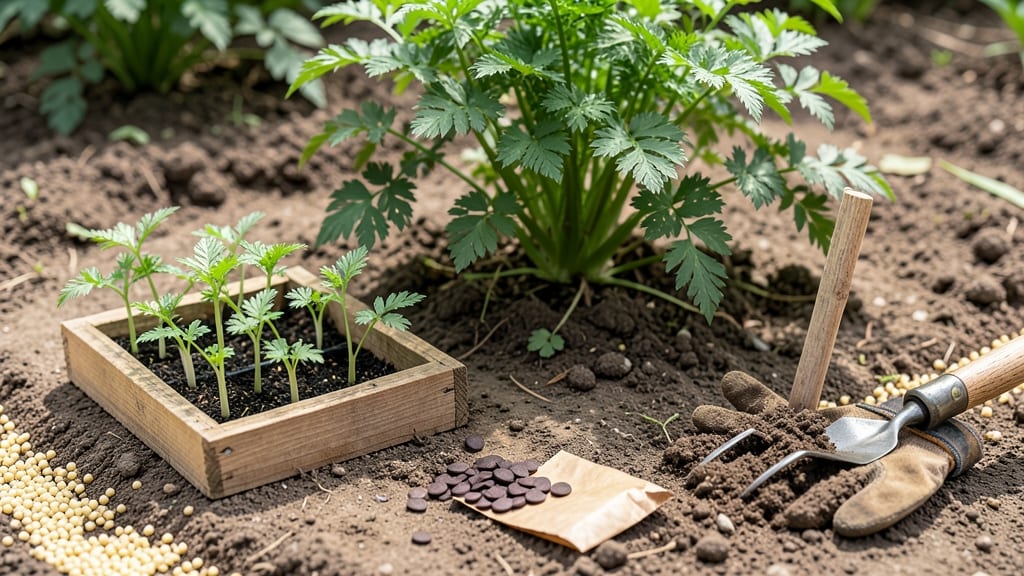
Knowing when to plant carrots in Zone 6a could mean the difference between a garden full of crisp, sweet 🥕 and a patch of struggling seedlings. With last frosts hitting around mid-April and first frosts arriving by mid-October, timing matters more than you might think.
Spring planting in early March or April gives you a head start, but late summer options in July or August can extend your harvest well into fall. The key is balancing soil warmth with frost risks—too early, and seedlings bolt; too late, and pests or cold set in.
I’ll break down the exact weeks to plant for maximum success, plus pro tips to avoid common mistakes. Whether you’re a first-time gardener or a seasoned pro, these insights will help you grow carrots that are straight, sweet, and plentiful.
Ready to dig in? Let’s get your Zone 6a carrot patch off to the best possible start.
Zone 6a carrot planting calendar: exact weeks for success
Carrots thrive in Zone 6a when planted during two key windows: early spring and late summer. The last frost date (around April 15) signals the start of your spring planting window, while July-August is ideal for fall harvests.
Timing matters because carrots need consistent soil temperatures above 45°F to germinate properly—plant too early, and you’ll risk frost damage or slow sprouting.
For spring planting, aim to sow seeds 4-6 weeks before your last frost date. In Zone 6a, that means mid-March to early April.
This gives seedlings enough time to mature before summer heat sets in. Fall planting should occur 8-10 weeks before the first frost (around mid-August to early September), ensuring a harvest before winter arrives.
🌱Pro Tip: Use a soil thermometer to confirm temperatures are above 50°F before planting—this prevents uneven germination.
📅 Zone 6a Carrot Planting Timeline
| Planting Window | Soil Temp (°F) | Frost Risk | Harvest Window |
|---|---|---|---|
| Mid-March to Early April | 50°F+ | Low (post-last frost) | July–October |
| Mid-August to Early September | 55°F+ | None (pre-first frost) | October–November |
🌡️ Key: Soil temps below 50°F delay germination; above 85°F causes bolting.
In Zone 6a, northern regions (like Upstate New York) may have slightly later frost dates, while southern areas (like Northern Virginia) can plant 1-2 weeks earlier. Always check your local frost dates—even within Zone 6a, microclimates vary by 5-10 days.
For example, Charlottesville, VA averages a last frost of April 1, while Syracuse, NY typically sees frost until April 20.
🌿Varietal Tip: Short-day varieties (like 'Paris Market') bolt less in summer heat, while long-day types (like 'Danvers') need cooler temps to mature. Choose accordingly for your planting window.
After sowing, maintain consistent moisture—carrot seeds need steady soil dampness to avoid cracking. Mulch with straw or shredded leaves to retain moisture and suppress weeds, which compete aggressively in spring and fall. Thin seedlings to 2-3 inches apart once they’re 2 inches tall to prevent overcrowding and forking.
💡Zone 6a Hack: Plant radishes alongside carrots—they germinate faster and mark rows, while their shallow roots won’t compete with carrots.
For fall harvests, prioritize fast-maturing varieties (like 'Early Nantes') to ensure roots bulk up before the first frost. If you miss the August window, consider container growing—pots warm up faster in fall and can extend your season by 2-3 weeks.
Just ensure containers have drainage holes to prevent rot.
🌱Final Check: Test soil pH (carrots prefer 6.0–7.0) and amend with compost if your soil is heavy clay—this prevents forking and improves root shape.
How to extend your carrot harvest in Zone 6a: succession planting secrets
Succession planting is my secret weapon for a never-ending carrot harvest in Zone 6a. By spacing out plantings every 2–3 weeks, you’ll avoid the dreaded "bolting" (when carrots flower prematurely) and keep fresh roots coming all season long.
This method also prevents overcrowding, which leads to stunted, forked carrots—every gardener’s nightmare.
Start your first batch 2–3 weeks after your last frost date (around mid-April in most of Zone 6a). Then, plant a new batch every 2–3 weeks until mid-July. This ensures you’ll have a steady supply from late June through October.
For a fall harvest, your last planting should go in by early August to mature before frost.
Here’s the golden rule: Never let your carrot patch go empty. If you stop planting in early summer, you’ll face a harvest gap just as your first batch matures. Succession planting keeps your garden productive and your kitchen stocked with homegrown goodness.
🌱 Succession Planting Timeline for Zone 6a
- 📅 Week 1: Plant first batch after last frost (mid-April)
- 📅 Week 3: Sow second batch (early May)
- 📅 Week 5: Add third batch (late May)
- 📅 Week 7: Plant fourth batch (early June)
- 📅 Week 9: Final batch for summer harvest (mid-June)
- 📅 Week 12: Last chance for fall harvest (early August)
Pair your carrots with companion plants to maximize space and deter pests. Onion, leek, and chive families repel carrot flies, while rosemary and thyme improve flavor and growth. Avoid planting near dill or parsley, as they attract pests that love carrots too.
Mulch with straw or grass clippings to retain moisture and suppress weeds—critical when seedlings are tiny and vulnerable.
Pro tip: Use shallow containers or raised beds for succession planting. They warm up faster in spring, giving you an earlier start and more flexibility. Just ensure the soil is loose and stone-free—carrots need room to grow straight and strong.
If your soil is heavy clay, mix in compost or sand before planting to prevent forking.
By mastering succession planting, you’ll turn your Zone 6a garden into a carrot-producing machine. No more sad, sparse harvests—just a steady stream of sweet, homegrown roots from summer through fall. Happy planting! 🥕