
Plants
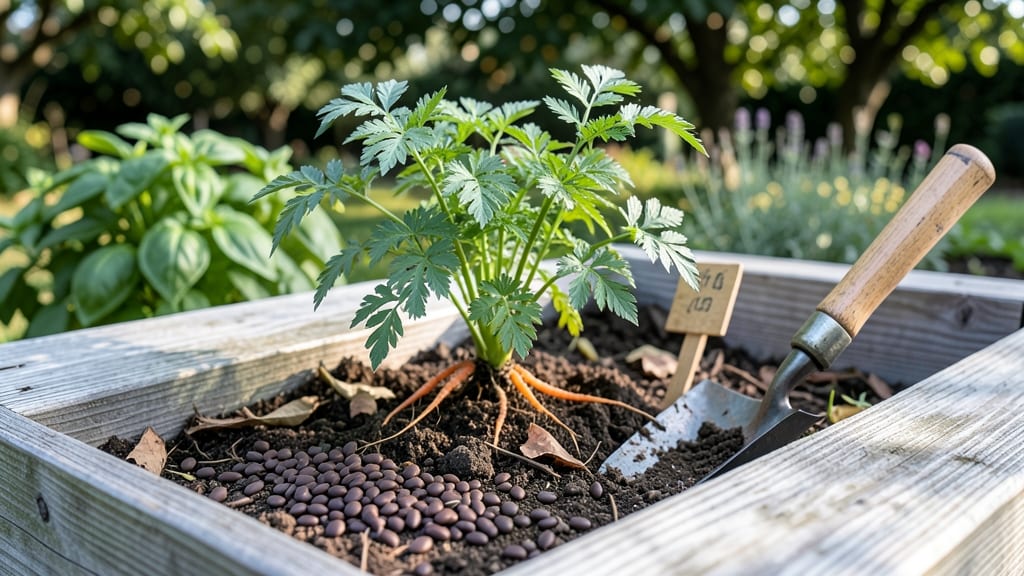
Timing your carrot planting in Zone 7a isn’t just about dropping seeds in the dirt—it’s the key to growing sweet, crisp 🥕 roots that actually taste like carrots instead of sad, woody sticks.
If you’ve ever pulled a carrot that’s forking like a lightning bolt or bolting early, you know how quickly things can go wrong when the timing’s off.
Most gardeners in 7a wait for that last frost date (usually around March 15), but the real magic happens when soil temps hit 50°F—that’s when those tiny seeds finally decide to sprout.
Plant too early, and you risk bolted greens or stunted growth; too late, and you’ll end up with tough, bitter roots by harvest time.
Here’s the good news: with two perfect windows—early spring and late summer—you can enjoy fresh carrots from June through November. I’ll break down the exact weeks to plant, how to avoid common pitfalls, and why succession planting keeps your kitchen stocked all season long.
Whether you’re a first-time gardener or a seasoned pro, nailing this timing will transform your harvest. Let’s get those 🥕 growing right!
Best planting weeks for carrots in Zone 7a: frost dates and soil temperature guide
Carrots thrive in Zone 7a when planted at the right time—typically 4–6 weeks before your last frost date. For most of Zone 7a, this means mid-March to early April. However, soil temperature matters just as much as calendar dates.
Carrot seeds need soil that’s at least 50°F (10°C) to germinate properly. If you plant too early, your seeds may rot in cold, wet soil.
In Zone 7a, the average last frost date falls around March 15, but this can vary by 5–10 days depending on your exact location. To avoid guesswork, use a soil thermometer to confirm your soil has warmed enough.
If it’s still below 50°F, wait another week or two. Patience here prevents wasted seeds and ensures strong germination.
For a continuous harvest, I recommend succession planting every 2–3 weeks after your initial sowing. This way, you’ll have fresh carrots ready to pull every 60–70 days.
For example, if you plant your first batch on March 20, follow up with batches on April 5, April 20, and May 5 to keep the harvest going through summer and early fall.
Here’s the golden rule for Zone 7a: Plant carrots when soil temps hit 50°F and nighttime temperatures stay above 40°F. This balance ensures your seeds sprout quickly and your young plants aren’t stressed by cold snaps.
If you’re unsure about your local frost dates, check the USDA Plant Hardiness Zone Map or consult your local cooperative extension service for precise data.
🌱 Carrot Planting Timeline for Zone 7a
| Stage | Action | Soil Temp |
|---|---|---|
| Early Spring Prep | Loosen soil, remove stones, add compost | 40–50°F |
| First Planting | Sow seeds 1/4" deep, 2" apart | 50°F+ |
| Succession Planting | Every 2–3 weeks until June | 50°F+ |
| Harvest Window | 60–70 days after sowing | N/A |
One common mistake in Zone 7a is planting carrots too late in spring. If you wait until May or June, your carrots may bolt (flower prematurely) due to the long daylight hours.
To avoid this, stick to early spring plantings and consider fall planting for a second harvest. Fall-sown carrots often produce sweeter roots because they mature in cooler weather.
If you’re growing short-day varieties like 'Danvers' or 'Nantes', they’re less likely to bolt in Zone 7a’s summer heat. However, even these varieties benefit from shade cloth during the hottest afternoons if temperatures climb above 85°F (29°C).
A simple 30% shade cloth can make a big difference in preventing bolting and keeping roots crisp.
For container gardening, use deep pots (at least 12 inches deep) filled with a light, sandy loam mix. Plant seeds in early April when soil temps are stable, and keep containers in a sunny spot.
Containers warm up faster than garden beds, so monitor soil temps closely—you might need to delay planting by a week or two compared to in-ground planting.
Finally, don’t forget that carrots are cool-season crops. While they tolerate light frosts, they’ll struggle if nighttime temps drop below 30°F (-1°C). If an unexpected late frost is forecasted, cover young seedlings with row fabric or a lightweight blanket to protect them.
With the right timing and a little extra care, you’ll enjoy a bountiful harvest of sweet, homegrown carrots all season long.
Best planting weeks for carrots in Zone 7a: frost dates and soil temperature guide
In Zone 7a, timing your carrot planting is all about beating the last frost date (typically around March 15) while ensuring soil temperatures stay above 50°F. Carrots are cool-season crops, so planting too early in cold soil can delay germination for weeks.
Aim for 4-6 weeks before your last frost—this usually lands in mid-March to early April for most Zone 7a gardeners.
Soil temperature is critical: carrots won’t sprout well below 50°F. Use a soil thermometer to confirm—if it’s cooler, wait another week. Direct sowing is the best method for carrots; they hate being transplanted because their delicate roots break easily.
Once seeds germinate (usually 10-21 days at ideal temps), thin seedlings to 2-3 inches apart to prevent competition.
🌱 Zone 7a Carrot Planting Summary
✅| Stage | Action | Notes |
|---|---|---|
| Soil Prep | Test pH (6.0–7.0), remove rocks | Loose soil = straight roots |
| Planting Window | March 15–April 15 | Soil >50°F, frost-free |
| Germination | 10–21 days | Keep soil moist (not soggy) |
| Thinning | 2–3 inches apart | Prevents forking, improves size |
| Harvest Time | 70–85 days | June–July for spring plantings |
For continuous harvests, use succession planting: sow new seeds every 2 weeks until mid-July. This ensures you’re never without fresh carrots. Just stop planting by August 1—summer heat causes carrots to bolt (flower prematurely), ruining their sweet flavor.
If you’re eager for a fall harvest, try late-summer plantings (July–August) with cold-hardy varieties like 'Danvers' or 'Nantes'.
Pro tip: Mulch with straw after thinning to retain moisture and suppress weeds. Carrots need consistent water (1 inch per week) but hate soggy soil, which causes rot.
Drip irrigation works best—it delivers water directly to roots without disturbing the soil surface. Avoid overhead watering, which can spread fungal diseases like Alternaria leaf spot.
If your soil stays cool into April, consider a mini greenhouse or row covers to warm it faster. Carrots grow best in 60–70°F soil, so even a few degrees can speed up germination. Monitor your garden’s microclimate—shady spots may need a later planting date to avoid cool, slow-growing conditions.
Remember, bolting (premature flowering) is your biggest enemy in Zone 7a. Long daylight hours in summer trigger it, so stick to spring and fall plantings for the crispiest roots.
With the right timing, you’ll enjoy harvests from June through November—just don’t let those roots wait too long in the ground!