
Plants
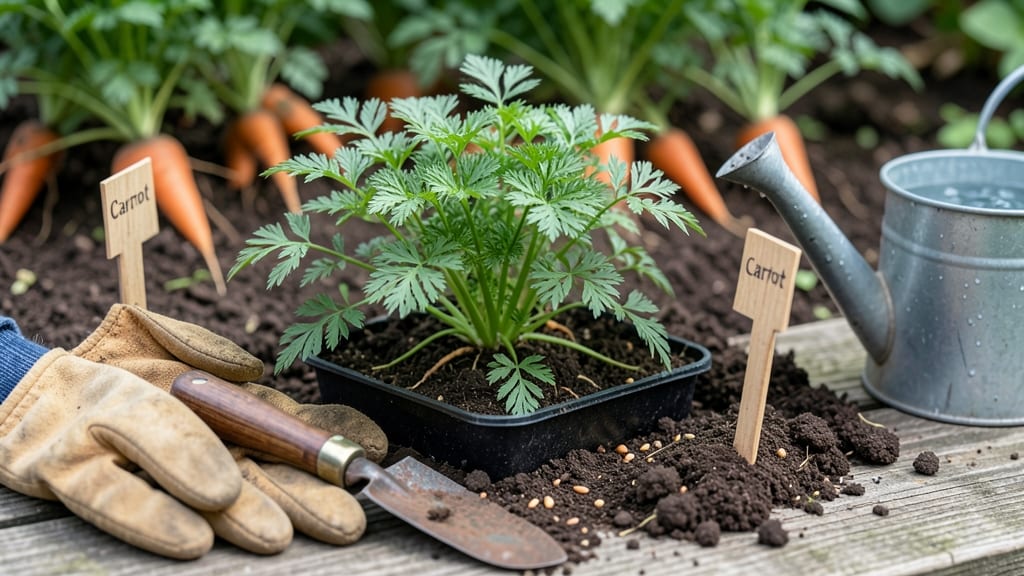
Timing your 🥕 carrot planting in Northern California is the secret to avoiding bitter, stringy roots and bolting before harvest. With the right schedule, you can enjoy crisp, sweet carrots from spring through fall—no matter if you're in Sacramento's hot valleys or San Francisco's cooler coastal zones.
Most gardeners in USDA zones 8a-9b focus on two key windows: late February through early April for spring harvests, and August through early September for fall crops. But here's the catch—your exact timing should shift based on microclimates, where coastal areas can plant 2-3 weeks later than inland spots.
Why does this matter? Carrots are finicky about temperature. Plant too early, and they'll bolt from the cold. Too late, and summer heat turns them woody. I'll show you how to read your local frost dates and adjust planting to lock in perfect growing conditions every time.
Let's dive into the exact calendar and soil prep tricks that'll make your 🥕 carrot garden thrive—no guesswork, just homegrown success. You'll learn which varieties perform best in your neck of the woods and how to keep pests at bay while you're at it.
Northern California carrot planting calendar by microclimate zone
Northern California’s diverse climate—from the cool coastal fog of San Francisco to the hot inland valleys of Sacramento—means your carrot planting schedule should vary by zone. The key is timing seeds when soil temperatures stay between 50°F and 85°F to avoid bolting (premature flowering).
Let’s break down the best planting windows for your area.
Start with the Bay Area, where mild winters and cool summers create a unique growing window. Inland areas like Sacramento have warmer soil earlier in spring, while coastal regions stay cooler longer. Understanding these differences ensures your carrots grow sweet and straight, not bitter and bolted.
🌱
Northern California Carrot Planting Windows
| Zone | Soil Temp Threshold | Spring Planting | Fall Planting | Harvest Window |
|---|---|---|---|---|
| Bay Area (Coastal) | 55°F - 75°F | Late March - Early May | Mid-August - Late September | June - July, Oct - Nov |
| Sacramento Valley (Inland) | 50°F - 80°F | Early March - Mid-April | Early August - Early September | May - June, Sept - Oct |
| Northern Coast (Eureka) | 50°F - 70°F | Late April - Early June | Late July - Mid-August | July - Aug, Oct - Nov |
| High Desert (Lake Tahoe) | 45°F - 75°F | Late May - Early July | Late July - Early Aug | Sept - Oct |
Note: Adjust for local frost dates—check your USDA zone for precision.
For the Bay Area, aim to plant carrots in late March for a spring harvest, as cooler coastal soils warm slowly. If you’re in Sacramento, you can start as early as early March when soil temperatures rise above 50°F.
In Eureka, wait until late April to avoid cold snaps that stunt growth.
Fall planting is equally critical. Inland areas like Sacramento can plant until early September, while coastal zones should finish by late September to avoid early frosts. High-altitude regions like Lake Tahoe have a shorter window—plant by early August for a fall harvest before winter sets in.
Always test your soil temperature with a soil thermometer before planting. Carrots need consistent moisture and well-draining soil to prevent forking. If your soil is too heavy, mix in compost or sand to improve texture.
💧
Pro tip: Use shade cloth in summer to protect seedlings from heat stress, which can trigger bolting. In coastal areas, watch for foggy mornings—carrots still need 6-8 hours of sun daily, even if temperatures are cooler.
Finally, remember that succession planting is your friend. Sow new seeds every 2-3 weeks in spring and fall to ensure a continuous harvest. This works especially well in container gardens or small urban plots where space is limited.
✅
How to adjust planting times for high-altitude and urban heat islands
Northern California’s microclimates can throw off even the best-laid carrot planting plans. In high-altitude areas like the Sierra foothills (e.g., Truckee or Placerville), cooler temps delay spring planting by 2-3 weeks—wait until mid-April to avoid frost damage.
Meanwhile, urban heat islands (think Oakland or Sacramento) can push planting earlier (as early as late February) since soil warms faster.
Urban gardeners also face asphalt heat that dries soil quickly. To combat this, I always mulch heavily with straw after sowing to retain moisture. For high-altitude spots, focus on cold-hardy varieties like ‘Purple Haze’ or ‘Early Nantes’, which tolerate 40°F soil temps better than standard types.
🌱
- 📅 Plant mid-April (2-3 weeks later)
- 🌱 Choose cold-tolerant varieties
- 💧 Water daily in dry spells
- 📅 Plant late February (2-3 weeks earlier)
- 🌿 Use shade cloth in peak summer
- 🌱 Mulch thickly to retain moisture
Another trick I swear by? Succession planting in 2-week intervals. In coastal areas like San Francisco, this ensures a steady harvest from May through October. For inland spots, stagger plantings in August and September to beat the late-summer heat that triggers bolting.
I’ve even seen container-grown carrots thrive on patios in Oakland by using self-watering pots filled with sandy loam.
Watch for soil temperature cues—carrot seeds need 50-60°F soil to germinate. In urban pockets, soil can hit 70°F by noon in June, so I test temps with a soil thermometer before planting. If it’s too hot, wait until late afternoon when temps drop 10°F.
For high-altitude gardens, I’ve had success with row covers in early spring to warm soil faster. Remove them once seedlings emerge to prevent overheating. And remember: pest pressure varies by zone—coastal areas deal with carrot rust flies, while inland gardens often battle aphids.
Rotate crops yearly to break pest cycles.
Finally, container gardening is a game-changer for urban spaces. Deep pots (at least 12 inches deep) let you grow longer varieties like ‘Danvers Half Long’ even on balconies. Just ensure pots have drainage holes and use a lightweight potting mix to prevent forking.
✂️