
Plants
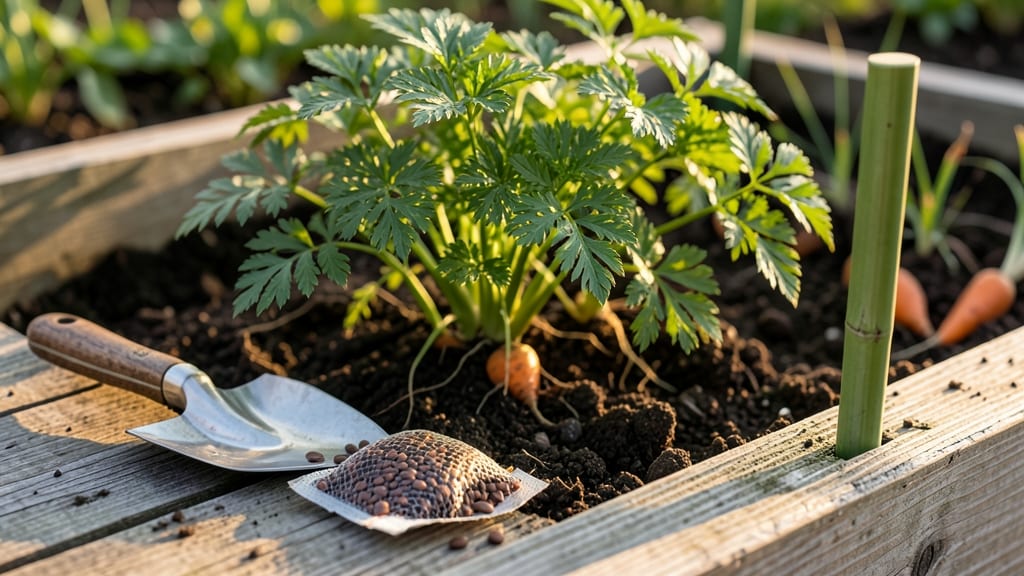
Timing your 🥕 carrot planting in North Carolina can mean the difference between sweet, crisp roots and bitter, woody failures. The key isn't just knowing when to plant—it's understanding how your local soil temperature behaves, especially when zones 7a-8b shift from spring's gentle warmth to summer's scorching heat.
Most gardeners in North Carolina rush to plant their 🥕 carrots as soon as the ground looks workable, but that's a recipe for disappointment. The real secret lies in waiting for soil temperatures to hit 50°F—the magic threshold where seeds finally sprout reliably.
Skip this step, and you'll end up with patchy germination or bolting plants that flower too soon.
What if I told you there's a 3-step system to pinpoint the perfect planting window for your specific microclimate? Whether you're in the Piedmont's rolling hills or the Coastal Plain's humid lowlands, these soil temperature triggers will help you avoid common mistakes and extend your harvest from May through December.
Ready to transform your garden from hit-or-miss to consistently delicious? Let's dive into the exact timing, tools, and troubleshooting tips that will give you 🥕 carrots so sweet, your neighbors will ask for seeds.
North Carolina carrot planting calendar by soil temperature Zones
North Carolina's diverse climate—from the Coastal Plain to the Mountains—means your carrot planting schedule should match your local soil temperature and last frost date. The key is planting when the ground warms to 50°F or above consistently, but not so late that summer's 85°F+ heat causes bolting.
Let's break down the perfect timing for each region.
For Coastal Plain gardeners (Zones 8a-8b), your growing season stretches longer thanks to milder winters. Start sowing carrot seeds as early as January under row covers, with ideal planting from February through April.
In the Piedmont (Zones 7a-7b), wait until mid-March when soil temps hit 55°F, and extend planting until early May.
The Mountains (Zones 6b-7a) have shorter seasons, so focus on late March to early April planting. Use cold frames or mulch to protect early sowings from late frosts, which can occur until mid-April in higher elevations like Asheville or Boone.
🌱
| Region | USDA Zone | Ideal Planting Window | Soil Temp Threshold | Last Frost Date | Key Tip |
|---|---|---|---|---|---|
| Coastal Plain | 8a-8b | February - April | 50°F+ consistently | Mid-February | Use row covers for Jan sowings |
| Piedmont | 7a-7b | Mid-March - Early May | 55°F+ consistently | Mid-March | Extend season with mulch |
| Mountains | 6b-7a | Late March - Early April | 50°F+ consistently | Mid-April | Cold frames protect early plants |
For all regions, fall planting is just as critical. Aim to sow carrots 10-12 weeks before your first frost, typically July through early August. Coastal areas can extend this to mid-August, while mountain zones should finish by late July to avoid frost damage.
Pro tip: Use a soil thermometer (or DIY with a meat thermometer) to confirm temps. Stick it 2 inches deep—the depth where carrot seeds germinate. If it reads below 50°F, wait a few days or use black plastic mulch to warm the soil faster.
🌡️
Don't overlook microclimates within your region. A south-facing slope warms up faster than a north-facing garden bed, potentially allowing a 2-week earlier planting. Similarly, urban heat islands in cities like Raleigh or Charlotte can push your planting window 1-2 weeks earlier than rural areas.
For container gardening, adjust your timing by 1-2 weeks earlier since pots warm up faster. Just ensure containers have drainage holes to prevent waterlogged soil, which carrots hate. Use lightweight potting mix with added perlite for optimal drainage.
🪴
3 Critical soil temperature triggers for carrot germination success
Carrot seeds need precise soil temperatures to germinate reliably. In North Carolina, soil temperatures below 50°F can stall germination completely, while consistent warmth between 60-70°F creates ideal conditions. Understanding these triggers helps you avoid common pitfalls like slow sprouting or uneven growth.
First, minimum germination temperature for carrots is 50°F. If your soil dips below this, seeds may rot before sprouting. Use a soil thermometer to check temperatures at planting depth (about 1 inch deep). Most garden centers sell these for under $10—well worth the investment for consistent results.
Next, the optimal germination range is 60-70°F. Within this zone, seeds typically sprout in 7-14 days. North Carolina’s Piedmont region often hits these temps by mid-March, while coastal areas may need to wait until late February. Mountain regions usually lag until April.
Finally, maximum safe soil temperature is 85°F. Above this, seeds may fail to germinate or produce bolting (flowering) instead of roots. Summer planting in NC’s heat requires shade cloth or late-afternoon watering to keep soil cool.
To test soil temperature without a thermometer, use the "finger test": Press your finger into the soil. If it feels cool but not freezing, temps are likely 50-60°F.
For 60-70°F, the soil should feel warm like a bath. If it’s too hot to touch, it’s above 85°F—time to delay planting.
Pro tip: Black plastic mulch can raise soil temps by 5-10°F, helping you plant earlier in spring or later in fall. Simply lay it down 1-2 weeks before planting to warm the soil naturally.
This trick works especially well in NC’s USDA Zone 7a areas where springs can be unpredictable.
Monitor these three temperature triggers to ensure your carrots germinate on time and grow into sweet, crisp roots. With the right timing, you’ll enjoy a continuous harvest from spring through fall—no grocery store comparison needed!