
Plants
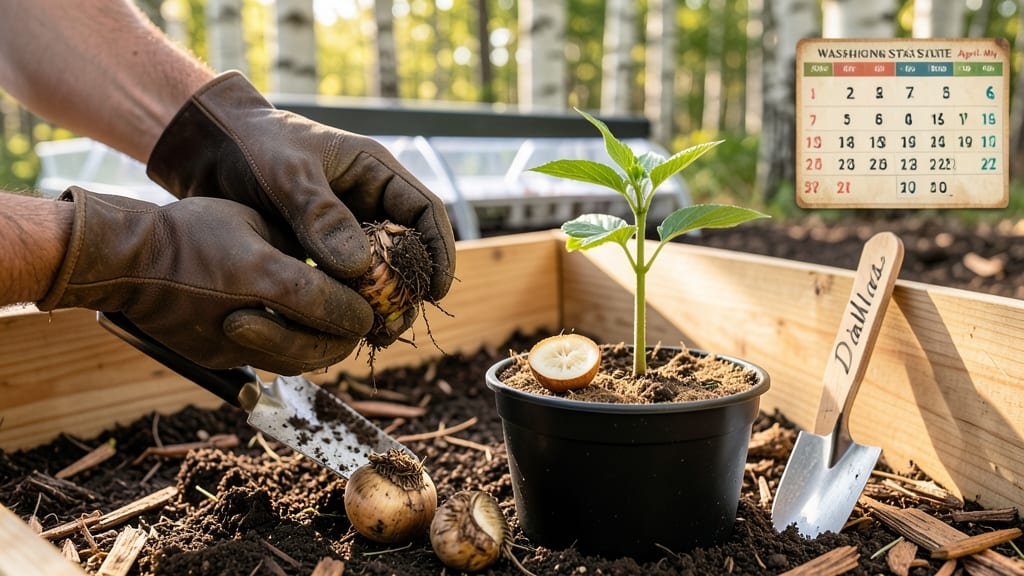
Washington State dahlias: ideal planting dates by microclimate zone
Washington State’s diverse climate means dahlias thrive in different regions—from the cooler coastal areas of Western WA to the warmer inland valleys of Eastern WA. Getting the timing right avoids bolting (premature flowering) while ensuring strong root establishment before summer heat arrives.
Let’s break down the perfect planting windows for your specific zone.
In Western WA (USDA Zones 7b-9a), including the Puget Sound region and Olympic Peninsula, the last frost typically occurs between mid-April and early May. This means you should wait until late May to plant tubers, as earlier planting risks frost damage or bolting.
For Eastern WA (Zones 6b-7a), like the Columbia Basin, frost dates arrive earlier (late April), allowing for mid-April to early May plantings.
Microclimates matter! Mountainous areas (e.g., Cascade foothills) may have 2-3 weeks later frost dates than valleys. Check your local USDA zone and historical frost data to fine-tune your schedule.
For example, Spokane (Zone 6b) can plant in early May, while Seattle (Zone 8a) should wait until late May.
🌱
| Zone & Region | USDA Zone | Last Frost Date | Ideal Planting Window | Soil Temp Goal |
|---|---|---|---|---|
| Western WA (Coastal/Puget Sound) | 8a-9a | Mid-April to early May | Late May to early June | 55-60°F |
| Eastern WA (Columbia Basin) | 6b-7a | Late April | Mid-April to early May | 50-55°F |
| Cascade Foothills | 6a-7b | Early May | Late May | 52-58°F |
| Olympic Peninsula | 8a-8b | Early May | Early to mid-June | 58-62°F |
If you’re unsure about your local frost dates, use the National Oceanic and Atmospheric Administration (NOAA) frost calculator or check with your local Cooperative Extension office. For example, Pullman (Zone 6b) can safely plant 2 weeks earlier than Bellingham (Zone 8a).
For late-blooming varieties (like ‘Café au Lait’ or ‘Thomas Edison’), you can push planting to early June in cooler zones, but expect slightly delayed blooms. Always prioritize soil warmth over calendar dates—50-60°F soil is the golden rule for tuber success.
Pro tip: Chit your tubers indoors 4-6 weeks before planting to jumpstart growth. Place them in a bright, cool spot (60-65°F) with the eyes facing up. This gives you a 2-3 week head start on root development once soil warms.
🌿
Once planted, mulch heavily (3-4 inches of straw or wood chips) to retain soil moisture and warmth. This is especially critical in Western WA’s cooler summers, where soil can stay chilly longer. Avoid mulching too early—wait until after planting to prevent rot.
Remember, dahlias are frost-sensitive but heat-tolerant. In Eastern WA’s hot summers, provide afternoon shade for dwarf varieties to prevent wilting. For coastal gardens, focus on well-draining soil to avoid soggy roots from frequent rain.
By aligning your planting with your microclimate’s last frost and soil temperature, you’ll enjoy vibrant dahlias from July through October—just in time for fall color! ☀️
Soil temperature triggers: how to test for dahlias (without risking bolting)
Washington’s cool spring soils often delay dahlia growth, but planting too early triggers bolting—those unsightly stems shooting up before blooms appear. The key is waiting until soil reaches 50-60°F at 6 inches deep, when tubers can sprout safely. Without testing, you risk stunted plants or wasted tubers.
I’ve learned the hard way: last year’s early May planting in Seattle’s Zone 8a resulted in leggy stems and few blooms. This year, I’m using soil thermometers and alternative tests to nail the perfect timing. Here’s exactly how I do it:
- 1 Use a soil thermometer—insert it 6 inches deep in a shady spot (soil warms slower there). Check daily after mid-April until it hits 50°F+ consistently for 3 days.
- 2 Try the potato test: Bury a raw potato 6 inches deep for 24 hours. If it sprouts, your soil is warm enough for dahlias. (Works even in Eastern WA’s hotter zones like Yakima.)
- 3 Warm cold soil naturally: Cover bare soil with black plastic mulch 2 weeks before planting. This raises temps by 10-15°F and speeds up tuber growth. Remove mulch right before planting to avoid overheating roots.
- 4 Plant in raised beds if your yard’s soil stays cold longer. Raised beds warm up 2-3 weeks earlier than in-ground soil, giving you a head start in Puget Sound’s chilly springs.
Pro tip: In Western WA’s coastal areas (like Olympia or Bellingham), soil temps lag behind inland zones. Start your soil warming efforts 2 weeks earlier than Eastern WA gardeners to sync with their planting dates.
Once your soil hits the 50-60°F sweet spot, dahlias will sprout in 7-14 days. I’ve seen ‘Café au Lait’ and ‘Galaxy’ varieties thrive when planted at this temp—just avoid the bolting trap of rushing it! 🌱
For late bloomers, consider chitting tubers indoors 4-6 weeks before your target planting date. This gives them a 2-week head start on growth, compensating for any delays in soil warming.
Just place tubers in a bright, 60-65°F spot with the “eyes” facing up—they’ll sprout faster than tubers left dormant. ✂️