
Companion Plants
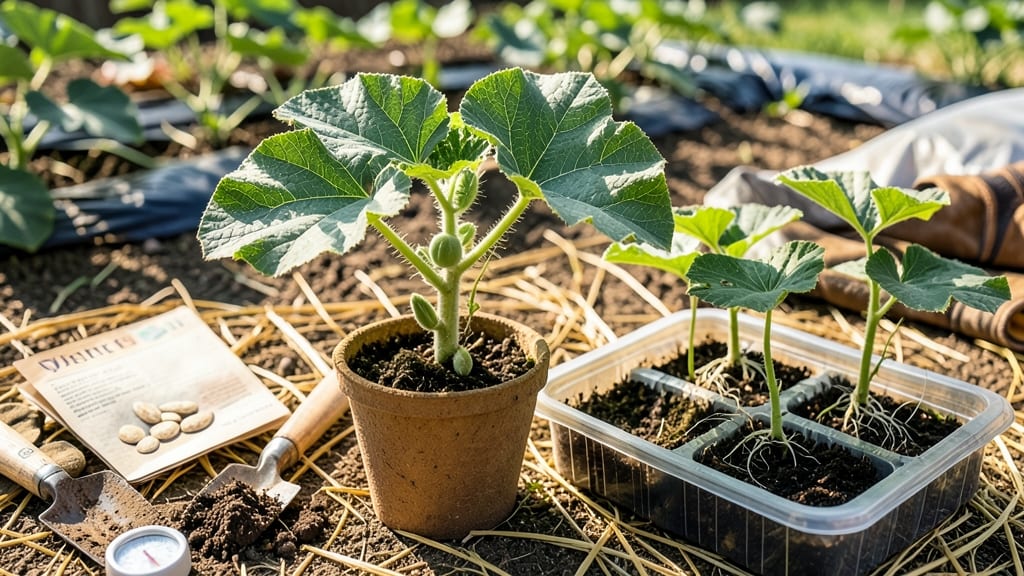
If you're wondering "when to plant cantaloupe in PA", timing is everything—because these sweet melons 🍈 won’t tolerate cold soil, and a late start means missed harvests. Pennsylvania’s 5b-7a zones demand patience: planting too soon risks frost damage, while waiting too long cuts your growing season short.
The key is waiting until soil temperatures hit at least 70°F—usually after April 15, once frost danger has passed. This window (April 15–May 15) gives cantaloupes the warm start they need to germinate quickly and thrive through summer’s heat.
I’ll walk you through how to check soil warmth, choose the right varieties for PA’s climate, and extend your harvest with simple tricks. Skip the guesswork and get ready for juicy, homegrown melons by mastering these fast-germination secrets.
From preparing your soil to protecting young plants, these steps ensure your cantaloupe vines spread strong and produce sweet fruit before fall’s chill sets in. Let’s make this your most successful growing season yet!
Pennsylvania’s ideal cantaloupe planting window: soil temperature secrets
Cantaloupes 🍈 are heat-loving plants that refuse to germinate in cold soil—even if air temperatures feel warm. In Pennsylvania’s USDA zones 5b-7a, the real magic happens when soil reaches 70°F or warmer.
This threshold typically arrives between April 15 and May 15, after the last frost date (usually April 15 in most regions). Planting before soil warms up risks rotten seeds or stunted seedlings, while waiting too long cuts your harvest short.
Why soil temperature matters more than air temperature: Cantaloupe seeds need consistent warmth to break dormancy. A 50°F soil might feel fine above ground, but seeds stay dormant.
Use a soil thermometer (just $10 at garden centers) to check depths of 2-3 inches—this is where roots will first grow. Most PA gardeners hit 70°F soil by late April in southern PA (like Philadelphia) and early May in northern PA (like Erie).
Here’s the PA-specific planting timeline to avoid common mistakes:
- Southern PA (zones 6b-7a): Plant April 20-May 5 (soil warms fastest here)
- Central PA (zones 5b-6a): Plant May 1-15 (wait for 70°F soil)
- Northern PA (zones 4b-5a): Plant May 15-30 (longer to warm up)
Pro tip: Use black plastic mulch to warm soil 10-15°F faster—this lets you plant 2-3 weeks earlier in PA’s cooler zones. Lay it down 2 weeks before planting to maximize heat absorption.
Pair this with a clear plastic tunnel for an extra 5°F boost on chilly mornings. Just remove the tunnel once vines appear to prevent overheating.
Watch for false springs—PA’s weather can swing wildly. If nighttime temps drop below 50°F after planting, cover seedlings with frost blankets (even a lightweight row cover works). Cantaloupes hate cold feet, so never plant before May 1 in northern PA unless you’re using season extenders.
The first frost usually hits mid-October, so aim to harvest by September 15 for sweet, ripe fruit.
For container growing in PA, use 5-gallon pots with black-painted surfaces to absorb heat. Place containers on patios or decks where they get full sun (6+ hours). Move pots to garages at night if temps dip below 55°F—this simple trick can add 2-3 extra weeks to your harvest.
Just remember: cantaloupes need space to sprawl, so choose large containers with trellis supports.
One common mistake PA gardeners make? Overwatering cold soil. Wet, chilly soil = rotten seeds. Instead, wait until soil is warm and dry at 2-inch depth before planting.
Water deeply but infrequently once seedlings emerge—aim for 1-2 inches per week during dry spells. Use a moisture meter to check soil moisture at root level (2-3 inches deep).
Final
How to extend your cantaloupe season in pennsylvania’s short growing zone
Pennsylvania’s short growing season (just 150 frost-free days) can feel like a race against time for cantaloupe lovers. But with the right tricks, you can stretch that season to harvest sweet melons even in cooler summers.
The key? Creating the 70-85°F sweet spot cantaloupes crave—even when Mother Nature isn’t cooperating.
Most gardeners in USDA zones 4-7 (like Pittsburgh, Harrisburg, or Scranton) rely on late spring starts after the last frost (typically April 15-May 15). But by using season-extending tools, you can push your planting window 2-3 weeks earlier or delay harvest until early fall.
Let’s break down the best methods to maximize your cantaloupe yield.
🌱 Top 5 Ways to Extend Your Cantaloupe Season in PA
- 🔥 Black plastic mulch: Warms soil 10-15°F faster than bare ground, hitting 70°F by mid-April in most PA zones.
- 🛡️ Row covers: Protects seedlings from late frosts (up to 28°F) and extends harvest by 2-3 weeks in fall.
- 🌡️ Cold frames: Adds 5-10°F to soil, letting you plant 3 weeks earlier or keep vines growing into October.
- 🌱 Succession planting: Stagger seeds every 10-14 days from mid-April to early June for a continuous harvest.
- ☀️ Reflective mulch: Bounces sunlight to vines, boosting growth by 20% in cloudy PA summers.
For early starts, focus on soil warming. Lay down black plastic mulch 2-3 weeks before planting—it’ll raise soil temps to 70°F+ by mid-April in most of PA. Pair this with a cold frame for an extra 5-10°F boost, letting you plant 3 weeks earlier than traditional schedules.
Just remove the frame once vines sprout to avoid overheating.
To delay harvest, use row covers (like Reemay fabric) over vines in early September. This traps heat and protects from light frosts, letting cantaloupes ripen 2-3 weeks later.
Just remove covers during the day to prevent humidity buildup, which invites powdery mildew. A fan on low (for 2 hours daily) improves airflow and fruit quality.
Don’t overlook companion planting to protect your cantaloupes. Pair them with basil or marigolds to repel pests like cucumber beetles, which can devastate vines. Corn or beans nearby also provide shade for roots, keeping soil cooler on 90°F+ days—a lifesaver during PA’s unpredictable heat waves.
Space cantaloupes 3-4 feet apart to improve airflow and reduce disease risk.
Finally, choose fast-maturing varieties (like ‘Athena’ or ‘Hale’s Best’) to ensure harvests before the first frost (mid-October in most of PA). These varieties ripen in 70-75 days, giving you a buffer for late starts.
If you’re feeling ambitious, try greenhouse growing—even a small hoop house can add 4-6 extra weeks to your season!
With these tricks, you’ll turn PA’s short growing season into a cantaloupe goldmine. Start experimenting this year—your taste buds (and neighbors) will thank you! 🍈