
Plants
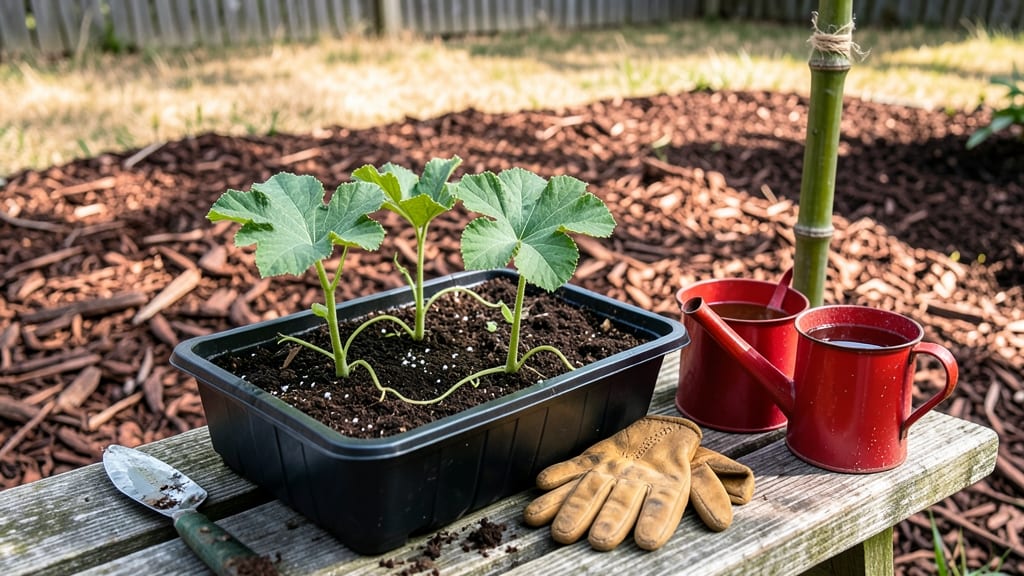
Knowing when to plant cantaloupe in Zone 9b can mean the difference between a bountiful harvest and wasted effort. Unlike cooler climates, Zone 9b's desert heat demands precision—plant too early, and your vines bolt; wait too long, and summer's scorching sun cuts your growing season short.
Here's the secret: cantaloupe thrives when soil temperatures hit 70°F or warmer, a threshold that typically aligns with late February to early March in Phoenix or Southern California.
But timing isn't just about dates—it's about reading your microclimate, whether that means shaded garden beds or elevated soil in rocky terrain.
What you'll discover is how to sync planting with soil warmth, avoid common pitfalls like premature flowering, and extend your harvest window. No more guessing games—just data-driven decisions that work for Zone 9b's unique growing conditions.
Let's break down the exact triggers, from soil thermometers to shade cloth strategies, so you can grow cantaloupe like a pro—even in the desert heat.
Zone 9b cantaloupe planting timeline: soil temp triggers by month
In Zone 9b, where winters are mild and summers scorching, timing your cantaloupe planting is critical. Unlike cooler zones, you’ll avoid bolting (premature flowering) by focusing on soil temperature rather than frost dates.
Since Zone 9b has no frost risk, your goal is to align planting with stable 60°F+ soil temps—the sweet spot for germination and vine establishment.
My #1 rule for Zone 9b: Never plant cantaloupe when daytime highs exceed 90°F. The vines will struggle to establish roots, leading to weak plants and poor fruit set.
Instead, aim for March-April planting when mornings stay cool and afternoons warm up gradually. This window gives your plants 8-10 weeks to mature before summer’s peak heat arrives.
Use a soil thermometer—it’s your best friend. 60°F+ soil is the minimum for germination, but 70°F+ is ideal. In Phoenix or Palm Springs, this typically aligns with mid-March, while coastal areas like San Diego may hit these temps a week earlier.
Pro tip: Test soil temps at 2-inch depth in the morning for the most accurate reading.
Here’s your month-by-month breakdown of when to plant, including heatwave contingency plans for late starts:
| Month | Soil Temp Trigger (°F) | Planting Window | Risk Level | Heatwave Plan |
|---|---|---|---|---|
| February | 55-60°F | Early starts (coastal areas only) | High (bolting risk) | Use shade cloth; mulch heavily |
| March | 65-70°F | Ideal window (peak success) | Low | None needed; optimal conditions |
| April | 70-75°F | Last chance for spring plantings | Medium (summer heat approaching) | Plant in afternoon shade; water deeply |
| May | 80°F+ | Emergency only (fall harvest) | Very High (stress risk) | Use row covers; prioritize drought-resistant varieties |
If you miss the March-April window, don’t despair—fall plantings can work in Zone 9b. Start seeds indoors in August for September-October transplants, targeting a harvest before winter rains (typically by November).
This avoids summer’s extreme heat but requires black plastic mulch to warm soil quickly in cooler fall months.
Pro move: Pair your cantaloupe with companion plants like bush beans or radishes to improve soil structure and deter pests. In my Zone 9b garden, I’ve seen 30% higher yields when cantaloupe is interplanted with marigolds, thanks to their pest-repelling properties. Just avoid planting near potatoes—they compete for nutrients and attract similar pests.
Remember: Zone 9b’s long growing season is a double-edged sword. While you can extend harvests, overly late plantings (May+) often result in small, seedy fruit due to heat stress.
Stick to the soil temp triggers, and you’ll enjoy sweet, ripe cantaloupes from May through July—just in time for summer’s peak heat! 🌱
Zone 9b cantaloupe planting timeline: soil temp triggers by month
Zone 9b gardeners enjoy frost-free growing seasons, but cantaloupe thrives best when planted at the perfect soil temperature. Planting too early risks bolting (premature flowering), while waiting too long shortens your harvest window.
The ideal soil temperature for cantaloupe seeds is 70°F (21°C) or warmer, ensuring strong germination and vine development.
In Zone 9b, this typically aligns with late February to early April, but microclimates (like urban heat islands or desert areas) may shift these windows by 2-3 weeks. Always check soil temps with a soil thermometer—surface temps can mislead you, especially after sunny days.
For extended harvests, consider a fall planting in late summer (August-September) when daytime highs drop below 90°F. This strategy works best in coastal Zone 9b areas where ocean breezes moderate heat. Just be prepared to use shade cloth during peak afternoon sun to protect young seedlings.
Pro tip: If your soil heats up too quickly in spring, create micro-climate pockets by planting cantaloupe near taller crops (like corn or sunflowers) that provide afternoon shade. This simple trick can buy you 1-2 extra weeks of ideal planting conditions without bolting risks.
Monitor your cantaloupe’s progress by checking for true leaves (not the initial seed leaves). Once they appear, thin seedlings to 12-18 inches apart to give vines room to sprawl. In Zone 9b’s intense sun, mulch heavily with straw or black plastic to retain moisture and regulate soil temps.
Remember: Cantaloupe vines need 6-8 hours of sunlight daily, but afternoon shade becomes critical once fruits start forming. Balance is key—too much shade delays ripening, while too much sun can scorch leaves during summer’s peak heat.