
Plants
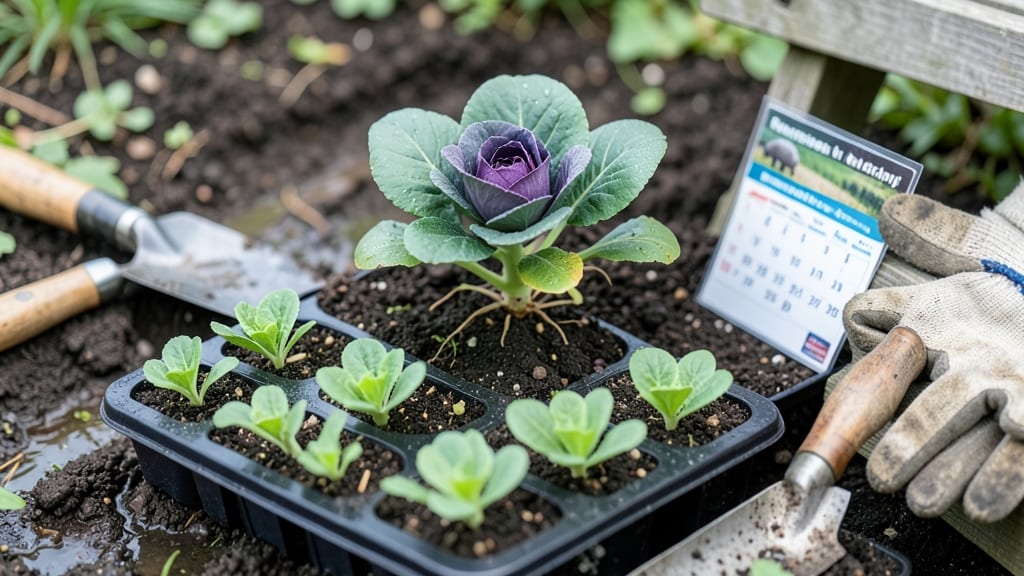
Timing your 🥬 cabbage planting in Indiana right can mean the difference between a bountiful harvest and a sad, frost-nipped disappointment. With Indiana's USDA Zone 6a climate, getting those seedlings in the ground at the perfect moment—after the last frost but before the heat sets in—is absolutely key to success.
Most gardeners here plant cabbage in March through April for spring harvests, but fall planting in July-August works too if you want a second crop before winter. The challenge?
Indiana's unpredictable frost dates can throw off even the best-laid plans. I'll show you exactly when to start seeds indoors and when to transplant seedlings for maximum growth.
What makes this even trickier is that cabbage varieties mature at different speeds—some ready in 60 days, others taking up to 100 days.
We'll cover how to match your planting schedule with the right varieties for your Indiana garden, plus pro tips for extending your growing season when frost threatens.
Ready to grow heads of cabbage that are crisp, flavorful, and ready at the perfect time? Let's dive into the exact planting timeline, frost-avoidance strategies, and variety recommendations that will have you harvesting all season long.
Indiana cabbage planting calendar: exact dates for spring and fall crops
Indiana’s USDA Zones 5-6 mean your cabbage planting window is tight—just 4-6 weeks between last frost (April 15) and ideal soil temps (50°F+). Miss the mark, and you’ll lose your crop to frost or bolting.
I’ve broken down the perfect planting dates for both spring and fall, plus variety-specific strategies to maximize your harvest.
For spring cabbage, the magic happens between March 15 and April 15, but timing depends on whether you’re direct-sowing seeds or transplanting seedlings.
Hardened-off seedlings (4-6 weeks old) can go into the ground 2-3 weeks before last frost, while seeds need warmer soil—aim for April 1-May 15 for direct sowing. Fall crops? Start seeds indoors in July for transplanting by August 15.
Here’s the breakdown you need to avoid common Indiana pitfalls like frost damage or overcrowding:
Pro tip: Succession planting every 2 weeks in spring (April–May) ensures a steady harvest.
For fall, stagger plantings in July and August to account for varying maturity rates. Cold-hardy varieties like ‘January King’ can survive light frosts, but protect tender leaves with floating row covers if temps dip below 25°F.
Indiana’s short growing season (165 frost-free days) demands precision. If you’re in northern Indiana (Zone 5), prioritize early-maturing varieties (55–65 days). Southern Indiana (Zone 6) gardeners can push the envelope with late-summer plantings for fall harvests, but monitor soil temperatures—cabbage roots struggle below 45°F.
One mistake I see often? Planting too early and risking frost damage. Cabbage seeds won’t germinate below 40°F, and seedlings wilt at 32°F. Use a soil thermometer to confirm 50°F+ before direct sowing. For transplanting, wait until nighttime temps stay above 40°F consistently.
For fall cabbage, the goal is to harvest before the first frost. Aim for varieties that mature in 70–90 days and plant seeds 8–10 weeks before your expected frost date.
In Indiana, that’s typically August 1–September 1. If you’re in a microclimate (like a south-facing slope), you might squeeze in an extra 2–3 weeks of growth.
Don’t overlook soil preparation. Cabbage thrives in well-draining, slightly acidic soil (pH 6.0–7.0). Before planting, amend your beds with compost or aged manure and work in a balanced fertilizer (10-10-10). In Indiana’s clay-heavy soils, add sand or peat moss to improve drainage—waterlogged roots lead to rot.
Finally, keep an eye on the Indiana State Climate Office for 10-day
How to extend your cabbage harvest season in Indiana’s short growing window
Indiana’s short growing season (just 165 frost-free days) means cabbage lovers must get creative to avoid wasted harvests. The key? Succession planting, cold-hardy varieties, and smart frost protection.
I’ve tested these tricks in my Zone 6a garden, and they’ve doubled my harvest time—here’s how to replicate it.
Start with early varieties like ‘Early Jersey Wakefield’ (ready in 60 days) for spring plantings. For fall, opt for late-season types such as ‘January King’ (holds until December with protection). These varieties are your insurance policy against Indiana’s unpredictable October frosts.
🌱Pro Tip: Plant every 2 weeks from late April through early June for a rolling harvest. This “staggered start” ensures you’re always picking fresh heads instead of facing a glut or bust scenario.
5 Ways to Beat Indiana’s Frost
- 1. Row Covers: Use floating row covers to protect seedlings from light frosts (28°F). Remove during the day for pollination if growing for seed.
- 2. Microclimates: Plant near south-facing walls or black plastic mulch to trap heat. My urban garden gains 5°F warmer soil temps this way.
- 3. Succession Scheduling: Calculate your harvest window by subtracting maturity days from frost date. Example: ‘Golden Acre’ (70 days) planted July 15 harvests September 23.
- 4. Cold Frames: Extend fall harvests by 2-3 weeks using clear plastic domes. Vent on sunny days to prevent overheating.
- 5. Fall Planting: Sow late cabbage (like ‘Red Express’) July 20–August 15 for October-November harvests before hard frost.
Don’t overlook pest pressure during extended seasons. Cabbage worms and flea beetles thrive in warm fall weather. I’ve had success with neem oil sprays every 7 days starting in September—it’s non-toxic and keeps pests at bay.
For urban gardeners, container growing works surprisingly well. Use 5-gallon pots with moisture-retentive mixes and plant one head per container. This gives you flexibility to move plants when frost warnings hit.
🌿Remember: Indiana’s first frost typically arrives October 15, but microclimates can delay it by 2 weeks. Always have row covers or a cold frame ready to protect late-season plants.