
Plants
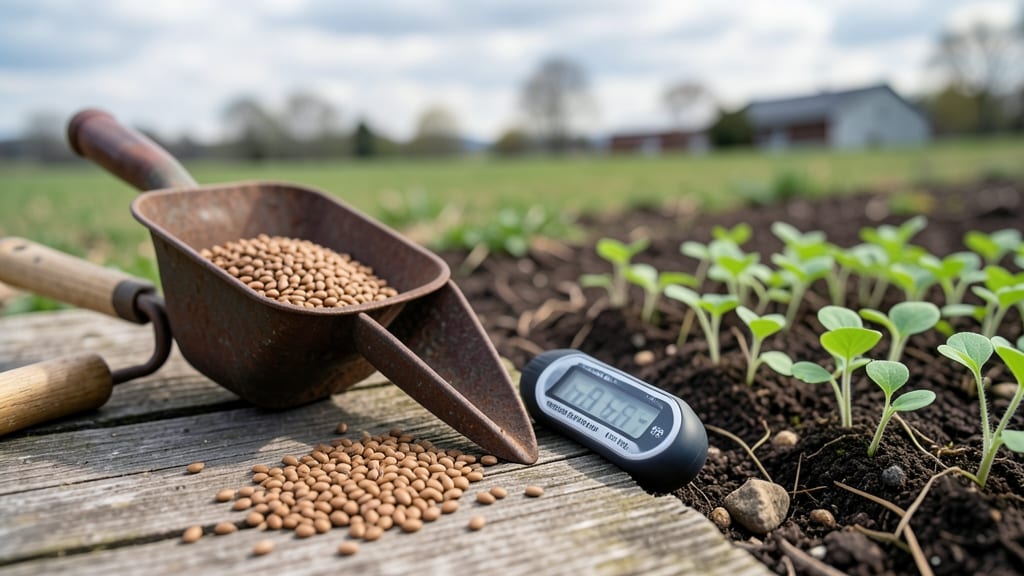
Timing your alfalfa planting in NC could mean the difference between a thriving crop and wasted seeds—especially since North Carolina’s varied USDA zones (6a-8b) create such different conditions.
Whether you're a farmer or a homesteader, getting those seeds in the ground at the right moment is the key to strong germination and healthy growth.
Most NC growers plant alfalfa in late winter to early spring, but the exact window depends on your last frost date and local microclimates. In warmer zones like 8a-8b, you might start as early as February, while cooler areas like 6a-7a should wait until March or even April.
Missing this window could leave your plants vulnerable to frost damage or poor establishment.
What makes alfalfa unique is its resilience once established, but those first few weeks are critical. We’ll break down the best planting strategies for each zone, including soil temperature tips and how to adjust for early-spring rains.
By the end, you’ll know exactly when to plant for maximum yield potential in your part of North Carolina.
The secret isn’t just about the calendar—it’s about reading your local climate. From frost-free deadlines to soil prep, we’ll cover everything you need to know to make your alfalfa planting season a success. Let’s get those seeds in the ground at the perfect time!
North Carolina alfalfa planting deadlines by USDA Zone (7a-8b)
Alfalfa thrives in North Carolina’s USDA zones 7a-8b, but the exact planting window depends on your specific zone and last frost date. In Zone 7a, where frost lingers until mid-April, aim to plant between February 20 and March 15 for optimal germination.
For Zone 8b, with milder winters, you can start as early as late January and extend planting until April 1.
Spring planting is ideal for alfalfa because it gives seedlings enough time to establish roots before summer heat. Fall planting is not recommended in NC due to the risk of bolting before winter dormancy. Always check your local frost dates—NC State Extension provides updated forecasts for your county.
Soil temperature is another critical factor. Alfalfa seeds germinate best when soil reaches 50°F (10°C). In Zone 7a, this typically happens by early March, while Zone 8b soils warm up 2-3 weeks earlier. Use a soil thermometer to confirm before planting.
Here’s a quick reference for your zone:
| USDA Zone | Last Frost Date | Ideal Planting Window | Soil Temp for Germination |
|---|---|---|---|
| 7a | March 15 - April 1 | February 20 - March 15 | 50°F (10°C) |
| 7b | March 1 - March 15 | February 1 - March 10 | 50°F (10°C) |
| 8a | February 15 - March 1 | January 20 - February 28 | 50°F (10°C) |
| 8b | January 15 - February 15 | Late January - April 1 | 50°F (10°C) |
For Zone 7a growers, I recommend planting early March to avoid late frost damage. Use black plastic mulch to warm the soil faster if you plant in February.
In Zone 8b, you can stretch planting into early April, but avoid planting after April 15—summer heat stress reduces germination rates.
Alfalfa seeds should be planted ¼ inch deep in well-drained soil with a pH of 6.5-7.5. Use a seed drill or broadcast seeds evenly for large fields. In home gardens, a hand-held seeder works well for rows spaced 18 inches apart.
After planting, keep the soil moist but not waterlogged until seedlings emerge, which typically takes 7-14 days at optimal soil temperatures. In dry NC summers, irrigation is critical during the first 60 days to prevent seedling mortality.
Pro tip: Mix alfalfa seeds with sand (1:1 ratio) for even distribution and reduce clumping. This is especially useful in Zone 8b’s humid climate, where seeds can mat together before germination.
Always test your soil’s nitrogen levels before planting. Alfalfa is a nitrogen-fixing crop, but young plants benefit from light fertilization (10-20-10 NPK) at planting to boost early growth. Avoid over-fertilizing—too much nitrogen promotes leafy growth over roots, weakening the plant’s drought resistance.
🌱
North Carolina alfalfa planting deadlines by USDA Zone (7a-8b)
North Carolina spans USDA Zones 7a through 8b, and each zone has its own ideal planting window for alfalfa. Since alfalfa thrives in warm soil and can't handle frost, timing is everything.
Planting too early risks cold damage, while waiting too long may lead to bolting or poor establishment before summer heat sets in.
For Zone 7a (western NC mountains), aim to plant between March 15 and April 15—after the last expected frost date. In Zone 8b (coastal regions), you can start as early as February 20 or push to May 1 for a fall crop.
The key is soil temperatures above 50°F for consistent germination.
| Zone | Last Frost Date | Ideal Planting Window | Soil Temp Requirement |
|---|---|---|---|
| 7a | March 15 | March 20 - April 15 | 50°F+ |
| 7b | March 1 | March 10 - April 10 | 50°F+ |
| 8a | February 15 | February 20 - March 30 | 50°F+ |
| 8b | January 31 | February 1 - May 1 | 50°F+ |
Fall planting is possible in Zone 8a and 8b only, with seeds sown between August 15 and September 15. This method leverages NC's mild winters, but germination is slower in cooler soil. Always test soil temperatures with a soil thermometer—alfalfa seeds won’t sprout below 45°F.
Pro tip: In Zone 7a, use black plastic mulch to warm the soil faster. For coastal areas (Zone 8b), prioritize drainage—alfalfa hates soggy roots. Adjust your calendar based on local microclimates, like mountain valleys staying cooler longer than piedmont regions.
Missed the spring window? Don’t panic—alfalfa can regenerate from roots if planted in early summer, though yields may be lower. Just ensure consistent moisture during establishment to prevent stress.
For maximum yields, align planting with your first hay harvest (typically June-July). This gives plants enough time to reach 8-12 inches before cutting. Use a planting calendar to track progress and adjust for weather delays.