
Planting
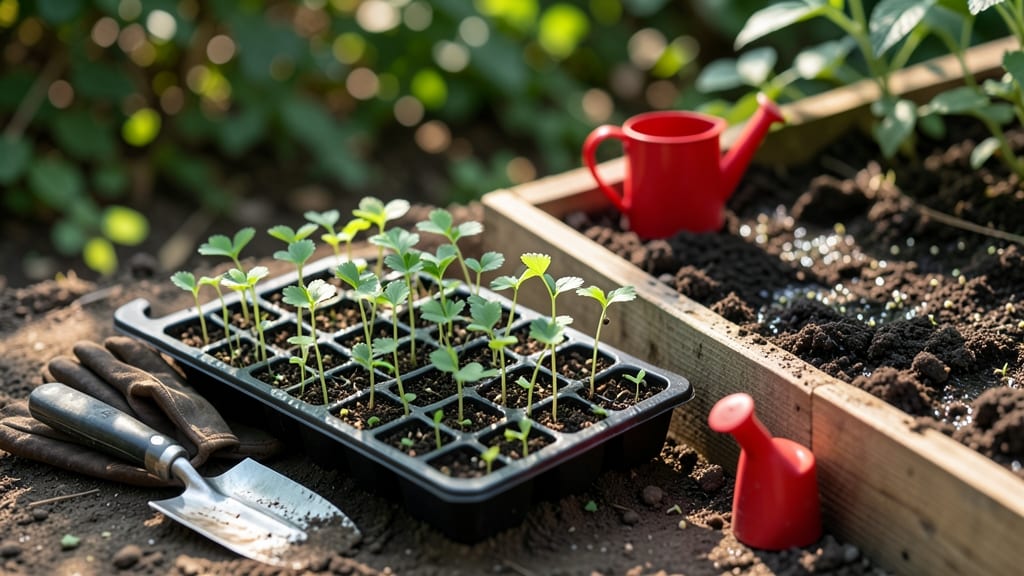
Timing your alfalfa planting in the fall isn't just about avoiding frost—it's about giving this hardy 🌱 perennial the best shot at establishing deep roots before winter sets in. Plant too early, and you risk weak seedlings; too late, and frost can damage tender sprouts before they gain strength.
The sweet spot? 4-6 weeks before your first frost, when soil temps stay above 50°F for consistent germination.
In USDA Zone 6a, that means aiming for late August to early September—just like I do in my own garden. This window ensures your alfalfa has time to develop a robust root system before ground freezes, making it far more resilient when spring arrives.
But don't assume one-size-fits-all works here; regional microclimates can shift that ideal window by 2-3 weeks, so check your local frost dates.
What makes fall planting particularly rewarding is how it sets up your alfalfa for long-term success. Unlike annuals, this nitrogen-fixing powerhouse builds soil fertility over years, but only if it survives its first winter. The key isn't just when you plant—it's how you prep the soil beforehand.
We'll cover those critical soil secrets next, including pH adjustments and drainage tricks that make all the difference between thriving plants and winter casualties.
If you've ever wondered why some gardeners swear by fall-planted alfalfa while others struggle, the answer lies in these small but mighty details. Let me walk you through exactly what to do—and what to avoid—to give your alfalfa the strongest possible start. Your future forage depends on it.
Optimal fall planting windows for alfalfa by USDA hardiness Zones
Planting alfalfa in the fall is a game-changer for winter-hardy forage, but timing varies dramatically by USDA zone. In Zones 3-5, aim for late August to mid-September—this gives seedlings 4-6 weeks to establish roots before hard frosts hit.
Warmer zones (Zones 6-10) can extend planting until mid-October, but avoid planting too close to first frost dates.
The key metric isn’t just days until frost—it’s soil temperature. Alfalfa seeds need 50°F+ soil to germinate, so wait until mid-September in cold zones or early October in warm zones. Use a soil thermometer to confirm—planting too early in cold soil risks rot or poor germination.
In the Northern Hemisphere, late summer (August) is ideal for Zone 3-5 gardeners, while Zone 7-10 can push planting into early October. Southern Hemisphere gardeners should reverse this: March-April for Zones 3-5 (their late summer/early fall).
Here’s the critical rule: Plant 4-6 weeks before your first frost date. For example, if frost arrives November 1, plant by September 15. This window ensures root establishment before winter dormancy.
Regional adjustments matter. In Pacific Northwest (Zone 7-8), September 1-15 is perfect, while Deep South (Zone 9-10) can plant until October 31. Always check your local frost calendar—online tools like Almanac.com provide zone-specific data.
One common mistake? Planting too late in fall. Seedlings planted after October 1 in Zones 3-6 often fail to overwinter. The 6-week rule isn’t flexible—it’s your buffer against frost damage.
For Zone 3-5 gardeners, late August is your sweet spot. In Zone 6-7, don’t wait past October 1—this is when frost sensitivity spikes. Southern growers (Zone 8-10) have more flexibility but must avoid planting after October 15 to prevent fungal diseases from winter moisture.
Pro tip: Use black plastic mulch in Zones 3-5 to warm soil faster and extend the planting window by 1-2 weeks. Remove it once frost risk passes to prevent overheating.
Remember, alfalfa’s perennial nature means fall planting pays off for years. A well-timed fall crop establishes deep roots that outperform spring plantings by 30-50% in biomass production.
If you’re in doubt about your zone, check the USDA Plant Hardiness Map and add 2-3 weeks to your first frost date for a safer planting window. 🌱
Soil preparation secrets to prevent winter kill in alfalfa
Preparing your soil for fall alfalfa planting isn’t just about throwing seeds into the ground. It’s about creating a frost-proof foundation that keeps roots alive through freeze-thaw cycles. Start by testing your soil’s pH level—alfalfa thrives in 6.5 to 7.5 range.
If your soil is too acidic, add lime 2-3 months before planting to let it adjust naturally.
Next, focus on organic matter—aim for at least 3-5% compost mixed into the top 6-8 inches of soil. This improves drainage while retaining moisture, which is critical when winter rains arrive. Avoid fresh manure, as it can burn young alfalfa roots and attract pests.
Drainage is your next priority. Alfalfa roots hate soggy soil, so amend heavy clay with coarse sand or perlite if needed. For raised beds, ensure they’re at least 12 inches deep to prevent frost heave—when soil expands and contracts, lifting roots out of the ground.