
Plants
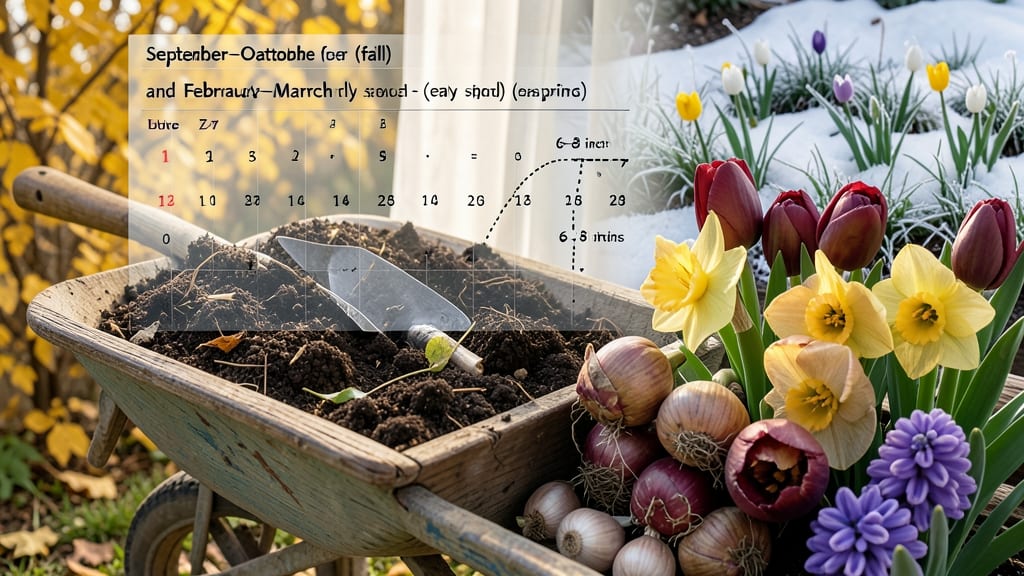
Figuring out when to plant bulbs in Utah can feel like solving a puzzle—especially with frost dates that shift from valley to mountain. One wrong move, and your 🌷 spring flowering bulbs might freeze before they even sprout, leaving you staring at bare soil in April.
But here’s the good news: Utah’s diverse climate—from high-desert heat to alpine chill—means there’s a perfect window for planting, whether you’re in USDA Zone 5 or 7.
The key? Timing it 6-8 weeks before the first frost (that’s September-October for fall plantings) or waiting until after the last frost in March-April for spring.
In this guide, I’ll break down the exact months for your region, which bulbs thrive in Utah’s dry soil, and how to protect them from unpredictable frost. No more guesswork—just vibrant blooms come spring.
Ready to turn your garden into a burst of color without the stress? Let’s get those bulbs in the ground the right way.
Utah’s frost zones and ideal bulb planting months by region
Utah’s dramatic elevation shifts—from St. George’s low desert (Zone 8) to Park City’s alpine slopes (Zone 5)—create wildly different frost timelines. Planting bulbs at the wrong time can mean frost damage or missed blooms, but knowing your zone’s last frost date and soil temperature turns guesswork into success.
Most Utah gardeners fall into USDA Zones 5-7, where fall planting (September-October) is ideal for spring blooms. However, high-elevation areas like Ogden (Zone 6) freeze earlier than Salt Lake City (Zone 6b), while Southern Utah (Zone 8) allows later fall or even winter planting for some varieties.
Key rule: Plant bulbs 6-8 weeks before ground freezes (typically mid-September to early October in most of Utah). For spring planting, wait until after last frost (mid-April), but avoid late spring plantings—they rarely bloom the same year.
For high-altitude gardens (above 7,000 ft), like those in Park City or Logan, plant bulbs earlier in September—soil freezes faster, and shorter daylight hours delay root growth.
In contrast, Southern Utah’s Zone 8 allows winter planting of hardy bulbs like daffodils or grape hyacinths as late as December.
Pro tip: Use soil thermometers to confirm 50–60°F soil temps before planting—this ensures roots establish before winter. In dry years, water deeply after planting to encourage root growth before the first frost.
Utah’s microclimates mean your neighbor’s success might not apply to you. For example, Provo’s urban heat islands can delay frost by 1–2 weeks compared to rural areas. Check local weather stations or Utah State University Extension for real-time updates.
Evergreen bulbs like alliums or fritillaries tolerate later planting (even November in mild zones), but tulips and hyacinths need chilling time—plant them by October 15 in most of Utah to avoid floppy, weak stems.
Remember: Bulbs planted in fall need 6–8 weeks of root growth before winter. If you miss the fall window, spring planting still works for hardy varieties, but blooms may be smaller or delayed.
🌱 For container gardening in Utah, plant bulbs in late September and move pots to protected spots (garages, sheds) before 25°F temps to prevent freezing.
Best bulbs to plant in Utah’s climate (cold-hardy varieties that thrive)
Utah’s dry climate and variable frost dates demand bulbs that thrive with minimal fuss. I’ve narrowed down the top 5 cold-hardy varieties that flourish in Utah’s USDA Zones 5-7, from drought-resistant daffodils to vibrant alliums that attract pollinators. These picks need less water and more resilience than fussy hybrids.
Start with daffodils (Narcissus), Utah’s #1 top performer. Their yellow blooms appear early—often by March—and deer typically avoid them. Varieties like ‘Tête-à-Tête’ stay compact (6 inches tall) for rock gardens, while ‘Ice Follies’ tolerates Utah’s alkaline soil better than most.
Tulips (Tulipa) also shine in Utah, but choose late-blooming varieties like ‘Darwin Hybrid’ (e.g., ‘Apeldoorn’) to avoid frost damage. Plant them in full sun and well-draining soil—Utah’s clay-heavy soils can cause rot. For longer vase life, opt for ‘Parrot tulips’ like ‘Black Parrot’, which bloom 2-3 weeks later than classic tulips.
For drought-tolerant options, alliums are my secret weapon. Their spherical purple blooms (like ‘Purple Sensation’) thrive in Utah’s low humidity and poor soil.
Plant them in fall for June blooms, and they’ll self-seed year after year. Crocuses (e.g., ‘Tommy’) push through snow for February blooms, while fritillaries add checkered elegance to late spring gardens.
If you love fragrance, hyacinths (like ‘Annette’) pack a punch—but they need consistent moisture. Amend Utah’s alkaline soil with compost and mulch heavily to retain spring rains. For native Utah bulbs, try wild onions (Allium schoenoprasum), which naturalize beautifully in xeric landscapes.
Pro tip: Layer bulbs for continuous color. Plant crocuses in fall, tulips in late fall, and daffodils in early winter so blooms stretch from February to June. Utah’s short growing season demands smart layering!