
Planting
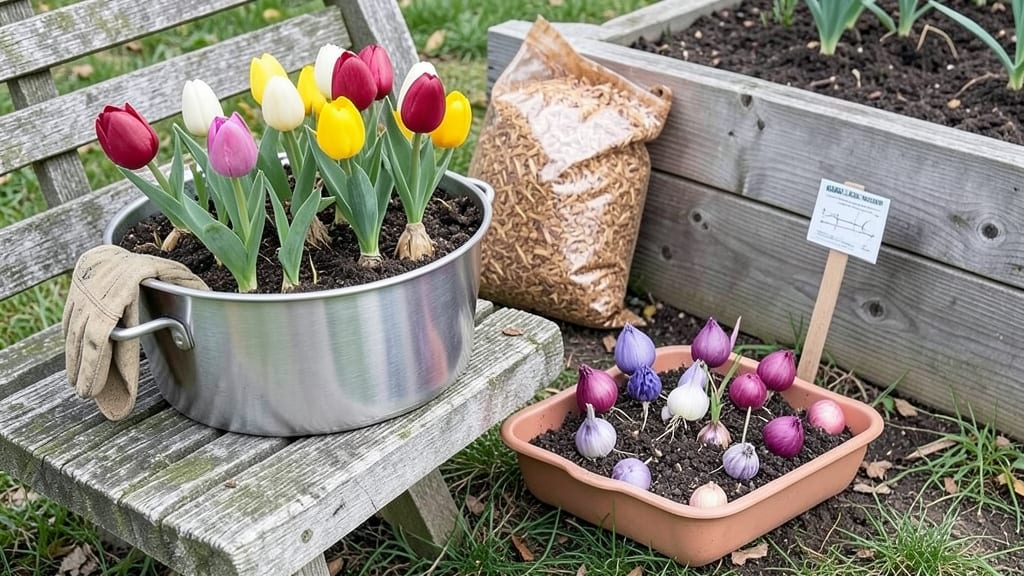
Timing your spring bulb planting wrong could mean bolting flowers or wasted bulbs—but there’s a precise science behind it. The ideal window isn’t just about the calendar; it’s about soil temperatures hitting 50–60°F consistently, a detail most gardeners overlook.
In Zone 6a, where many gardeners live, the perfect moment arrives between March and early April, just after the last frost. Planting too early risks premature blooming, while waiting too long can stunt growth. I’ll show you how to check soil temps and adjust for your exact location.
Whether you’re working with classic 🌷 tulips or hardier varieties like alliums, this guide cuts through the guesswork. You’ll learn when to plant for vibrant blooms, how to protect bulbs from heat, and even which late-spring options still thrive.
Ready to transform your garden? Let’s dive into the exact steps to ensure your bulbs flourish—no wasted effort, just stunning results.
Spring bulb planting timeline by exact soil temperature (not calendar date)
Most gardeners focus on calendar dates for spring bulb planting, but the real magic happens when soil temperatures hit 50–60°F. This window ensures bulbs won’t bolt (shoot prematurely) or rot in warmer ground.
For example, tulips and daffodils planted too early in cold soil may fail to root, while late planting risks bolting before frost.
Your USDA hardiness zone matters too. In Zones 3–5, aim for planting when daytime highs reach 40–50°F—often late March to early April. Warmer zones (6–10) can wait until April 15–May 1, but only if soil stays below 60°F.
Here’s the key: Soil temperature trumps air temperature. A soil thermometer ($10 at garden centers) is your best tool. Stick it 4–6 inches deep (the depth most bulbs need) and monitor daily. Once it consistently reads 50–60°F, it’s go time for most spring bulbs.
Bolting risk spikes when soil exceeds 65°F. If your thermometer hits 60°F+ before April 15, opt for shade-tolerant bulbs like grape hyacinths or rain lilies, which handle warmer conditions better. These varieties can even be planted in May in warm climates.
🌱 Spring Bulb Planting Guide by Soil Temp & Zone
| Bulb Type | Ideal Soil Temp | USDA Zones | Planting Window | Bolting Risk |
|---|---|---|---|---|
| Tulips | 50–55°F | 3–8 | Late March–Early April | High if >60°F |
| Daffodils | 50–60°F | 3–10 | Early April–Mid-May | Moderate if >65°F |
| Hyacinths | 55–60°F | 4–9 | Mid-April–Early May | Low if mulched |
| Alliums | 50–65°F | 5–10 | Late April–June | None (heat-tolerant) |
| Grape Hyacinths | 60–65°F | 6–10 | May–June | None |
🌡️ Pro Tip: Mulch with 2–3 inches of straw to slow soil warming by 5–10°F.
If you’re in Zone 10 or warmer, traditional spring bulbs may never thrive. Instead, focus on tropical bulbs like rain lilies or spider lilies, which handle 70°F+ soil. Plant these in late spring (May–June) after the last frost risk has passed.
For container gardens, use well-draining pots with a soil thermometer inserted into the root zone. Move containers to shadier spots if soil temps exceed 65°F for more than a week. Terracotta pots cool faster than plastic, making them ideal for late spring plantings.
Remember: Depth matters. Plant bulbs 2–3 times their height deep (e.g., a 2-inch tulip bulb goes 6 inches deep). Deeper planting in warm soils prevents bolting by keeping roots cooler. Add a
How to test soil temperature and adjust planting for late spring bulbs
Spring can be tricky for bulbs—especially when you miss the ideal fall planting window. But don’t panic! Testing your soil temperature is the secret to knowing when it’s safe to plant late-season bulbs like tulips or daffodils without risking bolting.
The magic number? 50–60°F soil temps, which often align with late March to early April in most regions.
If your soil is warmer than 60°F, your bulbs may bolt (prematurely flower) or struggle to root. That’s why I always check soil temps before planting—it’s the difference between a thriving garden and wasted bulbs. Grab a soil thermometer (just $10 at garden centers) and let’s get started!
| Soil Temp (°F) | Planting Risk | Action |
|---|---|---|
| Below 50°F | Too cold; bulbs won’t root | Wait 1–2 weeks or use mulch |
| 50–60°F | Ideal for planting | Plant immediately (best results) |
| 60–65°F | Moderate risk of bolting | Plant shade-tolerant bulbs (e.g., grape hyacinths) |
| Above 65°F | High bolting risk; poor rooting | Wait for fall or use containers with shade |
For late-spring planting, focus on bulbs that tolerate warmer soil, like rain lilies or spider lilies. These varieties handle temps up to 65°F—perfect for April plantings in warmer zones (USDA 7–10). Just plant them deeper than usual (6–8 inches) to shield them from heat.
Pro tip: If your soil is consistently warm, try container planting with a light-colored pot (reflects heat) and place it in partial shade. This buys you extra time to plant bulbs safely—even in May! Just monitor moisture closely, as containers dry out faster.
After planting, mulch with 2–3 inches of straw to keep soil temps stable and retain moisture. This is especially critical in Zone 5–6, where spring soil temps can swing wildly between day and night. Mulch acts like a blanket, giving your bulbs the steady conditions they need to thrive.
Remember: The key to late-spring bulb success is patience and preparation. Check soil temps daily for a week to confirm stability, and choose bulbs that match your climate. With the right approach, you’ll still get those showstopping blooms—just a few weeks later than the early birds! 🌷