
Plants
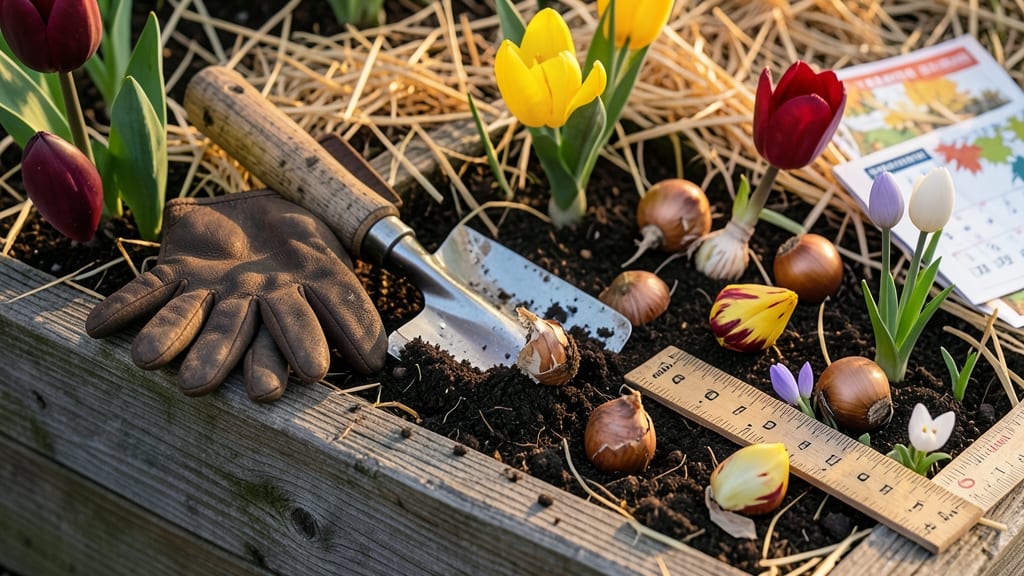
Timing your Spring Flowering Bulbs 🌷 planting in Maryland isn’t just about the calendar—it’s about dodging frost and giving those bulbs the perfect head start for showstopping blooms next spring.
With Maryland’s Zone 7a climate, planting too early or too late can turn your hard work into a sad, shriveled mess. The key? Planting 6-8 weeks before the ground freezes—typically by mid-November—but there’s more to it than just dates.
Whether you’re a first-time gardener or a seasoned pro, I’ll break down the exact windows for fall and spring planting, plus how to adjust for Maryland’s tricky microclimates. No more guessing—just stunning results.
Let’s dive into the perfect timing to ensure your bulbs thrive and your garden bursts into color come April.
Maryland Zone 7a bulb planting deadlines by type (fall & spring)
Maryland’s Zone 7a climate demands precision when planting spring-flowering bulbs—like daffodils and tulips—because frost can ruin your hard work if you’re off by even a few weeks.
The general rule? Plant 6-8 weeks before the ground freezes, which in Maryland usually means mid-September to mid-November for fall-planted varieties.
But not all bulbs follow the same schedule. Summer-flowering bulbs like dahlias or gladiolas need a different approach, planted in late spring after the last frost (typically April to early May). Let’s break down the exact deadlines to ensure your bulbs thrive and bloom on time.
| Bulb Type | Planting Window | Deadline (Zone 7a) | Notes |
|---|---|---|---|
| Daffodils (🌼) | Fall | Mid-September to mid-November | Hardy; tolerates cold well. |
| Tulips (🌷) | Fall | Late September to early November | Plant early for best blooms. |
| Hyacinths (🌸) | Fall | October to early November | Needs well-draining soil. |
| Crocuses (🌷) | Fall | September to October | Early bloomers; plant shallow. |
| Alliums (🌼) | Fall | Late September to November | Drought-tolerant once established. |
| Dahlias (🌻) | Spring | After last frost (April-May) | Needs warm soil to sprout. |
| Gladiolas (🌺) | Spring | Late April to early June | Plant in full sun for best blooms. |
For fall-planted bulbs, aim to finish by mid-November to ensure they establish roots before the ground freezes. If you’re in rural Maryland, where winters are colder, plant earlier (by late October).
In urban areas like Baltimore, where heat islands delay frost, you might push planting to early November.
If you miss the fall window, don’t panic!
You can still plant spring-flowering bulbs in March or early April, but expect smaller blooms since they won’t have as much time to establish roots. Dahlias and gladiolas, however, must wait until after the last frost—typically mid-April in Maryland—to avoid frost damage.
Pro tip: Use the Maryland Cooperative Extension’s frost forecast (available online) to fine-tune your planting schedule. This tool predicts the first frost date for your specific county, helping you avoid last-minute mistakes.
Once planted, mulch with 2-3 inches of straw to insulate bulbs from temperature swings. This extra layer can push your planting window by 1-2 weeks in colder microclimates, giving you more flexibility.
Remember, bulbs need 6-8 weeks of root growth before winter sets in. If you plant too late, they’ll struggle to establish, leading to weak or no blooms next spring. Mark your calendar and set reminders—your future spring garden will thank you!
For summer-flowering bulbs, like dahlias, wait until the soil warms to at least 60°F (usually mid-May in Maryland). These bulbs are tender and won’t survive frost, so timing is critical. Plant them 1-2 inches deep and keep the soil consistently moist until they sprout.
🌱
How to adjust planting timing for Maryland’s microclimates (urban vs. rural)
Maryland’s Zone 7a climate isn’t one-size-fits-all—your Baltimore rooftop garden faces different challenges than a Western Shore farm. Urban heat islands can delay frost, while rural areas might freeze earlier. Understanding these microclimate differences lets you fine-tune planting for zero frost failures.
In cities like Baltimore or Frederick, pavement and buildings trap heat, keeping soil 5-10°F warmer than rural areas. This means bulbs can handle later fall planting (up to mid-November) without frost risk.
Rural spots, though, may freeze by early November, so aim for late September to early October to avoid winter damage.
🌱 Microclimate Tip: Check your local frost-free date via the Maryland Cooperative Extension tool—it’s your planting deadline!
Western Maryland’s higher elevations (like Cumberland Valley) can drop below 20°F earlier, while the Eastern Shore stays milder. For coastal areas, push planting to late October—the ocean’s warmth delays frost. Inland? Start by mid-September to ensure bulbs root before winter.
Soil drainage is another urban vs. rural divide. City soil often compacts, leading to waterlogged bulbs—plant in raised beds or amend with compost. Rural areas may have sandy soil, requiring extra mulch to retain moisture. Always test drainage: if water pools after 6 hours, amend with organic matter.
Frost pockets (low spots where cold air settles) are common in rural landscapes. Plant late-blooming bulbs (like daffodils) in these areas—they tolerate brief chills. Avoid tulips here; they’re frost-sensitive. Urban gardens? Prioritize heat-tolerant varieties (e.g., hyacinths) for longer bloom seasons.
Adjust for your yard:
- Urban? Plant 1-2 weeks later than rural guidelines.
- Rural? Start 2-3 weeks earlier to beat frost.
- Coastal? Extend deadlines by 10-14 days.
Pro Tip: Use a soil thermometer—plant when temps hit 50-60°F for 10+ days. This beats guessing games! 🌿
⚠️ Warning: Never plant bulbs in waterlogged soil—they’ll rot before winter!
For container gardening (common in cities), use well-draining pots and move them to sheltered spots before 25°F temps. Rural gardeners? Group bulbs in windbreaks to prevent frost damage. Both strategies protect your spring blooms from Maryland’s whimsical weather.