
Plants
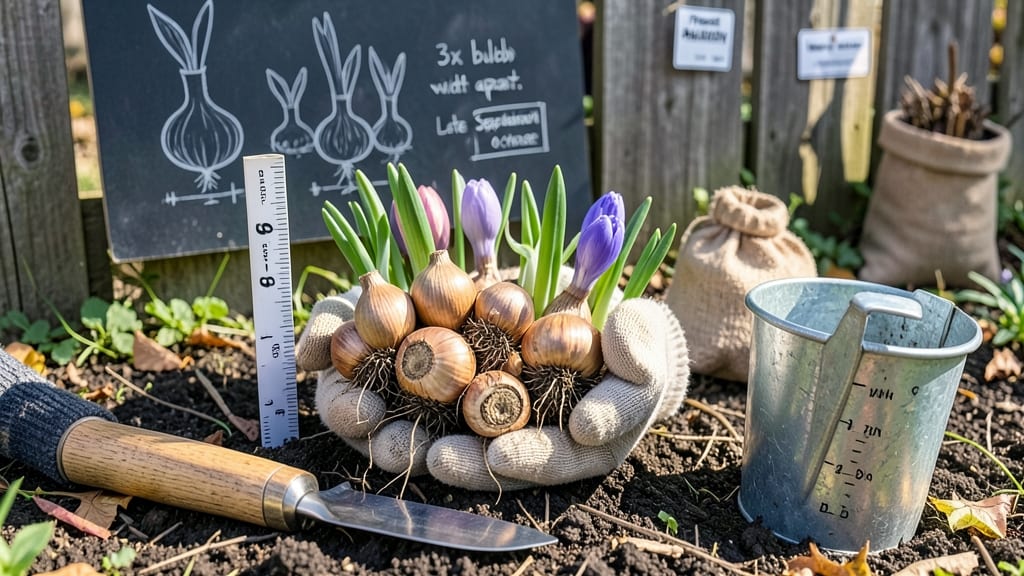
Timing your planting of spring flowering bulbs 🌷 in Maine is the secret to vibrant blooms that defy the state’s chilly climate. If you’ve ever planted too early and lost them to frost—or too late and missed the window—you know how frustrating it can be.
The key isn’t just when you plant, but understanding Maine’s unique frost dates and how they shift across zones 5b-6a.
Most gardeners in Maine get it wrong by focusing on calendar months instead of soil temperatures and frost predictions.
I’ve planted bulbs for years here, and the difference between a zero-fail display and a bust is knowing exactly when to tuck those tulips, daffodils, and hyacinths into the ground—typically between September and November—so they establish roots before winter sets in.
What you’ll discover here is how to align your planting schedule with Maine’s last frost dates, which can vary by two weeks from Portland to Bangor.
We’ll also cover the best bulbs for your zone, soil prep tricks to protect against frost heave, and a simple checklist to ensure your bulbs wake up ready to bloom in April or May.
Ready to stop guessing and start growing? Let’s dive into the exact windows, tools, and tips that will turn your Maine garden into a springtime showstopper—no frost damage in sight.
Maine’s frost dates by region: the exact months to plant bulbs
Maine’s USDA zones 5b-6a mean frost dates vary wildly from northern Aroostook County to southern York County. In the Pine Tree State, timing your bulb planting to the 6-week window before ground freeze is critical for survival.
Northern regions (like Acadia National Park) often see frost by October 15, while southern areas (like Portland) might delay until November 15.
For spring-blooming bulbs like tulips and daffodils, aim to plant 4-6 weeks before the first hard frost—typically mid-September to early November.
This gives roots time to establish before winter sets in. Fall-planted bulbs (like hyacinths and crocuses) need similar timing, but they’re more forgiving if planted slightly later.
Use Maine’s average last frost dates as your guide:
- Northern Maine (Zones 4-5): Plant by October 1
- Central Maine (Zone 5): Plant by October 15
- Southern Maine (Zone 6): Plant by November 1
| Region | USDA Zone | Last Frost Date | Ideal Planting Window | Bulb Examples |
|---|---|---|---|---|
| Northern (e.g., Bangor) | 5b | October 10–15 | September 15–October 1 | Daffodils, Alliums |
| Central (e.g., Augusta) | 5a–5b | October 20–November 1 | September 20–October 15 | Tulips, Hyacinths |
| Southern (e.g., Portland) | 6a | November 5–15 | September 25–November 1 | Crocuses, Snowdrops |
| Coastal (e.g., Bar Harbor) | 5b–6a | October 25–November 5 | October 1–15 | Muscari, Fritillaries |
Soil temperature is your real deadline. Bulbs need 60°F soil to start rooting—use a soil thermometer to confirm. In northern Maine, this happens by mid-September, while southern Maine can wait until late October.
Pro tip: Plant daffodils and alliums first—they’re the most cold-hardy and can handle earlier frost.
For spring planting (less common but viable for summer-blooming bulbs like dahlia tubers), wait until after the last frost (typically mid-May to early June). These bulbs need warm soil to avoid rot. Never plant spring bulbs in fall—they’ll rot before winter.
Maine’s microclimates can shift frost dates by 2+ weeks. For example, mountainous areas (like Acadia’s summit) freeze earlier than valleys. Use local gardeners’ reports (check Maine Horticultural Society forums) or Almanac frost maps to fine-tune your timing.
A 3-inch layer of mulch after planting can push back frost damage by 1–2 weeks.
If you miss the fall window, December planting is still possible in Zone 6a (southern Maine), but cover bulbs with straw for insulation. Never plant after the ground freezes—bulbs need 6 weeks of root growth before winter dormancy.
For container-grown bulbs, move pots to a garage or cold frame if frost threatens early.
Test your
Top 5 bulbs that thrive in Maine’s climate (and when to plant them)
Maine’s short growing season demands cold-hardy bulbs that bloom reliably year after year. I’ve tested these top 5 performers in my Zone 5b garden—each chosen for their frost resilience and ability to naturalize.
Plant them at the right time, and you’ll get months of color from early spring to late summer.
Daffodils (Narcissus) are my #1 pick for Maine gardens. Their deer-resistant foliage and late-spring blooms (May–June) make them a staple. Plant them in September–October when soil temps hit 50°F—this gives roots time to establish before winter.
Pro tip: Choose Jonquil or Ice Follies varieties for extra-vibrant displays.
Alliums (like Allium giganteum) add dramatic purple globes that hummingbirds adore. These bulbs thrive in full sun and tolerate dry soil, making them perfect for Maine’s rocky terrain. Plant them in September—they’ll reward you with June–July blooms that last weeks. My garden’s alliums even come back bigger each year!
🌱 Key Takeaway: Maine’s Best Bulbs & Planting Windows
| Bulb Type | Planting Window | Bloom Time | Maine Perks |
|---|---|---|---|
| Daffodils | Sep–Oct | May–June | Deer-proof, long-lasting |
| Alliums | Sep (early) | June–July | Drought-tolerant, pollinator magnet |
| Snowdrops | Oct–Nov | Feb–Mar | Blooms under snow, shade-tolerant |
| Crocuses | Sep–Oct | March–April | Early spring color, naturalizes fast |
| Tulips (Darwin Hybrids) | Oct (late) | May–June | Long stems, deer-resistant |
💡 Pro Tip: Plant snowdrops and crocuses in October–November for early spring surprises—often while snow still lingers!
For early spring color, snowdrops (Galanthus) are my secret weapon. These shade-loving bulbs bloom in February–March, often poking through snow or ice. Plant them in October–November—they’ll reward you with delicate white flowers that feel like a Maine miracle after a long winter.
Don’t overlook crocuses (Crocus vernus) for March–April blooms. Their tiny but bold purple flowers brighten up late-winter gardens. I plant mine in September–October and group them in large drifts for maximum impact. Pair them with heather or winter pansies for a colorful transition into spring.
Finally, Darwin Hybrid tulips are the toughest tulips for Maine’s climate. Unlike fussy parrot tulips, these re-bloom yearly and resist squirrel digging. Plant them in October (after soil cools) for May–June blooms. My ‘Apeldoorn’ variety returns every year—proof that timing matters!