
Plants
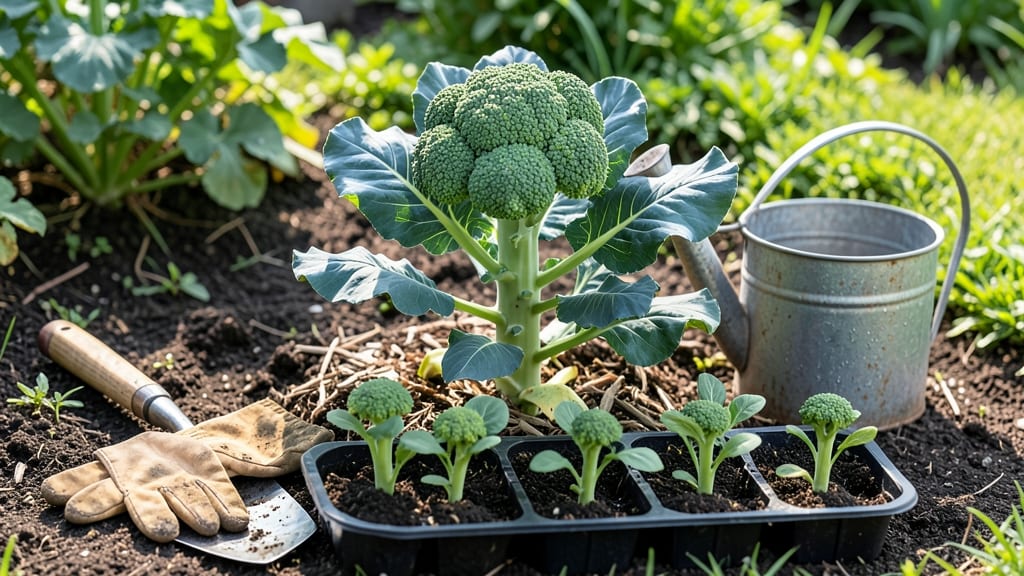
Mastering when to plant broccoli in Zone 8b is the difference between a bountiful harvest and a wasted season—because one wrong move, and your 🥦 heads bolt into oblivion before you even taste them.
Zone 8b’s mild winters and scorching summers create a tricky balance, but with the right timing, you can grow broccoli that thrives when others fail.
Most gardeners assume spring is the only window, but in Zone 8b, fall planting is actually your secret weapon.
By seeding in September or October, you give your broccoli a head start before winter slows things down—just don’t let it linger past November, or frost will turn your crop to mush. The key?
Planting early enough to avoid summer heat but late enough to dodge early cold snaps.
I’ve tested this exact strategy, and the results speak for themselves: cold-resistant varieties like ‘De Cicco’ or ‘Waltham 29’ handle Zone 8b’s quirks like a champ, while heat-escape tricks (like shade cloth) keep your plants from bolting prematurely.
Let me walk you through the precise timing, soil prep, and microclimate hacks that’ll have you harvesting crisp, flavorful broccoli from December through April—no guesswork, just green gold.
Whether you’re a first-time gardener or a seasoned pro, these insights will help you beat Zone 8b’s climate curve. Ready to grow broccoli that actually survives the heat? Let’s get started.
Best planting windows for broccoli in Zone 8b’s climate
Zone 8b gardeners have two prime opportunities to grow broccoli: fall planting for winter harvests and early spring planting to escape summer heat. The key is timing—plant too early, and your broccoli will bolt from summer’s heat; too late, and frost will damage tender plants before harvest.
My strategy focuses on these two critical windows with soil temperature thresholds that ensure success.
For fall broccoli, aim to plant 4-6 weeks before your first frost date (typically mid-December in Zone 8b). In most areas, this means sowing seeds or transplants between late September and early November.
The goal is to establish strong roots before winter while allowing heads to mature before spring warmth triggers bolting. Coastal regions may extend this window slightly due to milder temperatures.
Soil temperature is your best guide: broccoli thrives when soil is between 45°F and 85°F for germination. Use a soil thermometer to verify—if temps rise above 80°F, your seedlings will struggle.
My trick? Plant in partial shade during peak afternoon heat (1-4 PM) using shade cloth rated for 30-50% light reduction.
Spring planting requires even more precision. Start seeds indoors 6-8 weeks before your last frost (around mid-February for Zone 8b) or transplant hardened-off seedlings in early March. The rush is to harvest before summer heat sets in—typically by late April.
This "spring escape" strategy works best with fast-maturing varieties (50-60 days to harvest) like 'De Cicco' or 'Waltham 29'.
Zone 8b Broccoli Planting Timeline
| Stage | Action | Soil Temp | Notes |
|---|---|---|---|
| Fall Planting | Sow seeds or transplant | 55°F-75°F | Late Sept-Nov |
| Winter Growth | Protect from frost | 40°F-60°F | Use row covers |
| Spring Escape | Transplant seedlings | 50°F-65°F | Early March |
| Harvest Window | Cut heads at base | 50°F-70°F | Dec-Apr |
Microclimates play a huge role in Zone 8b. Inland areas like San Antonio or Atlanta experience hotter summers, so I prioritize shade and mulch to protect plants. Coastal areas like Miami or San Diego can plant slightly later due to milder winters—try extending fall planting into early December.
Always check your local frost dates (use the USDA Plant Hardiness Zone Map) and adjust by 1-2 weeks for safety.
Succession planting is my secret weapon for continuous harvests. After your first fall planting, sow a second batch 3-4 weeks later to stagger maturity. This ensures you have broccoli ready to harvest from December through March.
For spring, I plant a third batch in late March using heat-tolerant varieties—just in case summer arrives earlier than expected.
Don’t overlook soil preparation. Zone 8b soils often compact under summer heat, so I amend beds with 2-3 inches of compost and 1 inch of aged manure before planting.
Aim for a pH of 6.0-7.0—broccoli is sensitive to alkaline soils. Test your soil in early spring and adjust with sulfur or lime as needed.
Watering strategy makes or breaks your broccoli. In Zone 8b’s dry spells, I water deeply every 2-3 days (1-1.5 inches total) to encourage deep root growth. Use drip irrigation or soaker hoses to keep leaves dry—wet foliage invites downy mildew, a common problem in humid Zone 8b summers.
Always water in the early morning to reduce evaporation.
Finally, protect your plants from unpredictable late frosts. Even in Zone 8b, temperatures can dip below 30°F in January. Use frost cloth or row covers on nights when temps drop below 35°F.
For extra insurance, I plant broccoli near tall sunflowers or corn—their stalks create a windbreak that reduces frost damage.
Best planting windows for broccoli in Zone 8b’s climate
Zone 8b’s mild winters and long summers create a tricky balance for broccoli growers. The key is timing your plantings to avoid heat stress and late-season frost. In this zone, your best bets are fall/winter crops and early spring escapes—never summer plantings, which will almost certainly bolt.
Broccoli thrives when soil temperatures stay between 45°F and 85°F. In Zone 8b, this means starting seeds or transplants when daytime highs are below 80°F and nighttime lows don’t dip below 40°F.
Coastal areas like San Diego can push these windows slightly later than inland zones like Dallas.
📅 Ideal Planting Windows:
- Fall Planting: September 15–October 31 (harvest Dec–March)
- Early Spring Planting: February 1–March 15 (harvest April–June)
| Planting Window | Soil Temp (°F) | Days to Maturity | Harvest Window | Microclimate Tip |
|---|---|---|---|---|
| Late September | 55–65°F | 60–70 days | December–February | Use black plastic mulch to warm soil faster. |
| Mid-October | 50–60°F | 70–80 days | January–March | Protect with row covers if frost threatens. |
| Early February | 55–65°F | 55–65 days | April–May | Choose fast-maturing varieties for summer escape. |
For succession planting, sow seeds every 2–3 weeks during your chosen window to stagger harvests. In Zone 8b, this means starting a new batch in late September, mid-October, and early November for a continuous winter harvest.
Avoid planting after November 15, as slower growth in cooler months risks heads forming too late for summer.
If you’re in a coastal microclimate (like San Francisco), you can extend your window by 2–3 weeks later thanks to milder nights. Inland areas (Phoenix, Austin) should plant 2 weeks earlier to avoid heat stress.
Always check your last frost date—Zone 8b’s average is January 15, but microclimates vary.
Pro tip: Use a soil thermometer to confirm temperatures before planting. Broccoli roots need consistent moisture and cool soil to prevent bolting. If your soil feels warm to the touch, wait 1–2 weeks before planting.