
Plants
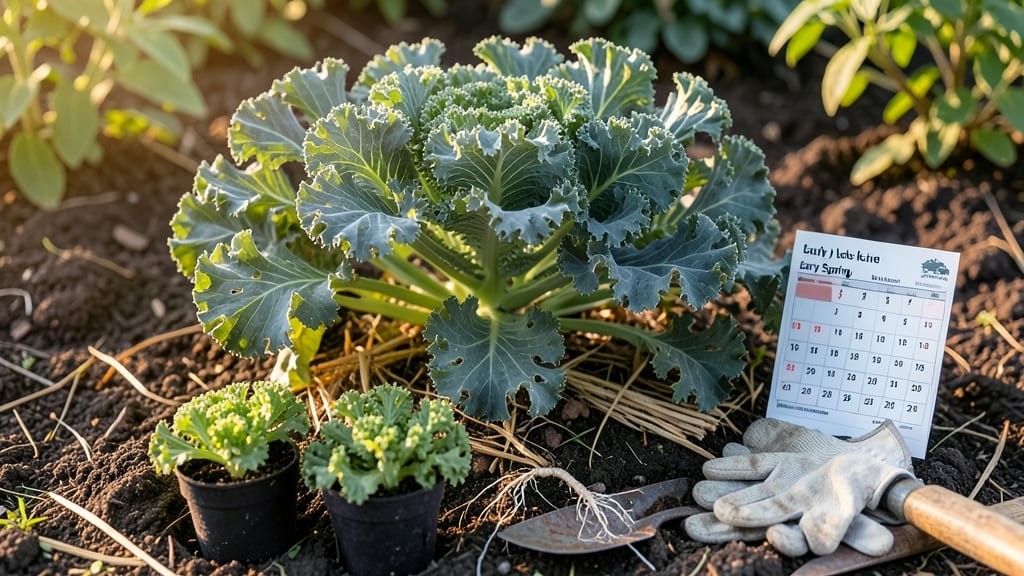
Planting brassicas in Wisconsin at the wrong time can mean the difference between a thriving garden and a sad pile of frost-bitten greens. With Wisconsin’s 5a-6a climate, timing is everything—especially when you’re aiming for that perfect head of cabbage or bunch of kale 🥬.
Most gardeners assume "spring" means one planting window, but brassicas actually thrive in two seasons: early spring and late summer. Get the timing right, and you’ll enjoy fresh harvests from June through November. But miss the mark, and you’re left scrambling when the first frost rolls in.
In this guide, I’ll break down the exact planting windows for Wisconsin—including how to adjust for your specific microclimate. Whether you’re growing broccoli, Brussels sprouts, or kale, you’ll learn when to start seeds indoors, when to transplant outdoors, and how to stretch your growing season with smart techniques.
Ready to turn your brassica dreams into a reality? Let’s dive into the frost-date cheat sheet that’ll keep your garden productive all season long.
Wisconsin brassica planting calendar by frost-date zones
Wisconsin’s USDA zones 5a-6a mean brassicas face late spring frosts and early fall freezes. Timing is everything—plant too early, and frost zaps your seedlings; too late, and your harvest shrinks.
The key is aligning your planting with average last frost dates (April 15) and first frost dates (October 15), while accounting for Wisconsin’s microclimates.
Most brassicas thrive in cool weather and bolt (go to seed) when temperatures hit 80°F+. Wisconsin’s short 150-180 frost-free days demand strategic planting: early spring for fast varieties and late summer for cold-hardy types. Let’s break it down by variety and zone.
⚠️ NON-NEGOTIABLE: Always check your local UW Extension frost date maps—southern Wisconsin (zone 6a) can be 2 weeks earlier than northern areas (zone 5a). For example, Milwaukee might plant 2 weeks ahead of Duluth.
🌱 Wisconsin Brassica Planting Windows by Variety
| Variety | Spring Planting | Fall Planting | Frost Tolerance | Days to Harvest |
|---|---|---|---|---|
| Broccoli ('De Cicco') | March 20 - April 15 | August 1 - August 15 | 28°F (survives light frost) | 50-65 days |
| Cabbage ('Golden Acre') | April 1 - April 30 | July 15 - August 15 | 25°F (hardy to light freeze) | 70-90 days |
| Kale ('Winterbor') | March 15 - April 10 | July 1 - September 1 | 15°F (thrives in cold) | 45-60 days |
| Brussels Sprouts | April 15 - May 1 | July 1 - July 15 | 20°F (needs protection) | 90-120 days |
| Cauliflower ('Snowball') | April 1 - April 15 | August 15 - September 1 | 28°F (light frost only) | 60-80 days |
🌡️ Pro Tip: Use row covers to extend spring planting by 2-3 weeks if frost threatens.
For spring planting, aim to transplant seedlings 4-6 weeks before your last frost date. Start seeds indoors 6-8 weeks before transplanting to give them a head start. In Wisconsin, this means early March starts for most varieties.
For example, broccoli and kale can handle cooler soil, so you can direct-sow as early as late March if the ground isn’t frozen.
Fall planting is trickier—you’ll need to time it so brassicas mature before first frost. A general rule: 8-10 weeks before frost for most varieties.
In Wisconsin, this translates to August 1-September 15. Kale and Brussels sprouts are your best bets for fall, as they sweeten in cold weather and tolerate light frosts.
If you’re in northern Wisconsin (zone 5a), err on the side of later planting—wait until mid-April for spring and late July for fall
How to adjust planting dates for Wisconsin’s unpredictable weather
Wisconsin’s frost dates can shift by weeks, making brassica planting a moving target. I’ve learned the hard way—late frosts can wipe out tender seedlings, while early freezes ruin fall harvests. The key? Flexible timing strategies that match your microclimate and variety needs.
Start by checking your local USDA Zone (5a-6a), but don’t stop there. Southern Wisconsin (like Madison) averages April 15 for last frost, while northern areas (like Green Bay) can wait until May 1.
Use row covers to push spring planting 2-3 weeks earlier or extend fall harvests by 3-4 weeks later.
🌱 5 Proven Strategies for Wisconsin’s Weather
- Soil Warming: Use black plastic mulch 2-3 weeks before planting to raise soil temps 5-10°F faster.
- Succession Planting: Sow broccoli every 2 weeks from April to June for continuous harvests.
- Cold Frames: Extend spring harvests by 4-6 weeks with clear plastic covers over seedlings.
- Frost Cloth: Protect fall brassicas until 28°F with lightweight row covers.
- Hardy Varieties: Choose ‘Winterbor’ kale or ‘January King’ cabbage for 30°F tolerance.
For late-spring planting (after May 15), opt for fast-maturing varieties like ‘Early Purple Top’ white cabbage (50 days) or ‘Calabrese’ broccoli (55 days). These give you a summer harvest before bolting. In containers? Start seeds indoors 6 weeks early and transplant after May 20 to avoid transplant shock.
Monitor your garden’s microclimate—south-facing beds warm faster than north sides. I’ve seen Brussels sprouts bolt in full sun by July, while kale thrives in partial shade. Use drip irrigation to keep soil temps stable during heatwaves, which can stress brassicas.
If frost threatens in fall, harvest outer leaves from kale or collards to prolong production. For cabbage, wrap heads in straw to insulate them down to 15°F. I’ve kept ‘Golden Acre’ cabbage edible until December using this trick!
🌱