
Plants
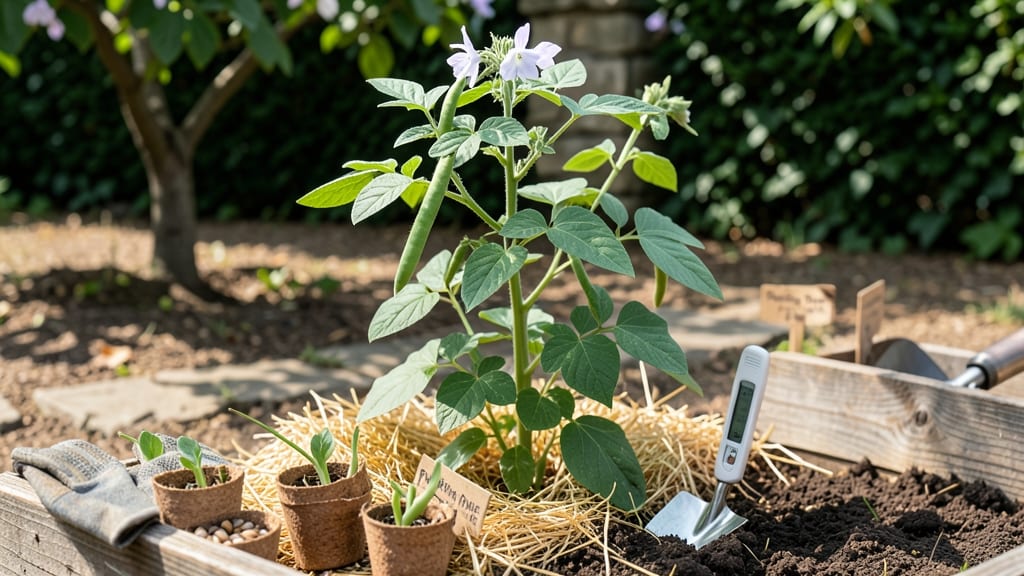
Timing your beans 🌱 planting in Wisconsin isn’t just about the calendar—it’s about catching that sweet spot between soil warmth and frost risk. Get it wrong, and you might spend summer watching seeds rot in cold soil or watching your plants bolt before producing pods.
But nail the 50–60°F soil temperature and last frost dates, and you’ll be harvesting fresh beans from July through October.
Here’s the kicker: Wisconsin’s climate varies wildly from south to north, with Zone 4a in the Upper Peninsula facing completely different risks than Zone 6b in Madison.
Whether you’re in the Driftless Region or the Fox Valley, I’ll break down the exact windows—from mid-April to early June for spring plantings or late July for a fall harvest—so you can avoid the common pitfalls that waste seeds and patience.
You’ll also discover how to work with Wisconsin’s shorter growing season by choosing the right varieties and using succession planting. No more guessing whether your soil is warm enough or if that late-May frost will wipe out your crop. Let’s get your beans growing strong and your harvest table full.
Ready to stop second-guessing and start planting with confidence? I’ll walk you through the soil tests, regional adjustments, and even when to plant for a fall crop—so you can enjoy fresh beans straight from your Wisconsin garden.
Wisconsin bean planting timeline: last frost dates by region
Wisconsin’s last frost dates vary dramatically by region, making it critical to adjust your bean planting schedule accordingly.
Southern Wisconsin—like Milwaukee and Madison—typically sees its average last frost between April 25 and May 10, while northern areas (e.g., Green Bay or Eau Claire) often wait until May 15 to June 1.
These dates mark the safe window for planting bush beans and pole beans outdoors, but always verify with local sources like the Wisconsin State Climatology Office.
For early-maturing varieties, you can push the envelope slightly—planting as early as mid-April in southern WI if your soil is workable and protected from late frosts. However, cold snaps (which happen even in May) can stunt young seedlings.
Use row covers or wait for soil temperatures to consistently hit 50°F at a 4-inch depth, a better indicator than frost dates alone.
Northern Wisconsin gardeners should prioritize fast-growing varieties like ‘Provider’ bush beans (ready in 50 days) to beat the clock.
In contrast, southern WI growers can afford slightly slower varieties like ‘Kentucky Wonder’ pole beans (ready in 60 days) while still enjoying a full harvest before first frost in mid-October.
🌱
If you’re planting for a fall harvest, aim for late July in southern WI or early August in northern areas. Beans sown this late need 60–70 days to mature before the first frost, which typically arrives in mid-October.
Use heat-tolerant varieties like ‘Contender’ or ‘Blue Lake’ for extended harvests.
Pro tip: Check the Wisconsin Horticulture Crops Team’s frost maps for real-time updates, as climate change has shifted frost patterns in recent years. Even a 5-day delay can mean the difference between a thriving crop and a failed attempt.
For succession planting, sow new seeds every 2 weeks after your initial planting. This ensures a continuous harvest throughout the summer, especially useful for pole beans that produce over a longer period. Just be mindful of disease pressure—overcrowded plants invite bean rust or powdery mildew.
🌿
Remember, soil temperature is just as important as frost dates. Even if the air is warm, cold soil (below 50°F) will delay germination. I’ll cover how to test soil temps and troubleshoot cold snaps in the next section—don’t miss it!
Ideal soil temperature for planting beans in Wisconsin
Beans are finicky about soil warmth—too cold, and your seeds will rot in the ground. In Wisconsin, soil temperatures must reach at least 50°F for germination, but 60°F or warmer is ideal for consistent sprouting.
Without proper warmth, your beans will either refuse to germinate or grow slowly, leaving them vulnerable to pests and disease.
Most Wisconsin gardeners wait until late May or early June to plant beans, as this aligns with soil warming trends. However, in southern Wisconsin, where springs arrive earlier, you might start as early as mid-May.
Northern regions, like the Chippewa Valley, may need to wait until early June.
To check soil temperature, use a soil thermometer (available for under $10). Insert it 2 inches deep—this is where bean seeds will be planted—and wait 10 minutes for an accurate reading. If the temperature hovers between 50–59°F, your seeds may germinate slowly. Below 50°F, germination is unlikely.
🌱 Key Soil Temp Highlights for Wisconsin Beans
- 50°F: Minimum for germination (slow growth risk)
- 60°F: Ideal for fast, healthy sprouting
- Southern WI: Mid-May (soil often reaches 60°F)
- Northern WI: Early June (soil warms later)
- Use black plastic mulch to warm soil by 5–10°F faster
Cold snaps can derail your planting plans. If a late frost hits after you’ve planted, cover seedlings with frost cloth or row covers. Beans are sensitive to cold damage, so avoid planting until you’re confident the last frost has passed—check the Wisconsin State Climatology Office for regional updates.
For a head start, try container gardening with heated seed trays. Place them in a sunny window or under grow lights until soil warms outdoors. This method lets you transplant seedlings when conditions are perfect, giving you a 2–3 week advantage over direct sowing.
Once your soil hits 60°F, plant seeds 1 inch deep and 2–3 inches apart. Water gently to settle soil around seeds, then monitor for sprouts within 7–14 days. Thin seedlings to 3–4 inches apart once they’re 2 inches tall to ensure proper airflow and growth.
Pro tip: Dark-colored containers (like black pots) absorb heat faster, speeding up soil warming. If you’re in doubt about timing, opt for early-maturing varieties like ‘Blue Lake’ or ‘Provider,’ which tolerate cooler soils better than slower growers.