
Plants
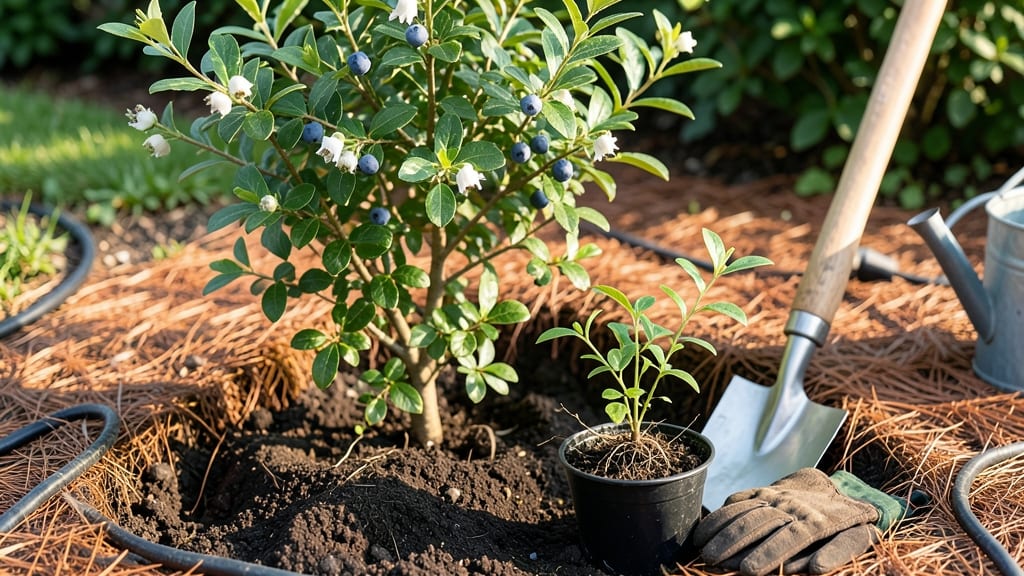
Planting blueberry bushes in Mississippi at the wrong time can mean years of struggling with sparse harvests—even if you’ve got the perfect soil.
The key isn’t just waiting for spring; it’s matching your variety’s chill-hour needs to Mississippi’s 8a climate, where late frosts and early heatwaves can throw off your timing.
For sweet, abundant harvests from May to July, you’ll want to plant your 🫐 blueberry bush between late fall and early spring—specifically, from October through March. This window lets roots establish before the heat arrives, setting up your bushes for stronger growth and bigger yields.
But here’s the catch: not all blueberries thrive equally in Mississippi. Southern Highbush varieties need fewer chill hours than Rabbiteye types, so your planting schedule should align with your specific bush.
I’ll break down the exact months for each type, plus how to protect young plants from those tricky late frosts.
Ready to turn your Mississippi garden into a blueberry powerhouse? Let’s dive into the perfect planting strategy—so you can enjoy those juicy berries without the guesswork.
Best planting months for blueberries in Mississippi by chill-hour requirements
Mississippi’s USDA Zones 7-9 create unique challenges for blueberry growers. Unlike northern climates, our mild winters mean blueberries need careful chill-hour matching to thrive. Plant too late, and your bushes may never set fruit—too early, and they’ll struggle with summer heat before establishing roots.
Most Mississippi gardeners focus on Southern Highbush varieties (400-600 chill hours) or Rabbiteye types (600-900 chill hours). The key window spans October through March, but exact timing depends on your variety and microclimate.
Northern Mississippi (e.g., Tupelo) can handle later plantings, while southern areas (e.g., Biloxi) require earlier action to avoid spring heat stress.
Here’s your chill-hour matched planting guide for Mississippi, including regional adjustments:
| Variety Type | Chill Hours | Best Planting Window | Mississippi Region | Soil pH Needs |
|---|---|---|---|---|
| Southern Highbush | 400-600 hrs | October 15 - February 15 | Coastal (Zone 8b-9a) | 4.5-5.5 |
| Rabbiteye | 600-900 hrs | November 1 - March 1 | North/Central (Zone 7b-8a) | 4.8-5.2 |
| Half-High | 500-700 hrs | October 1 - February 28 | All regions | 4.5-5.5 |
For Southern Highbush varieties like 'Climax' or 'O'Neal', aim for planting between mid-October and mid-February. These bushes need 400-600 chill hours, which Mississippi’s coastal areas typically provide. If you’re in Zone 9a (e.g., Gulf Coast), plant by November 15 to avoid heat stress before dormancy.
Northern Mississippi gardeners should focus on Rabbiteye types like 'Powderblue' or 'Tifblue', which require 600-900 chill hours. Your window extends later—November 1 through March 1—giving roots time to establish before summer’s intensity.
In Zone 7b (e.g., Tupelo), late February plantings can still work if you protect young bushes from early spring warmth.
Half-high varieties like 'Premier' offer flexibility, thriving with 500-700 chill hours. Plant these from October 1 to February 28, making them ideal for container growing in urban areas. Remember: Bare-root bushes plant best in dormant season (fall/winter), while container-grown plants tolerate spring planting if soil stays cool.
Pro tip: Check your local chill-hour map (available from MSU Extension) to fine-tune timing. For example, Jackson (Zone 8a) gets ~500 chill hours, while Hattiesburg (Zone 8b) sees ~600. Match your variety to your microclimate for maximum fruit production.
After planting, mulch with pine straw to maintain soil acidity and retain moisture. In sandy soils (common in Mississippi), add peat moss to improve water retention. Avoid planting in clay-heavy soils unless amended—blueberries hate soggy roots.
🌱
Best planting months for blueberries in Mississippi by chill-hour requirements
Mississippi’s mild winters and hot summers create a unique challenge for growing blueberry bushes. Unlike northern states, you can’t rely on a long, cold winter to satisfy their chill-hour requirements. Instead, timing your planting to align with 400–900 chill hours (depending on variety) is critical.
Planting too early or late can lead to poor fruit set or even plant death in extreme heat.
For most Mississippi gardeners, the ideal planting window spans from late fall (October–November) to early spring (February–March). This period balances cool soil temperatures, reduced stress on roots, and sufficient chill hours for varieties like Southern Highbush or Rabbiteye blueberries.
Let’s break it down by variety and region to ensure your bushes thrive.
🌱 Visual Tip: Use a chill-hour map (available from your local Mississippi State University Extension) to confirm your zone’s exact chill accumulation. Most of Mississippi falls within USDA Zones 7b–9a, but microclimates—like the cooler hills of North Mississippi vs. the warmer Delta region—can shift planting windows by 2–4 weeks.
| Variety | Chill Hours Needed | Best Planting Months | Mississippi Notes |
|---|---|---|---|
| Southern Highbush | 400–600 | October–December or February–March | Thrives in Zones 7–9; plant early fall for root establishment. |
| Rabbiteye (e.g., 'Powderblue') | 600–900 | November–January (avoid late spring) | Needs cooler winters; North MS gardeners plant earlier. |
| Half-High (e.g., 'Tifblue') | 500–700 | October–February | Hybrid vigor; adaptable to Delta’s heat if mulched. |
If you’re in South Mississippi (e.g., Gulf Coast), prioritize fall planting (October–November) to avoid the brutal summer heat. In contrast, North Mississippi (e.g., Tupelo, Oxford) can extend planting into early March thanks to cooler temperatures.
Pro tip: Bare-root bushes planted in late fall (before first frost) establish roots before summer heat arrives.
Mississippi’s unpredictable freezes (even in March!) can damage young shoots. To mitigate risks, mulch heavily with pine straw or wood chips (3–4 inches deep) after planting. This insulates roots and retains moisture during dry spells. For container-grown bushes, plant in February–March to avoid transplant shock in extreme heat.
Remember: Soil pH is non-negotiable. Test and amend your soil to 4.5–5.5 using sulfur or peat moss before planting. Without this, your blueberries won’t produce fruit—no matter how perfect your timing. 🌿