
Plants
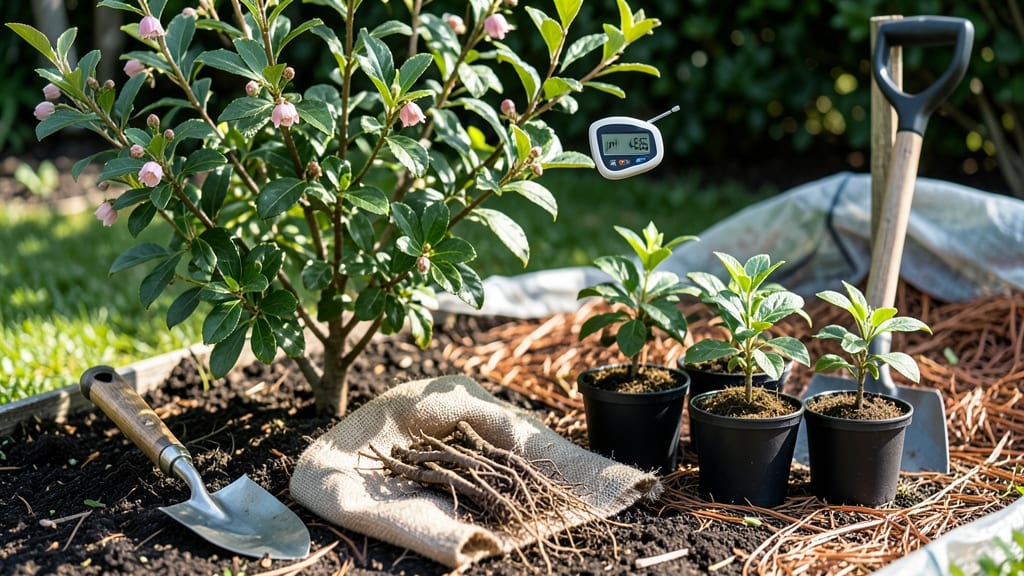
If you're dreaming of a backyard bursting with juicy 🫐 blueberries, timing your Arkansas planting right is the key to success. The perfect window for planting blueberries in Arkansas falls between late winter and early spring, when the soil warms up but frost threats have passed.
Why does this matter? Arkansas's 7a-8b climate zones demand precision - plant too early, and your young bushes risk frost damage; too late, and they won't establish strong roots before summer heat arrives. I'll show you exactly when to get those blueberry plants in the ground for maximum growth potential.
We'll cover the ideal February-March planting window that works for most Arkansas varieties, plus how to prepare your soil for these acid-loving shrubs. Whether you're growing 'Premier' or 'Climax' blueberries, getting the timing right means bigger harvests and healthier plants.
Ready to transform your garden into a blueberry paradise? Let's dive into the exact planting schedule that will have your bushes thriving by next harvest season, with all the local Arkansas-specific tips you need to succeed.
Best planting months for Arkansas blueberries by chill-hour zones
Arkansas’s diverse climate—from the cooler Ozark Mountains to the humid Delta region—means blueberry planting timing varies by chill-hour needs and microclimate. Most Arkansas gardeners thrive with 500-900 chill hours, but southern counties (like Arkansas County) need varieties that tolerate fewer chill hours (400-600).
For northern Arkansas (USDA Zones 7a-7b), aim for late winter to early spring (February–March) when soil temps hit 40°F. Southern Arkansas (Zone 8a) can plant slightly later—March to early April—to avoid late frosts that damage young roots.
Blueberries despise waterlogged soil, so schedule planting after rainfall subsides but before summer heat stresses new roots. In Arkansas, this typically means February 15–March 15 for most regions, with bare-root plants preferred over container-grown for faster establishment.
🌱
Arkansas Blueberry Planting Timeline by Chill-Hour Zone
| Zone & Location | Chill Hours | Ideal Planting Window | Soil Temp Goal | Key Consideration |
|---|---|---|---|---|
| North Arkansas (Benton, Washington Co.) | 700–900 hours | Feb 15–Mar 10 | 40–45°F | Cooler nights; use northern varieties like 'Duke' or 'Bluecrop'. |
| Central Arkansas (Pulaski, Saline Co.) | 500–700 hours | Feb 28–Mar 20 | 45–50°F | Moderate humidity; prioritize disease-resistant varieties. |
| South Arkansas (Arkansas, Miller Co.) | 400–600 hours | Mar 15–Apr 5 | 50–55°F | Warmer winters; choose low-chill types like 'Tifblue'. |
| All Regions (Container Growing) | Flexible | Mar 1–Apr 15 | 45–60°F | Use 15-gallon pots with acidic mix; extend season with row covers. |
📅 Pro Tip: Check your local USDA frost date (avg. last frost: March 15) to adjust timing.
If you miss the spring window, Arkansas’s mild winters allow for fall planting (October–November), but young plants need extra mulch (3–4 inches of pine straw) to insulate roots before first frost. Avoid planting in summer heat, as high temps stress roots and reduce survival rates.
For container-grown blueberries, Arkansas gardeners can plant up to April 15 in cooler zones, but container plants need daily watering and evening shade during 90°F+ days. Containers also let you move plants to safer microclimates if late frosts threaten.
Test your soil’s pH (4.5–5.5) before planting—Arkansas’s clay-heavy soils often need sulfur or peat moss to reach the ideal range. Amend beds with composted pine needles or sphagnum peat for natural acidity.
🌿
After planting, mulch heavily (4–6 inches) with pine bark or wood chips to retain moisture and suppress weeds. Arkansas’s humid summers can lead to fungal diseases like botrytis, so keep mulch 3 inches away from stems for airflow.
Monitor for blueberry maggots and spotted wing Drosophila—common Arkansas pests. Use floating row covers during bloom to deter insects without chemicals.
Best planting months for Arkansas blueberries by chill-hour zones
Arkansas blueberries thrive when planted during the chill-hour window, typically between February and March. This timing aligns with soil temperatures rising above 40°F (4°C) and before the last frost date (March 15 in most regions).
Northern Arkansas (USDA Zone 7a) needs slightly earlier planting due to colder winters, while the Delta (Zone 8a) can extend planting into early April.
Blueberries require 500-900 chill hours (below 45°F/7°C) to set fruit. Varieties like 'Premier' (600-700 hours) suit northern Arkansas, while 'Tifblue' (400-500 hours) thrives in warmer southern zones. Planting too late risks poor bud development or winter dieback in marginal zones.
| Zone | Chill Hours | Best Planting Month | Soil Temp | Key Tip |
|---|---|---|---|---|
| 7a (North AR) | 600-900 | Late February | 40-45°F | Use mulch to protect roots |
| 7b (Central AR) | 500-700 | Early March | 45-50°F | Avoid waterlogged soil |
| 8a (South AR) | 400-500 | March-April | 50-55°F | Choose heat-tolerant varieties |
Spring planting offers faster establishment than fall, but Arkansas's humid summers demand immediate mulching to retain moisture. For container-grown plants, transplant as soon as roots appear at the pot's bottom (2-3 weeks before last frost).
Northern Arkansas gardeners should prioritize acid-loving varieties like 'Duke' or 'Bluecrop' to handle colder winters.
If planting in fall (October-November), do so 6-8 weeks before first frost to allow root establishment. Southern Arkansas's milder winters permit later fall planting, but avoid planting when soil temps drop below 50°F (10°C).
Always amend soil with peat moss or sulfur to maintain pH 4.5-5.5, critical for nutrient uptake.
Microclimates matter: Elevated areas (like Ozark Mountains) stay colder longer, while low-lying Delta regions warm faster. Use a minimum-maximum thermometer to track soil temps and adjust planting dates. For urban gardeners, container planting extends flexibility—just ensure pots have drainage holes and use acidic potting mix.
Pro tip: Mark your last frost date on a calendar and count backward 4-6 weeks for ideal transplanting. Arkansas Extension Service data shows March 1 is the safest average date for most regions, but verify locally with your county agricultural office for precision.