
Plants
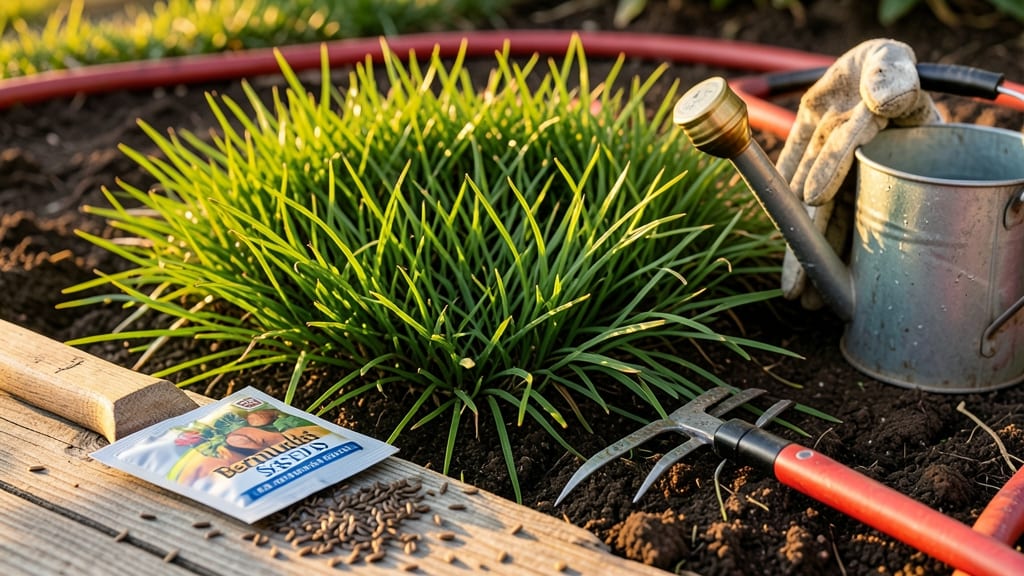
Planting Bermuda Grass seeds at the wrong time in Texas can turn your dream of a lush lawn into a frustrating battle against the heat.
The key to success isn't just choosing the right grass—it's knowing exactly when to plant it so your seeds thrive instead of wither under 100°F temperatures.
Texas's 8a-10b climate zones demand precision, and waiting until late spring to early summer (April-June) gives your Bermuda Grass 🌱 the perfect head start. Too early, and frost can still linger; too late, and you risk struggling with summer's intensity.
Let's break down the exact window that works for your region.
You're not just planting seeds—you're laying the foundation for a lawn that can handle Texas's brutal summers. With the right timing, you'll skip the patchy, weak grass that gives up in the heat.
I'll show you how to align your planting schedule with soil temperatures, regional microclimates, and even the last frost dates for your part of the state.
Whether you're in North Texas where winters linger longer or South Texas where the heat arrives early, this guide will give you the confidence to plant at the optimal moment.
Let's get your lawn off to the best possible start—because once you see that vibrant green take over, you'll wonder why you didn't do this sooner.
Best planting windows for Bermuda grass seeds in Texas by region
Timing your Bermuda grass seed planting is everything in Texas, where soil temperatures and last frost dates vary dramatically by region. Plant too early, and your seeds will rot in cold soil. Plant too late, and you’ll miss the optimal growing window before summer’s brutal heat sets in.
Let’s break down the best planting windows for North, Central, and South Texas to ensure your lawn thrives.
Texas spans USDA zones 8a-10b, meaning frost dates and soil warming rates differ significantly. For Bermuda grass seeds, the golden rule is to wait until the soil temperature consistently reaches 65°F or higher at a depth of 4 inches.
This ensures rapid germination and robust root development before the heat peaks.
North Texas (e.g., Dallas, Fort Worth) typically sees its last frost around February 15, but soil doesn’t warm enough for Bermuda grass until late April to early May. Planting earlier risks seed rot or slow germination. Aim for May 1 to June 15 to give your grass a head start before summer’s intensity.
Central Texas (e.g., Austin, San Antonio) enjoys warmer soils earlier, with optimal planting stretching from mid-April to early June. The region’s milder winters and longer growing season allow for flexibility, but don’t delay past June 15—the grass will struggle to establish before the dog days of summer.
South Texas (e.g., Houston, Corpus Christi) has the longest growing season, with soil temperatures reaching 65°F by early March. Here, you can plant as early as March 15, but the ideal window is April 1 to June 10. The key is to avoid planting in July or August, when extreme heat can stress young seedlings.
🌱 Texas Bermuda Grass Planting Windows by Region
| Region | Last Frost Date | Optimal Planting Window | Soil Temp Requirement | Key Consideration |
|---|---|---|---|---|
| North Texas | Feb 15 | May 1 - June 15 | 65°F+ | Avoid early planting; soil stays cold longer. |
| Central Texas | Jan 15 | Apr 15 - Jun 1 | 65°F+ | Longer window due to milder winters. |
| South Texas | Dec 15 | Mar 15 - Jun 10 | 65°F+ | Plant early to avoid summer heat stress. |
🌡️ Pro Tip: Use a soil thermometer to confirm 65°F+ before planting.
While these windows provide a general guideline, microclimates can shift planting dates by 2-3 weeks. For example, elevated areas in North Texas may stay cooler longer, while urban heat islands in Houston can warm up faster.
Always monitor local weather forecasts and soil conditions for the most accurate timing.
Another critical factor is heat tolerance. Bermuda grass is drought-resistant once established, but young seedlings need consistent moisture to avoid stress. Planting in late spring gives your grass time to develop deep roots before the peak summer heat (typically July-August in Texas).
If you’re in a transition zone (e.g., West Texas or the Panhandle), err on the side of later planting. These areas experience hotter, drier conditions earlier in the year, and Bermuda grass may go dormant if planted too soon.
Aim for mid-May to early June to align with natural rainfall patterns.
Finally, consider seed variety. Some Bermuda grass cultivars (like Tifway 419 or Tufway) germinate faster and handle heat better than others. If you’re planting in South Texas, opt for heat-tolerant varieties to push your planting window slightly earlier without risking seed failure.
By following these region-specific guidelines, you’ll maximize your Bermuda grass’s chances of thriving in Texas’s extreme climate. Next, we’ll dive into soil preparation—the secret weapon for ensuring your seeds germinate and grow into a lush, green lawn. ☀️
Best planting windows for Bermuda grass seeds in Texas by region
Timing is everything when planting Bermuda grass seeds in Texas. The ideal window spans from late April to early June, but exact dates vary by region due to Texas's diverse climate zones.
North Texas gardeners should wait until mid-April when soil temps hit 65°F, while South Texas can start as early as late March. Central Texas falls right in the middle, aiming for early to mid-April.
Bermuda grass thrives in heat, but planting too early risks frost damage or slow germination. The last frost dates guide your schedule: North Texas (Feb 15), Central Texas (Feb 1), and South Texas (Jan 1).
For example, planting in March in North Texas might expose seeds to unexpected 32°F nights, while South Texas can safely start earlier due to milder winters.
Soil temperature is your best friend here. Use a soil thermometer to confirm 65°F+ before planting. In West Texas, where temps soar faster, aim for late April to May to avoid heat stress during germination. East Texas's humidity means you can plant slightly earlier, but still wait for stable warmth.
Texas Bermuda Grass Planting Timeline
| Region | Last Frost Date | Optimal Planting Window | Soil Temp Requirement |
|---|---|---|---|
| North Texas | Feb 15 | Mid-April to May 15 | 65°F+ |
| Central Texas | Feb 1 | Early April to June 1 | 65°F+ |
| South Texas | Jan 1 | Late March to May 10 | 65°F+ |
| West Texas | Jan 15 | Late April to June 1 | 70°F+ (drier climate) |
Note: Adjust for microclimates (e.g., hilltops stay cooler than valleys).
For best results, align your planting with peak growing conditions. In June and July, Bermuda grass enters its fastest growth phase, so establishing roots early gives it a head start.
If you miss the spring window, consider late summer planting (August), but expect slower establishment before winter dormancy.
Pro tip: Monitor local weather for 10-day forecasts. A heatwave right after planting can dry out seeds, while unexpected rains may wash them away. Use a lightweight straw mulch to protect seeds until germination (about 10-14 days in ideal conditions).
Remember, Bermuda grass is aggressive and heat-loving. Planting at the right time ensures it outcompetes weeds and establishes a dense root system before Texas's 100°F+ summers hit. Don't wait too long—once temps exceed 95°F, seed viability drops sharply.