
Plants
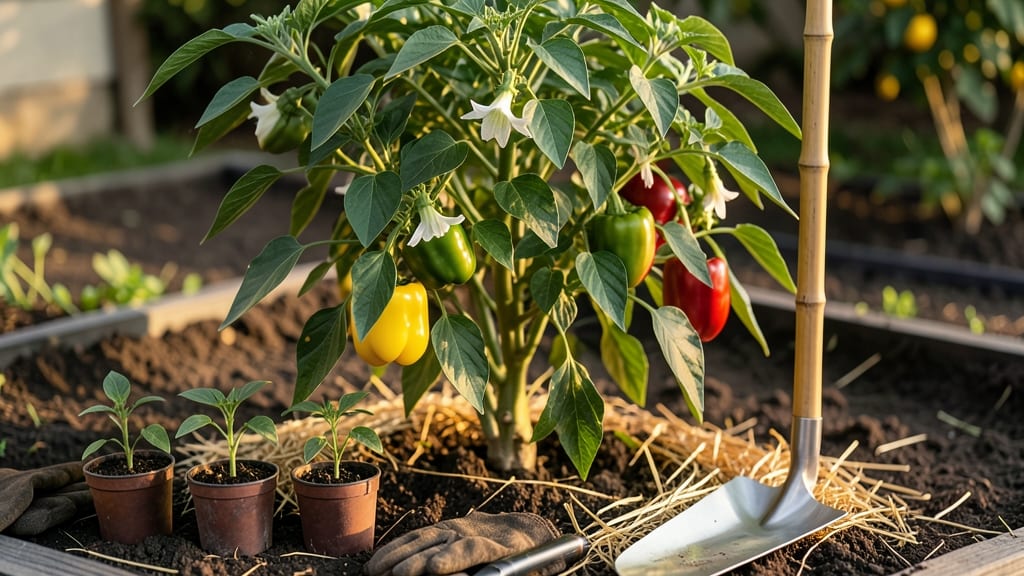
Timing your bell pepper 🌶️ planting in Arizona isn’t just about the calendar—it’s about outsmarting the desert’s brutal heat to avoid bolting and wasted harvests.
Plant too soon, and your seedlings will fry before they even get a chance to thrive; too late, and you’ll miss the sweet spot for fall harvests when temperatures finally cooperate.
Most gardeners in USDA Zone 9b know the struggle: the February-March window is your best shot for spring planting, but even then, soil temperatures must hit at least 60°F to prevent stunted growth.
The key isn’t just the date—it’s understanding how microclimates (like Phoenix’s urban heat islands vs. Tucson’s high-desert air) change the game.
I’ve grown bell peppers in Arizona for years, and the difference between a bountiful harvest and a bolting disaster comes down to three critical factors: soil prep, watering discipline, and choosing heat-tolerant varieties like ‘NuMex Sandia.’
Let me walk you through the exact schedule and tricks that work in the Southwest’s extreme climate.
Ready to beat the heat and grow peppers that actually produce? You’ll learn when to start seeds indoors, how to stretch your harvest into fall, and the one mistake that kills 90% of Arizona gardeners’ pepper dreams—before they even notice it’s happening.
Optimal planting windows for Arizona bell peppers by region
Arizona’s diverse microclimates mean your bell pepper planting schedule depends heavily on where you live. The Valley of the Sun (Phoenix) swelters earlier than high-desert Tucson, while Yuma’s extreme heat demands even earlier starts.
Let’s break down the ideal transplanting windows for each region to avoid bolting or heat stress.
For Phoenix and surrounding low desert (USDA Zone 9b-10a), your last frost date is typically January 15, but soil temperatures must reach at least 60°F before planting.
This usually happens by mid-February. Transplant bell pepper seedlings between February 15 and March 15 for a spring harvest from May to June.
In Tucson and Flagstaff’s high desert (Zone 7b-9a), cooler nights delay soil warming. Aim to transplant March 1 to April 15 after the last frost risk passes. Yuma’s extreme heat (Zone 10a) allows for earlier planting—transplant January 20 to February 15 for a spring harvest before summer’s peak.
🌱
| Region | USDA Zone | Transplant Window | Soil Temp Threshold | Harvest Window |
|---|---|---|---|---|
| Phoenix | 9b-10a | Feb 15 - Mar 15 | 60°F+ | May - June |
| Tucson | 7b-9a | Mar 1 - Apr 15 | 65°F+ | June - July |
| Yuma | 10a | Jan 20 - Feb 15 | 60°F+ | April - May |
| Flagstaff | 7b | Apr 15 - May 1 | 70°F+ | July - Aug |
For fall planting, Arizona gardeners can push harvests into October or November by transplanting August 1 to September 15. This works best in higher elevations like Flagstaff, where nights cool faster. In Phoenix and Tucson, aim for late August to avoid 100°F+ soil, which stresses seedlings.
💧 Pro Tip: Use a soil thermometer to confirm temperatures before planting. Bell peppers won’t germinate well below 60°F, and transplants struggle above 90°F without shade.
If you’re starting seeds indoors, begin 8-10 weeks before your target transplant date. For Phoenix, that means mid-December to early January for spring planting. Use grow lights to supplement Arizona’s short winter days, ensuring seedlings get 12-14 hours of light daily.
🌿 Microclimate Adjustments: Urban areas like Scottsdale heat up faster than rural spots. If your garden is paved or surrounded by concrete, plant 1-2 weeks later to avoid heat stress. Conversely, shaded or windy areas can handle earlier planting.
For container gardening, adjust your schedule by 1-2 weeks earlier—pots heat up faster than soil. Use black plastic mulch to warm soil 5-10°F faster in spring, or white mulch to reflect heat in summer.
✂️ Hardening Off: Acclimate seedlings to Arizona’s intense sun 1 week before transplanting. Start with 2-3 hours of shade daily, then gradually reduce shade over 5-7 days. Skip this step, and your pepper plants will sunburn within hours.
How to avoid bolting: heat management tips for Arizona bell pepper success
Bell peppers in Arizona’s 100°F+ heat often bolt—prematurely flowering—before producing sweet, plump peppers. This happens when plants sense heat stress as a signal to reproduce. The key to avoiding bolting? Strategic heat management from planting to harvest.
Start by choosing heat-tolerant varieties like ‘NuMex Sandia’ or ‘Jupiter,’ which handle Arizona’s climate better than standard types. These varieties can withstand 90-105°F days without bolting, giving you a longer harvest window.
Once planted, shade cloth becomes your best friend. Use 30-50% shade cloth during peak afternoon heat (12 PM–4 PM) to lower leaf temperatures by 10-15°F. Secure it 3-4 feet above plants to allow airflow and prevent fungal issues.
Pair this with drip irrigation—watering at the base—rather than overhead sprinklers, which cool leaves but also invite disease risks like powdery mildew. Aim for deep watering every 2-3 days to encourage strong root growth, which helps plants regulate their own temperature.
🌶️ Heat Management Pros & Cons
• Use 30-50% shade cloth
• Water deeply at soil level
• Mulch with straw (2-3 inches)
• Choose heat-tolerant varieties
• Overhead water in heat
• Skip mulching (leads to soil temp spikes)
• Plant standard varieties in summer
• Ignore wilting signs (act fast!)
Mulching is another critical step. Apply 2-3 inches of straw or wood chips around plants to keep soil temperatures 5-10°F cooler than bare ground. This also reduces evaporation, so you’ll water 30% less while keeping roots hydrated. For extra protection, try reflective mulch (like aluminum foil sheets) in early summer—this bounces sunlight away and can add 5-8°F of shade to the plant canopy. Just ensure it doesn’t touch leaves to avoid burns.
Monitor your plants for early bolting signs: tall, leggy stems with small flowers but no fruit. If you spot this, prune aggressively—cut back flowering stems to redirect energy to fruit production. For severe cases, consider removing bolting plants entirely to save resources for healthier ones.
Pair this with a light fertilizer (5-10-10 NPK) every 4-6 weeks during spring/fall, but skip fertilizing in summer—too much nitrogen accelerates bolting.
Finally, time your harvests to avoid peak heat. In Arizona, aim to finish harvesting by late June for spring plantings or early October for fall crops.
If you’re pushing for a late-summer harvest, use row covers to extend the season by 2-3 weeks, but remove them during the day to prevent overheating. With these strategies, you’ll minimize bolting by 70-80% and enjoy sweet, homegrown bell peppers all season long.
Pro tip: Keep a gardening journal to track which varieties and methods work best in your specific Arizona microclimate. Over time, you’ll refine your approach—and your harvests will thank you! 🌱