
Plants
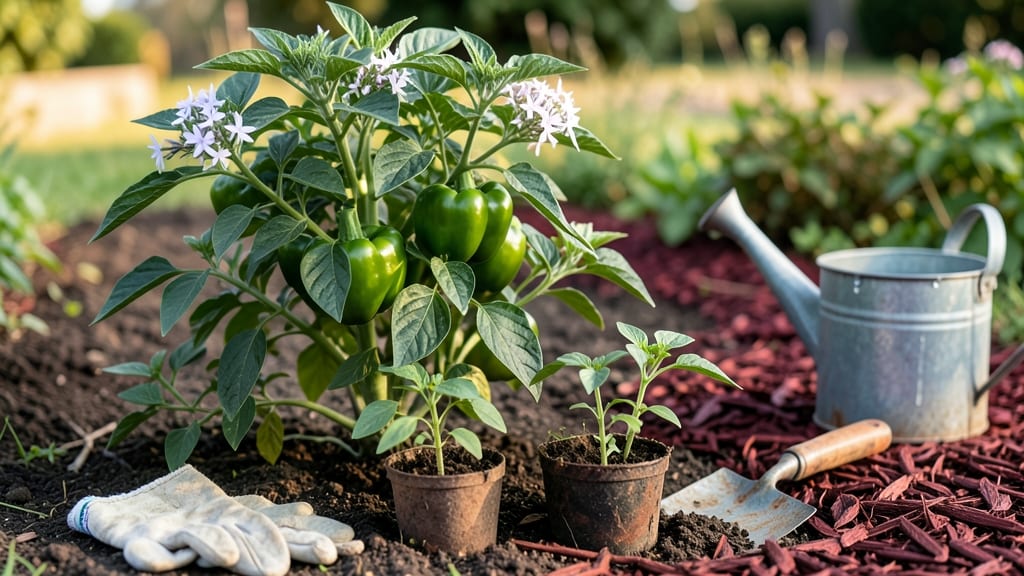
Timing your bell pepper 🌶️ planting in Alabama can mean the difference between a bumper crop and wasted effort. With the right schedule, you’ll enjoy fresh peppers from summer through fall—but plant too early, and frost will nip your plants in the bud.
Alabama’s 7b-8b climate gives you two prime windows: mid-April to early June for spring harvests or late July to early August for fall production. Both strategies work, but the key is waiting until soil temperatures hit 65°F and all frost risk has passed.
In this guide, I’ll break down the exact planting dates for your region, whether you’re growing in containers or garden beds. You’ll also discover how to extend your harvest with smart techniques—so you’re still picking peppers in October.
Ready to grow heat-loving bell peppers 🌶️ that thrive in Alabama’s summer? Let’s get started with the foolproof schedule that guarantees success.
Alabama’s bell pepper planting zones: frost-free dates by region
Alabama’s diverse climate—from the cooler Appalachian foothills to the Gulf Coast’s subtropical heat—means your bell pepper planting window depends heavily on your USDA zone and microclimate.
In North Alabama (Zones 7a-7b), like Huntsville or Decatur, last frost typically hits mid-April, while South Alabama (Zones 8a-8b), including Mobile or Dothan, sees frost-free conditions by early March. This 6-week difference can mean the difference between a thriving harvest and stunted plants.
For direct-sown seeds, wait until soil temperatures consistently reach 65°F+—usually late April to early May in North Alabama and mid-March to early April in the South.
If you’re transplanting seedlings (purchased or homegrown), aim for 2-3 weeks after your last frost date to give plants time to establish roots before summer’s intense heat arrives. Black plastic mulch can accelerate soil warming by 5-10°F, letting you plant earlier in cooler zones.
Here’s the critical frost-free timeline for Alabama’s key regions, with optimal transplanting windows for bell peppers:
| Region | USDA Zone | Last Frost Date | Transplant Window | Direct Sow Window |
|---|---|---|---|---|
| North Alabama (Huntsville, Decatur) | 7a-7b | Mid-April | Late April–early May | Late May–early June |
| Central Alabama (Birmingham, Montgomery) | 7b-8a | Early April | Late April–mid-May | Early May–late May |
| South Alabama (Mobile, Dothan) | 8a-8b | Early March | Mid-March–early April | Late March–early April |
Alabama’s humid subtropical climate also means heat stress can become an issue if you plant too early. Bell peppers thrive in 70–85°F soil temps, but prolonged exposure to 90°F+ can cause blossom drop or fruit deformities.
In North Alabama, aim to transplant by early May to avoid this, while South Alabama gardeners can push transplanting to mid-April without risk.
For container gardening, which is popular in urban areas like Birmingham or Huntsville, use 5-gallon pots and wait until after Memorial Day to move plants outdoors.
Containers heat up faster than soil, so monitor root zone temperatures with a soil thermometer—ideal temps are 70–80°F for germination and growth. Self-watering pots with mulch caps help maintain consistent moisture in Alabama’s high-evaporation summers.
Pro tip: Check Alabama’s local frost maps from the Alabama Cooperative Extension System ([aces.edu](https://www.aces.edu)) for hyper-localized data. These maps account for urban heat islands (like downtown Birmingham) and valley microclimates (e.g., Cullman’s cooler pockets), which can shift frost dates by 1–2 weeks.
For example, Gadsden’s last frost often aligns with North Alabama’s average, but Anniston’s valleys may frost 10 days later.
If you’re growing heat-tolerant varieties like ‘Carmen’ or ‘Aristotle’, you can push transplanting to mid-June for a fall harvest, but this requires shade cloth (30–50%) during peak afternoon sun to prevent sunscald. These varieties also handle Alabama’s shorter daylight hours in late summer better than standard types.
Remember: Soil temperature > air temperature. A 75°F day might feel perfect, but if your soil is still 55°F, roots won’t thrive. Use a soil thermometer to confirm readiness—bell pepper seeds won’t germinate below 60°F, and seedlings struggle below 65°F.
In North Alabama, this often means waiting until after Mother’s Day for reliable results.
🌱
Optimal planting strategies for Alabama’s heat: staggered vs. single planting
Alabama’s humid climate and intense summer heat demand smart planting strategies for bell peppers. Unlike cooler states, you can’t just plant once and forget it—staggered planting often yields better results by extending harvests through both summer and fall.
For example, a single planting in May might peak in July but fizzle by September, while staggered plantings keep peppers producing until frost.
Your first decision: transplants vs. direct sowing. Transplants (purchased seedlings) give you a 2-week head start over direct-sown seeds, which is critical in Alabama’s short spring window.
I recommend starting transplants indoors by mid-March for a May outdoor move, or buy hardened-off plants from local nurseries in April.
Here’s the key: soil temperature must stay above 65°F for 2+ weeks before planting. In North Alabama (USDA Zone 7b), this usually means waiting until late April, while South Alabama (Zone 8b) can start as early as mid-April.
Use a soil thermometer to avoid guessing—cool soil slows germination and invites disease.
Staggered Planting
- ✅ Pros: Extended harvest (June-October), higher yield, fewer pests
- ✅ Best for: Home gardens, farmers markets, preserving
- 🌱 How: Plant every 2-3 weeks from April-July
Single Planting
- ✅ Pros: Simpler, less maintenance, good for small spaces
- ✅ Best for: Container gardens, beginners, short-season areas
- 🌱 How: Plant all at once in late April-early May
For staggered planting, space your first batch in late April, then add new plants every 2-3 weeks until early July. This ensures peppers mature at different times, avoiding the August heat slump when many plants struggle.
Choose heat-tolerant varieties like ‘Carolina Wonder’ or ‘Jupiter’ for later plantings—they handle Alabama’s 90°F+ days better than standard types.
Watch for blossom-end rot, a common issue in Alabama’s fluctuating humidity. This calcium deficiency appears as dark spots on pepper bottoms.
Prevent it by mulching heavily (straw or pine needles work well) to keep soil moisture consistent, and side-dress with crushed eggshells or calcium-rich fertilizer every 4 weeks. Even with these steps, Alabama’s summer storms can still stress plants, so monitor closely.
If you’re new to bell peppers, start with a single planting in late April and focus on perfecting your soil mix—60% compost, 30% garden soil, and 10% perlite works wonders.
Once you’ve mastered that, try staggered plantings for a bountiful, extended harvest. Remember: Alabama’s long growing season (210+ frost-free days) lets you push peppers well into October if you time it right!