
Plants
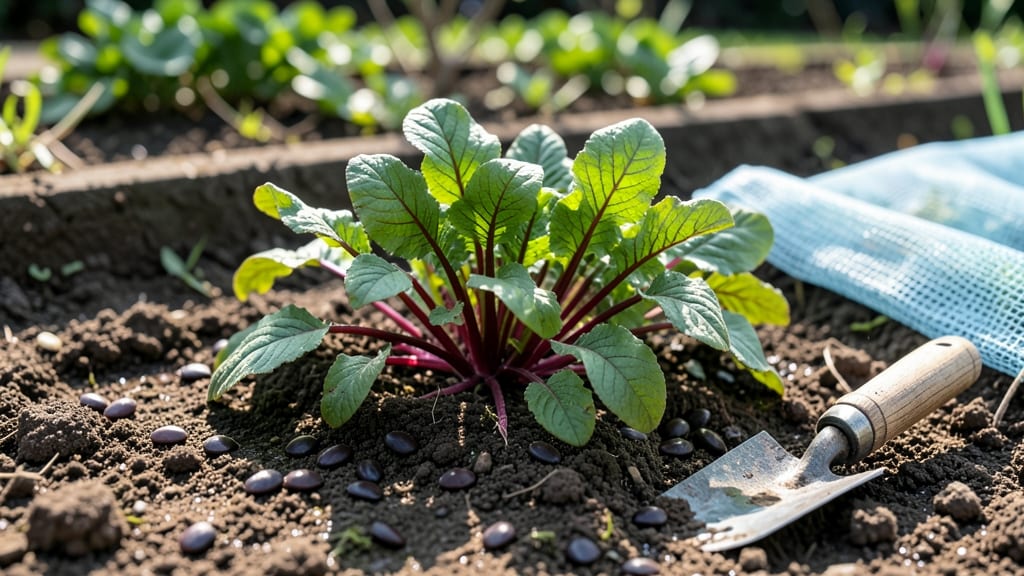
Timing your beet 🍠 planting in Seattle can mean the difference between a sweet, tender harvest and bitter disappointment—because those cool, damp summers have a way of throwing off even the most experienced gardeners.
If you've ever watched your beets bolt into flower prematurely or struggle with slow growth, you're not alone. Seattle's USDA Zone 8a climate demands a careful balance between early spring starts and late-summer succession plantings to avoid common pitfalls like woody roots or stunted growth.
I've spent years perfecting the timing for zero-bolt beets here, and what works for most gardeners is a two-season approach: early spring (March to April) and late summer (August to September).
Let me walk you through the exact planting windows, soil prep secrets, and variety choices that will give you consistent harvests from May through October—no matter where you are in the city or its surrounding areas.
Seattle beet planting calendar: exact months to avoid bolting
Seattle’s cool, wet springs and mild summers create a narrow window for planting beets without triggering bolting (premature flowering). The key is planting when soil temperatures stay between 50°F and 75°F, avoiding both frost and heat stress.
For USDA Zone 8a/8b, this means two ideal planting periods: early spring and late summer.
Bolting happens when beets experience temperature swings or drought stress. In Seattle, this often occurs in late spring when days warm up but nights remain chilly. By sticking to the optimal planting calendar, you’ll grow sweet, tender roots instead of bitter, flowering stalks.
Here’s your Seattle beet planting timeline, broken down by season with frost dates and soil prep tips:
| Season | Planting Window | Soil Temp | Frost Risk | Action Steps |
|---|---|---|---|---|
| Early Spring | Early March – Mid-April | 50°F–60°F | High (last frost: March 15) | Start seeds indoors 4–6 weeks before last frost. Harden off seedlings before transplanting after April 1. |
| Late Spring | Mid-April – Early May | 60°F–70°F | Low | Direct sow seeds 1/2 inch deep in well-drained soil. Use row covers if nights dip below 45°F. |
| Summer (Risky) | June – July | 70°F–80°F | None | Avoid planting unless using shade cloth and daily watering. Bolting likely. |
| Late Summer | August – Early September | 60°F–75°F | Low (first frost: Nov 15) | Best second planting! Sow seeds 8–10 weeks before first frost for fall harvest. |
| Fall | Mid-September – Late October | 50°F–65°F | High (risk after Nov 1) | Plant cold-hardy varieties (e.g., Detroit Dark Red) 6–8 weeks before frost. Mulch heavily. |
For spring plantings, focus on early March starts indoors to beat Seattle’s chilly, wet soil.
Use a seedling heat mat if soil temps linger below 50°F. In late summer, aim for August sowings—this avoids the heat stress of July while giving roots time to mature before frost.
Pro tip: Test soil temperature with a soil thermometer before planting. Beets won’t germinate well below 50°F, even in Seattle’s mild climate. If your soil runs cooler, wait until mid-April for direct sowing.
Seattle’s Pacific Northwest microclimates can shift planting windows by weeks. Urban areas like Ballard or Fremont may warm up faster than rural spots near Everett. Monitor local weather forecasts and adjust your timeline accordingly.
Once planted, consistent moisture is critical. Beets are 90% water—let soil dry slightly between waterings to prevent bolting. In Seattle’s drizzly summers, supplement with 1 inch of water weekly.
Harvest your beets before roots reach 3 inches for maximum sweetness. In Seattle, this typically means May–June for spring plantings and September–October for fall crops. Don’t wait too long—woody roots lose their tender texture.
🌱
How Seattle's coastal microclimates affect beet planting success
Seattle’s maritime climate creates microclimates that can shift beet planting success by weeks—especially between urban areas and rural zones near Puget Sound. Wind exposure and temperature fluctuations near water mean your neighbor’s perfect timing might not work for your garden.
Understanding these variations helps you adjust planting windows for bolting-free harvests.
Urban gardens like Ballard or Fremont often experience warmer microclimates due to concrete heat absorption, while rural areas near Lake Washington stay cooler longer. This means urban gardeners can start 2-3 weeks earlier in spring without bolting risks, while rural growers should delay until soil warms consistently above 50°F.
Wind patterns along the Puget Sound shoreline create another challenge—exposed gardens dry out faster, forcing more frequent watering. Sheltered spots (like behind fences or buildings) maintain moisture better, extending your planting window by 10-14 days compared to wind-blasted areas.
| Microclimate Type | Spring Planting Window | Fall Planting Window | Key Adjustments |
|---|---|---|---|
| Urban (Ballard, Fremont) | Mid-March to early May | Late July to mid-September | Start earlier; mulch for moisture |
| Rural (Lake Washington) | Late March to mid-April | Early August to late September | Wait for soil >50°F; extend row covers |
| Wind-Exposed (Shore Areas) | Late March to early April | Mid-August to early September | Use windbreaks; water daily |
| Sheltered (Backyard Gardens) | Early March to mid-May | Late July to mid-October | Longest window; ideal for succession |
For Puget Sound-adjacent gardens, I recommend monitoring water temperature—when it hits 55°F, it’s a sign your soil is ready for spring planting. Use row covers in windy areas to protect seedlings from drying out, which can trigger bolting even in cool weather.
In elevated urban spots, like rooftop gardens, plant 1-2 weeks later than ground-level areas—they heat up faster and dry out quicker. Always check soil temperature with a soil thermometer before planting; beets need consistent warmth to thrive.
Pro tip: Succession plant every 2 weeks in spring and fall to extend harvests. In Seattle’s climate, this means 6-8 plantings per season—perfect for continuous fresh beets from May through October.