
Plants
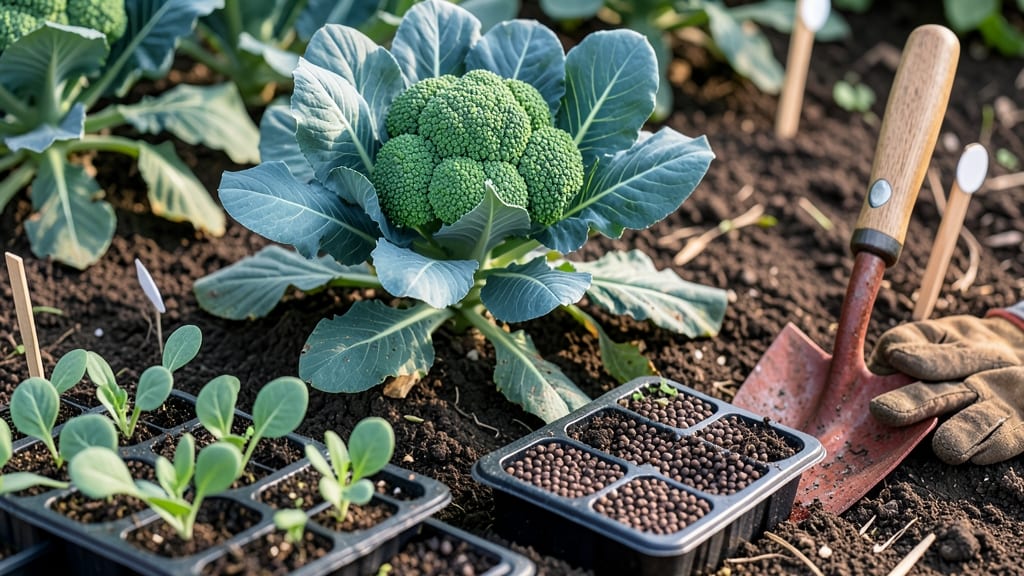
Knowing when to plant broccoli in Seattle can mean the difference between a thriving garden and a sad, frost-bitten disappointment. Seattle’s coastal climate—with its chilly springs and unpredictable frosts—demands precision, but get it right, and you’ll enjoy fresh, homegrown 🥦 from June through November.
The key is timing those seedlings just right: too early, and you’ll face frost damage; too late, and your harvest shrinks before summer’s short window closes.
With Seattle’s USDA Zone 8a and its 165 frost-free days, your best bets are planting in late March to mid-April for a spring crop or August to early September for fall. But don’t worry—this guide breaks down exactly how to sync your planting with Seattle’s quirks.
You’ll also discover how to stretch your growing season with shade cloth, cold-hardy varieties, and smart succession planting. Whether you’re working with a backyard plot or containers on your balcony, these strategies ensure your broccoli thrives despite Seattle’s cool, wet summers and damp winters.
Ready to avoid common pitfalls like overwatering or planting too late? Let’s dive into the exact steps to maximize your harvest—without the guesswork.
Best planting windows for broccoli in Seattle’s microclimates
Seattle’s cool, maritime climate creates unique challenges for growing broccoli. Unlike inland areas, coastal zones like West Seattle experience milder winters but delayed spring warming due to ocean breezes.
To maximize your harvest, I’ve broken down the optimal planting windows based on Seattle’s last frost date (March 15) and first frost date (October 15), with adjustments for microclimates.
For spring planting, aim to start seeds indoors 4-6 weeks before your last frost date—around February 15. Transplant seedlings outdoors March 15-April 15, once soil temperatures reach 40°F (4°C). This timing ensures heads mature before summer heat stress sets in, typically by June-July.
Fall planting offers a second harvest opportunity in Seattle. Start seeds indoors August 1-September 1 for transplanting 10-12 weeks before first frost. By October-November, you’ll enjoy crisp heads before winter sets in. Coastal areas like Bainbridge Island can extend this window by 2-3 weeks due to warmer microclimates.
🌱 Seattle Broccoli Planting Summary
| Season | Planting Window | Key Considerations | Harvest Time |
|---|---|---|---|
| Spring | March 15-April 15 | Soil temp ≥40°F, full sun | June-July |
| Fall | August 1-September 1 | 10-12 weeks before frost | October-November |
| Coastal Adjustment | +2-3 weeks | Warmer microclimates | Extended harvest |
Seattle’s USDA Zone 8a allows for two full broccoli cycles annually, but timing is critical. Planting too early in spring risks bolt (premature flowering) from erratic warm spells, while late fall plantings may not mature before frost.
For container gardening, use 5-gallon pots and plant 2 weeks earlier than ground plantings to account for heat absorption.
Choose cold-hardy varieties like 'Waltham 29' or 'De Cicco' for Seattle’s climate. These tolerate light frosts and produce tight heads even in cooler conditions. Avoid heat-sensitive varieties like 'Calabrese', which struggle in Seattle’s brief summer heat.
Monitor soil temperature with a thermometer—broccoli roots thrive at 55-75°F (13-24°C). If spring soil stays cold, use black plastic mulch to warm it 2-3°F faster. For fall plantings, row covers protect young plants from early October chills.
Inland areas like Redmond can plant 1 week later than coastal zones due to warmer daytime temps. Test your microclimate by planting a trial row of fast-maturing 'Di Cicco' (50 days to harvest) to gauge your local conditions.
Never skip hardening off seedlings—Seattle’s windy coastal breezes can shock tender plants. Acclimate seedlings 7-10 days before transplanting by gradually exposing them to outdoor conditions, including wind and temperature fluctuations.
Pro tip: Mark your planting dates on a garden calendar with colored flags—blue for spring, orange for fall. This visual reminder prevents missed deadlines in Seattle’s fast-changing weather.
Best planting windows for broccoli in Seattle’s microclimates
Seattle’s coastal climate creates unique challenges for broccoli growers, with mild winters and cool summers that demand precise timing. The last frost date typically falls around March 15, while the first frost arrives by October 15.
To maximize your harvest, focus on two planting windows: early spring and late summer.
For spring planting, aim to sow seeds or transplant seedlings between March 15 and April 15. This gives your broccoli 60-80 days to mature before Seattle’s summer heat slows growth. Inland areas may have slightly earlier frost dates, allowing for 2-3 weeks earlier planting.
Fall planting is equally critical, with August 1 to September 1 being the ideal window. Planting too late risks frost damage before heads form, while starting too early may lead to bolting (premature flowering) due to long daylight hours.
🥦 Seattle Broccoli Planting Timeline
| Season | Planting Window | Key Considerations | Harvest Time |
|---|---|---|---|
| Spring | March 15 - April 15 | 4-6 weeks before last frost; use cold-hardy varieties like 'Waltham 29' | June - July |
| Fall | August 1 - September 1 | 10-12 weeks before first frost; protect from wind | October - November |
Seattle’s microclimates mean coastal areas stay cooler longer, while inland zones warm up faster. If you’re in a warmer microclimate, you can push spring planting to late April or start fall planting in early September.
Always monitor local frost forecasts—Seattle’s Puget Sound can delay frost by weeks compared to inland areas.
For container gardening, follow the same timing but use larger pots (12+ inches deep) to accommodate root growth. Containers warm up faster, so extend fall planting to September 15 if using black pots to absorb heat. Mulch heavily with straw or leaves to insulate roots during temperature swings.
Protect young seedlings from wind and rain using row covers or temporary cloches, especially in exposed coastal gardens. This simple step can double your survival rate during Seattle’s wet, windy springs. 🌱