
Plants
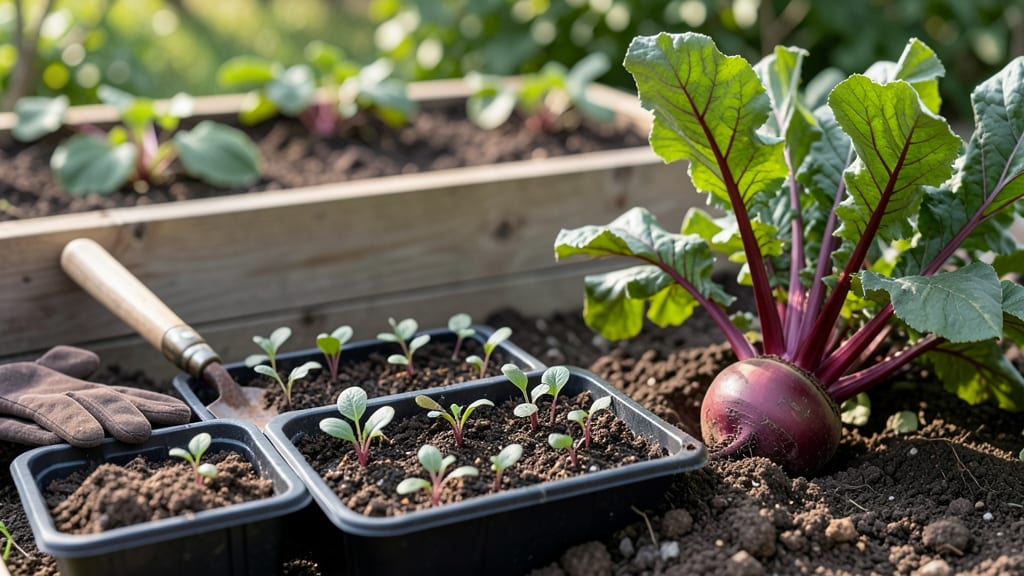
Timing your beet planting in Oregon can mean the difference between a garden full of tender 🥕 and a patch of bitter, woody roots—especially when coastal fog meets valley warmth.
The key to success lies in understanding your microclimate, whether you're in the Willamette Valley or the high desert, where frost dates shift dramatically.
Most Oregon gardeners plant beets in early spring (March-April) or late summer (July-August), but getting it wrong can lead to bolting greens or stunted growth.
I’ll break down the exact windows for your zone, so you can avoid common mistakes and enjoy sweet, harvest-ready beets by May-June or September-October.
Soil temperature plays a bigger role than you might think—too cold, and seeds won’t sprout; too hot, and beets bolt before you can harvest. I’ll share how to read your soil’s cues and adjust planting for coastal chill or valley heat, ensuring your 🥕 thrive year-round.
Ready to master Oregon beet growing? Let’s dive into the science-backed secrets that’ll turn your garden into a beet lover’s paradise—no guesswork required.
Best planting windows for Oregon beets by microclimate zone
Oregon’s microclimates create distinct planting windows for beets, where a 3-week difference in timing can mean the difference between tender roots and bitter greens. The Willamette Valley, coastal regions, and high desert all have unique frost dates and soil warmth patterns that dictate when to sow.
Let’s break down the ideal planting schedule for each zone to maximize your harvest.
For coastal Oregon, where fog lingers and soils stay cool, start seeds indoors 4-6 weeks before your last frost date (typically mid-March for most coastal areas). Transplant seedlings outdoors 2-3 weeks before the last frost, usually by early April.
Coastal gardeners often struggle with slow germination due to cold soils, so using black plastic mulch can warm the soil by 5-10°F and speed up sprouting.
In the Willamette Valley, where soils warm faster, direct-sow beet seeds 2-4 weeks before your last frost date (around late March). This zone’s milder winters and longer growing season also allow for a late-summer planting in July-August for a fall harvest.
The valley’s rich, loamy soil holds moisture well, reducing the risk of bolting during dry spells.
The high desert, including areas like Bend and La Grande, has a shorter growing season and hotter summers, which can cause beets to bolt prematurely. Plant seeds as early as February in protected microclimates or under row covers to take advantage of the early spring warmth.
Avoid planting after mid-June, as the intense summer heat will trigger bolting within weeks.
🥕 Oregon Beet Planting Schedule by Zone
| Zone | Last Frost Date | Ideal Planting Window | Soil Temp for Germination | Succession Planting? |
|---|---|---|---|---|
| Coastal | Mid-March | Early April - Mid-May | 50-55°F | Yes (every 2 weeks) |
| Willamette Valley | Late March | Late March - Early April + July-August | 55-60°F | Yes (spring + fall) |
| High Desert | Mid-April | February - Mid-June | 60-65°F | No (risk of bolting) |
Regardless of your zone, soil temperature is the most critical factor for successful beet germination. Use a soil thermometer to confirm your soil has reached the minimum 50°F needed for seeds to sprout.
Cold soils delay germination and invite rot, while soils warmer than 80°F can cause seeds to dry out before sprouting.
For succession planting, sow new seeds every 2-3 weeks during the spring planting window to ensure a continuous harvest. In the Willamette Valley, this means planting through mid-May, while coastal gardeners should stop by early June to avoid summer heat stress.
Always choose bolt-resistant varieties like ‘Detroit Dark Red’ or ‘Golden’ for longer harvest windows.
Protect young seedlings from pests like flea beetles and disease by using row covers or diatomaceous earth. In coastal areas, slugs can decimate seedlings overnight, so set out beer traps or use copper barriers for extra protection.
With the right timing and care, your beets will reward you with sweet, tender roots all season long.
Remember, Oregon’s unpredictable weather means flexibility is key. Keep an eye on frost forecasts and adjust your planting schedule accordingly. If a late frost threatens, cover seedlings with frost cloth or move pots indoors temporarily.
With these zone-specific tips, you’ll be well on your way to a bountiful beet harvest! 🌱
How soil temperature and day length affect beet growth in Oregon
Oregon’s long summer days and variable soil temperatures create a unique challenge for beet growers. Beets thrive when soil stays between 50°F and 85°F, but long daylight hours in late summer can trigger bolting—when beets send up flower stalks and become bitter.
Understanding these patterns helps you time plantings to avoid these pitfalls and maximize sweetness.
In spring, shorter days and cooler soil temperatures encourage steady root growth. As summer progresses, day length increases, and soil warms—both signals for beets to bolt. By late summer, you can exploit this by planting heat-tolerant varieties like ‘Chioggia’ or ‘Boltardy’ to extend harvests into fall.
Here’s how to use these factors to your advantage: Plant early (March–April) when soil is cool but warming, and succession plant in late July when days start shortening again. This two-pronged approach lets you harvest twice—once in early summer and again in fall.
| Season | Soil Temp (°F) | Day Length | Risk | Solution |
|---|---|---|---|---|
| Spring (March–April) | 50–65°F | 12–14 hours | Low bolting | Plant early varieties |
| Summer (June–July) | 70–85°F | 15–16 hours | High bolting | Use shade cloth |
| Fall (August–September) | 60–75°F | 13–14 hours | Moderate bolting | Plant bolt-resistant types |
For coastal Oregon, where soil stays cooler longer, focus on early spring plantings (February–March) and avoid summer sowings unless you use row covers to moderate temperatures. In the Willamette Valley, where summers are hotter, prioritize late July–August plantings to align with cooling soil and shortening days.
Pro tip: Monitor your soil’s warmth with a thermometer. Beets need consistent moisture during germination, so water lightly daily until sprouts appear. Once established, reduce frequency but increase depth to encourage root expansion.
By aligning your plantings with Oregon’s natural rhythms, you’ll avoid the heartbreak of bolted greens and enjoy a steady supply of sweet, tender beets all season long. 🌱