
Companion Plants
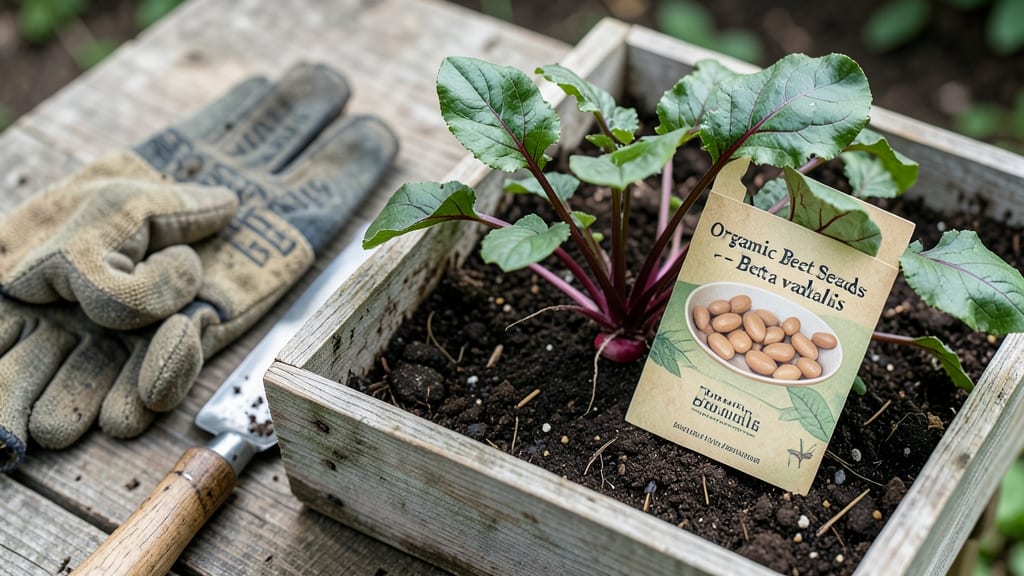
Knowing when to plant beets in Zone 6 can make the difference between a sweet, tender harvest and a bitter, disappointing one. These earthy roots love cool weather but bolt quickly when temperatures rise, so timing is everything.
Whether you're a seasoned gardener or just starting, getting this right ensures you'll enjoy fresh beets from spring through fall.
In Zone 6, your best bet is to sow seeds 4-6 weeks before your last frost date, typically between mid-March and early June for spring plantings. But don’t stop there—fall is just as important.
You can also plant from mid-July to mid-August for a late-season harvest before the first frost hits. The key is understanding your microclimate and adjusting accordingly.
Here’s what you need to know: beets thrive when soil temperatures stay between 45°F and 85°F, so planting too early or too late can lead to poor germination or tough roots.
I’ll walk you through the exact weeks to plant, how to prepare your soil, and even how to extend your harvest with succession planting. Let’s get those 🍠 growing!
Ready to avoid common mistakes like bolting or woody roots? I’ll share practical tips tailored for Zone 6’s climate, so you can enjoy a steady supply of homegrown beets all season long. Let’s dive in!
Zone 6 beet planting schedule: exact weeks before last frost for best results
Timing your beet seeds perfectly in Zone 6 means the difference between sweet, tender roots and bitter, woody failures. Beets are cool-season crops that thrive when soil temperatures stay between 45°F and 85°F, but they’ll bolt (go to seed) if exposed to prolonged heat or frost.
In Zone 6, where the last frost typically hits around April 15, your planting window is narrow but precise.
For a successful harvest, aim to sow beet seeds 4–6 weeks before your last frost date in spring and 8–10 weeks before your first frost date in fall. This translates to two key planting periods: early spring (March 15–April 15) and late summer (July 15–August 15).
Missing these windows can lead to stunted growth or premature bolting, especially in Zone 6’s transitional seasons.
Here’s the breakdown of your Zone 6 beet planting schedule, including soil temperature targets and frost-free calculations to maximize your harvest:
| Planting Window | Soil Temp | Weeks Before Frost | Harvest Window | Notes |
|---|---|---|---|---|
| Early Spring | 45°F–60°F | 4–6 weeks | May–July | Start seeds indoors 4 weeks before last frost for a head start. |
| Late Spring | 60°F–70°F | 2–4 weeks | June–August | Use shade cloth if temps exceed 75°F to prevent bolting. |
| Early Fall | 60°F–70°F | 8–10 weeks | September–October | Choose fast-maturing varieties for cooler fall soil. |
| Late Fall | 45°F–55°F | 10–12 weeks | October–November | Use row covers to extend harvest into early winter. |
Zone 6 gardeners in northern sub-zones (6a) should err on the earlier side, starting seeds by March 15 for spring and July 15 for fall.
Those in southern sub-zones (6b) can push the timeline slightly later, up to April 1 in spring and August 15 in fall, as their frost dates are slightly delayed. Always check your local USDA frost calendar for precision.
Pro tip: Use a soil thermometer to confirm temperatures before planting. Beets won’t germinate well in soil colder than 45°F, and they’ll bolt if soil temps exceed 80°F for more than a week. In Zone 6’s unpredictable spring, this tool is your best friend for avoiding wasted seeds.
For a continuous harvest, practice succession planting every 2–3 weeks during your ideal windows. This ensures you’re always pulling fresh beets instead of dealing with a glut all at once. Pair this with fast-maturing varieties (like ‘Babybeat’ or ‘Detroit Dark Red’) to stretch your harvest even further.
Remember, beets are hardy annuals, but they won’t tolerate frost. If a late spring frost threatens, cover seedlings with frost cloth or a lightweight row cover. In fall, use the same tactic to protect mature plants from early frosts, which can turn roots mushy.
By following this schedule, you’ll enjoy sweet, tender beets from late spring through early fall—with minimal risk of bolting or poor germination. And don’t forget: the greens are edible too, so you’re getting double the harvest!
Zone 6 beet planting schedule: exact weeks before last frost for best results
In Zone 6, beets love the cool soil of early spring and late summer, but timing is key to avoid bitter roots or poor germination.
The last frost date for most of Zone 6 is around April 15, but your exact date depends on microclimates—urban areas may frost later than rural spots.
For a sweet harvest, aim to plant 4-6 weeks before your last frost in spring and 8-10 weeks before the first frost in fall.
Beets are cold-hardy and can tolerate light frosts, but soil temperatures matter more than air temps. They germinate best when soil is at least 45°F (7°C). If you plant too early in cold, wet soil, seeds may rot.
Conversely, planting too late in spring risks bolting (going to seed) when days get long and hot. Let’s break down the perfect windows for your Zone 6 garden.
🌱 Zone 6 Beet Planting Timeline
| Stage | Action | Notes |
|---|---|---|
| Early Spring | Sow seeds 4-6 weeks before last frost (mid-March to early April) | Use row covers if nights are still chilly |
| Late Spring | Sow every 2 weeks until June 1 | Prevents bolting from heat |
| Late Summer | Sow seeds July 15–August 15 | Avoid planting after August 20 for harvest before frost |
| Harvest Window | Harvest May–September (spring) or September–October (fall) | Pick when roots are 1–3 inches in diameter |
For Zone 6a (colder sub-zone), push spring planting back to late March to avoid frost damage. In Zone 6b (warmer), you can start as early as mid-February under row covers.
Always check your local frost-free date—some Zone 6 areas (like parts of Ohio or Missouri) may have later frosts than others.
Pro tip: Use succession planting every 2 weeks in spring to stagger harvests. This ensures a steady supply of fresh beets and reduces the risk of bolting. In fall, focus on heat-tolerant varieties like ‘Detroit Dark Red’ to extend your harvest window.
Mulch with straw to keep soil cool and retain moisture during hot summer days.
If you’re unsure about your last frost date, err on the side of caution. Beets are forgiving if planted slightly late, but early planting risks poor germination. For a foolproof method, use a soil thermometer—wait until soil reaches 50°F (10°C) before sowing seeds.
This small tool can save you from wasted effort and bitter harvests.
Remember, beets are biennial, meaning they’ll bolt and go to seed in their second year if left in the ground. In Zone 6, this usually happens in late summer, so plan to harvest before then or replant for a fresh crop.
With the right timing, you’ll enjoy sweet, tender beets from spring through fall!