
Plants
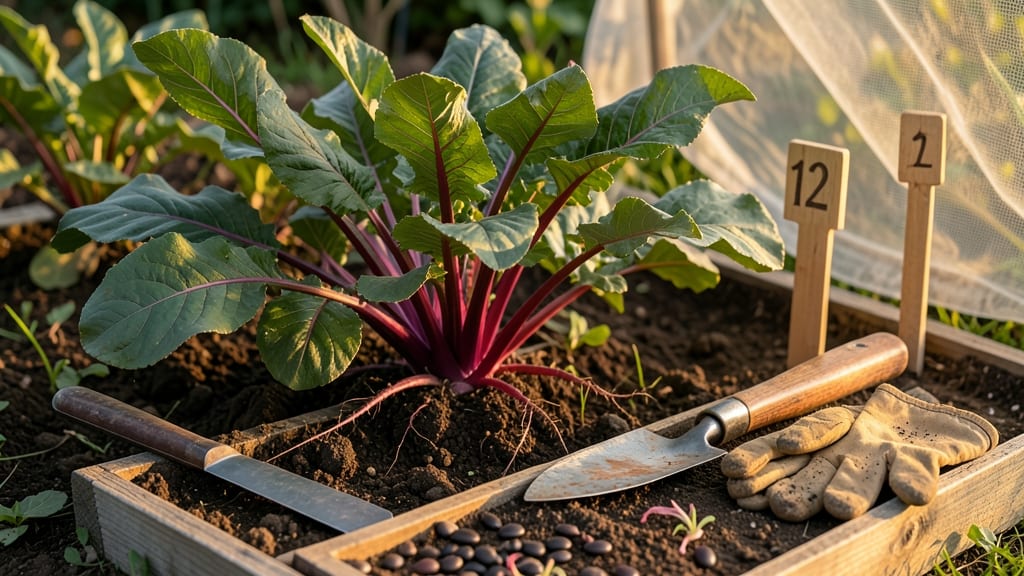
If you’ve ever wondered when to plant beets in Arkansas for a harvest that’s sweet, tender, and free of woody surprises, timing is your secret weapon. The 7a-8b climate gives you two prime windows—spring and late summer—but getting it wrong means bolting plants or stunted growth.
I’ve grown beets in Arkansas for years, and the difference between a crisp May harvest and a bitter August failure often comes down to a few key dates. Skip the guesswork: Plant in early spring (March–April) or late summer (July–August) to align with soil warmth and avoid summer’s scorching heat.
This isn’t just about throwing seeds in the dirt—it’s about working with Arkansas’ 210 frost-free days to stretch your harvest from spring to fall. Whether you’re a beginner or a seasoned gardener, I’ll break down the exact months, soil prep tricks, and spacing secrets to maximize your yield.
Ready to grow beets that rival the market’s best? Let’s dive into the planting schedule that’ll have you pulling perfectly sized roots all season long.
Optimal Arkansas beet planting calendar by season (zone 7b)
Arkansas's USDA Zone 7b climate offers two prime windows for planting beets: early spring and late summer. These timing strategies help avoid frost damage in spring and bolting from summer heat. Let's break down the perfect schedule for your Arkansas garden.
For spring plantings, aim to sow seeds 2-3 weeks before your last frost date—typically around mid-March in most of Arkansas. This timing ensures seedlings emerge when soil temperatures reach 50°F (10°C), ideal for germination. In northern Arkansas, push planting to late March to avoid late frosts.
Summer plantings should occur 8-10 weeks before your first frost, usually in late July. This gives beets enough time to mature before temperatures drop. Fall-frost dates in Arkansas typically arrive by mid-November, so plan accordingly.
🌱 Arkansas Beet Planting & Harvest Timeline
| Season | Planting Window | Ideal Soil Temp | Harvest Window | Notes |
|---|---|---|---|---|
| Spring | Mid-March to April | 50-70°F (10-21°C) | May-June | Avoid late frosts |
| Summer | Late July-August | 60-75°F (15-24°C) | September-October | Use shade cloth if needed |
| Fall | Not recommended | N/A | N/A | Too risky for Zone 7b |
📅 Pro Tip: Use row covers for early spring plantings to protect seedlings from unexpected late frosts.
If you're growing baby beets or leafy greens, you can extend your planting window by 4-6 weeks later than the recommended schedule. These varieties mature faster and tolerate cooler temperatures better than standard beets.
For container gardening in Arkansas, start seeds indoors 4-6 weeks before your last frost date and transplant seedlings outdoors when soil temperatures reach 55°F (13°C). This method gives you an earlier harvest and helps avoid transplant shock.
Remember that soil temperature is more critical than air temperature for beet germination. Use a soil thermometer to confirm conditions—ideal temps should stay between 50-70°F (10-21°C) for consistent sprouting. In Arkansas's humid climate, keeping soil moist but not waterlogged is key to preventing seed rot.
One common mistake Arkansas gardeners make is planting beets too close to summer solstice (around June 21). By this time, daytime temperatures often exceed 85°F (29°C), causing beets to bolt prematurely. Instead, focus on late July plantings for your second crop.
For organic gardeners, incorporate compost into your soil 2-3 weeks before planting. Arkansas's clay-heavy soils benefit from amendments like sand or peat moss to improve drainage. Aim for a pH between 6.0-7.0 for optimal beet growth.
Finally, consider succession planting every 2 weeks during your primary planting windows. This strategy ensures a continuous harvest and prevents overcrowding. In Arkansas's short growing season, this approach maximizes your yield potential.
Optimal Arkansas beet planting calendar by season (zone 7b)
Arkansas's USDA Zone 7b climate gives you two prime windows to grow sweet, crisp beets: early spring and late summer. Timing matters—plant too early, and frost zaps tender seedlings; too late, and summer's 90°F+ heat makes them tough and woody. Let's break down the best months for each season.
For spring plantings, aim for mid-March to early April once soil temperatures hit 50°F+. This gives beets 60-70 days to mature before summer's heat sets in.
If you're in northern Arkansas, wait until after your last frost date (typically March 15), while southern regions can start as early as late February.
Summer heat stresses beets, but you can still grow them by planting late July to early August for a fall harvest. This timing lets them mature before first frost (November 15). Choose heat-tolerant varieties like 'Detroit Dark Red' or 'Golden' for better success.
| Season | Planting Window | Soil Temp | Days to Harvest | Harvest Time |
|---|---|---|---|---|
| Spring | Mid-March to Early April | 50°F+ | 50-70 days | May-June |
| Summer | Late July to Early August | 60°F+ | 50-60 days | September-October |
| Fall (Extension) | Early September | 55°F+ | 45-55 days | October-November |
Pro tip: Use a soil thermometer to check temperatures—beets need consistent warmth to germinate. If your soil runs cold, wait until it hits 50°F for at least 10 days before planting. Arkansas's clay-heavy soils can hold cold longer, so patience pays off!
For a continuous harvest, stagger plantings every 2-3 weeks in spring and 3-4 weeks in summer. This ensures you're always pulling fresh beets instead of dealing with a bolting mess all at once. Just remember: thin seedlings to 3-4 inches apart to avoid competition.
If you're new to Arkansas gardening, start small with 2-3 rows of your favorite variety. Try 'Babybeat' for quick harvests or 'Chioggia' for stunning striped roots. With the right timing, you'll enjoy homegrown beets from late spring to early fall—no grocery store needed!