
Plants
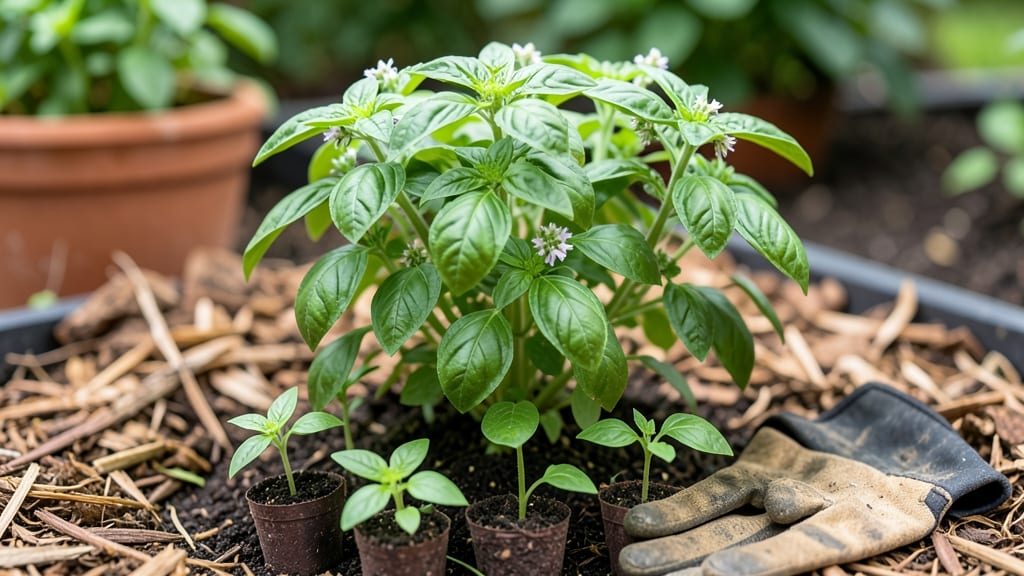
Timing your basil planting in Oklahoma can make or break your herb garden—because one late frost or scorching summer heat can turn your 🌿 dreams into a sad, wilted mess. If you’ve ever watched your basil bolt to flower or struggle under Oklahoma’s unpredictable 6b-7a climate, you know the stakes.
Here’s the hard truth: Planting too early risks frost damage, while waiting too long means your basil will fight through summer’s brutal heat. The sweet spot? Between April 15 and May 15, once soil temps hit 50°F and all frost danger has passed.
But Oklahoma’s microclimates mean your county’s exact window might differ by weeks—so let’s break it down.
You’ll discover how to align your planting with Oklahoma’s frost-free dates, avoid common pitfalls like overwatering in humidity, and even extend your harvest through summer’s heat. Whether you’re a beginner or a seasoned gardener, these step-by-step deadlines will keep your basil thriving from June through September.
Ready to grow basil that’s lush, flavorful, and actually survives Oklahoma’s extremes? Let’s get your planting schedule locked in—before the next frost sneaks up on you.
Oklahoma’s frost-free dates by county: best basil planting windows
Oklahoma’s USDA Zones 6b-7a create a unique challenge for basil growers—late frosts in spring and scorching summers demand precise timing. The average last frost date across most counties falls between March 15 and April 15, but your exact window depends on where you live.
Planting too early risks frost damage, while waiting too long may cut your harvest short before summer heat sets in.
Basil thrives with 60-90 days of warm weather, so aim to plant 4-6 weeks before your first expected frost in fall (typically October 1-November 15). However, Oklahoma’s unpredictable weather patterns mean checking your county’s frost data is essential.
For example, northwest Oklahoma (Zone 6b) has later frost dates than southeast Oklahoma (Zone 7a), which can be 2-3 weeks earlier.
Here’s the county-specific breakdown you need to time your basil perfectly, including ideal planting windows and harvest timelines based on local climate data.
For northern Oklahoma counties (Zone 6b), like Woodward or Beaver, basil’s short growing season means starting seeds indoors by March 1 and transplanting after May 1.
In contrast, southern counties (Zone 7a) can plant outdoors as early as March 20, giving you a longer harvest window through September.
Pro tip: Use row covers or greenhouses to extend your spring planting window by 2-3 weeks in cooler areas. This lets you start basil in late February for an earlier harvest. Just remove covers when nighttime temps stay above 50°F to prevent heat stress.
If you’re in central or southern Oklahoma, prioritize late spring planting (April 15-May 15
How to extend basil’s growing season in Oklahoma’s hot summers
Oklahoma’s summers can push temperatures past 95°F, turning your basil into a wilted mess if you’re not careful. Heat stress causes basil to bolt—sending up flower stalks and ruining that sweet, aromatic flavor we all love.
The key is proactive protection to keep your plants thriving until first frost in November.
Start by monitoring soil moisture—basil needs 1 inch of water per week, but Oklahoma’s heat evaporates it fast. Water deeply in the early morning to prevent fungal diseases from overnight humidity. Mulch with straw or shredded leaves to lock in moisture and keep roots cool.
🌿
⚠️ Heat Stress Warning
Basil wilts at 85°F+. If leaves turn yellow or crispy, it’s already too late for recovery. Act now with these fixes:
- Shade cloth: Use 30-50% shade during peak afternoon sun (12 PM–4 PM).
- Drip irrigation: Keeps soil evenly moist without wetting leaves (prevents mildew).
- Avoid nitrogen-heavy fertilizers: Switch to potassium-rich options to boost heat tolerance.
For container-grown basil, move pots to shadier spots or elevate them on brick stands to improve airflow. If your patio gets scorching afternoon sun, consider a lightweight row cover or even a DIY shade tent with cheesecloth. Just ensure it allows at least 50% light to prevent leggy growth.
Companion planting is another game-changer. Pair basil with tomatoes, peppers, or marigolds—these plants reflect heat and deter pests like aphids and squash bugs, which love stressed basil. Avoid planting near fennel or rue, which stunt basil’s growth.
By late summer, basil’s growth slows as days shorten. Pinch off flower buds to redirect energy into leaves, not seeds. If frost threatens in November, harvest leaves and pot up your healthiest plants to overwinter indoors near a south-facing window.
With these strategies, you’ll enjoy fresh basil from spring to fall, even in Oklahoma’s brutal summers. Just remember: consistent moisture + shade = happy basil!