
Plants
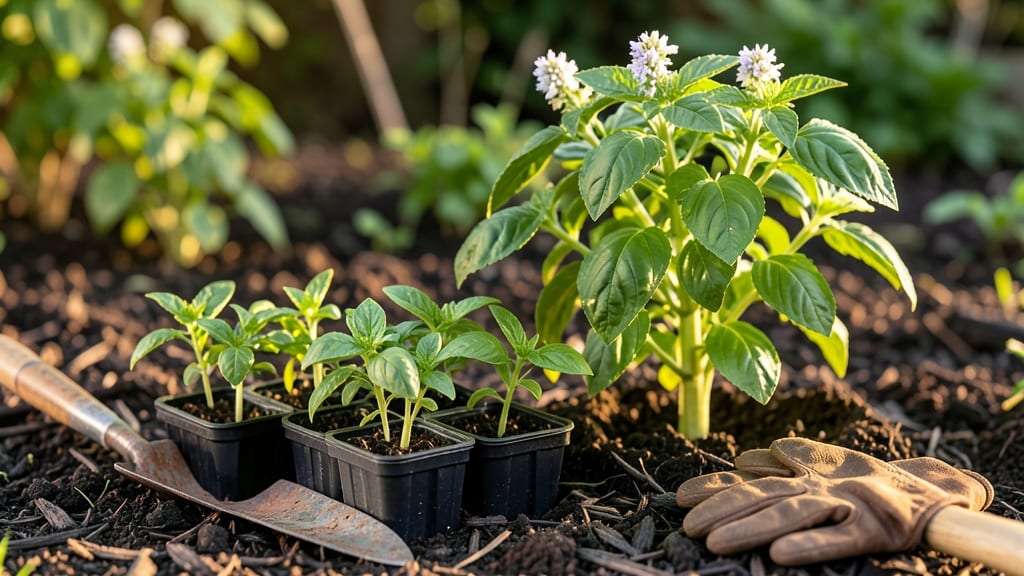
Planting basil in Missouri isn’t just about dropping seeds in the dirt—it’s about catching that perfect window between frost and summer heat, or you’ll end up with sad, stunted plants instead of fragrant 🌿 harvests. With USDA zones 5b-6b and unpredictable spring weather, timing matters more than you’d think.
Missouri’s last frost typically lingers around April 1, but rushing to plant before the soil warms to at least 50°F can spell disaster for basil.
Too early, and cold soil stunts growth; too late, and you might miss the June-September harvest season entirely. The key is balancing patience with opportunity.
Whether you’re starting seeds indoors or sowing directly in the garden, this guide will help you pinpoint the ideal planting dates for your specific zone. We’ll also cover smart strategies for extending your basil season—because in Missouri, where summers are short and winters are long, every extra week counts.
Ready to grow basil that’s bold, flavorful, and ready to harvest? Let’s dive into the exact dates, soil conditions, and pro tips to make your Missouri garden the envy of the neighborhood.
Missouri basil planting deadlines by USDA Zone (2024 guide)
Missouri's three USDA zones (5b, 6a, and 7a) create subtle but critical differences in last frost dates and soil warming. In Zone 5b (northern MO), you'll wait until April 20-May 5 for safe outdoor planting, while Zone 7a (southern MO) can start as early as April 1-May 15.
The key isn't just avoiding frost—it's ensuring soil temperatures reach at least 50°F for germination.
I've planted basil in both St. Louis (Zone 7a) and Kansas City (Zone 6a), and the difference is night-and-day.
In cooler zones, waiting 1-2 weeks past the average last frost gives your basil seeds the best chance to avoid cold damage while still having a long enough growing season for a full harvest before fall frosts.
Missouri Basil Planting Timeline by USDA Zone
| USDA Zone | Last Frost Date | Safe Planting Window | Soil Temp Threshold | First Frost Risk |
|---|---|---|---|---|
| 5b (North) | April 20 | April 20-May 5 | 50°F+ | High (Oct 15) |
| 6a (Central) | April 10 | April 15-May 10 | 50°F+ | Moderate (Oct 25) |
| 7a (South) | April 1 | April 1-May 15 | 50°F+ | Low (Nov 10) |
🌱 Pro Tip: Use a soil thermometer to confirm 50°F+ before planting—cold soil delays germination by 1-2 weeks.
Your local microclimate matters just as much as the USDA zone. Urban areas like Columbia (Zone 6b) often warm up 3-5 days faster than rural spots due to the heat island effect.
I've seen basil planted April 5 in downtown Columbia thrive while nearby farms struggled with late frosts until April 15.
For container gardening, you can push those deadlines even earlier. Black plastic pots absorb heat and can raise soil temperatures by 5-10°F, letting you plant 1-2 weeks sooner in Zone 5b.
Just move containers indoors (bright windowsill) if nights dip below 40°F. I've successfully grown basil in containers through late May frosts using this method.
Missouri's unpredictable spring weather means you should always have a backup plan. Keep seedlings indoors under grow lights until May 1, then transplant after May 15 for a guaranteed harvest. This two-phase approach saved my 2020 basil crop when a late April frost hit St. Louis unexpectedly.
Don't forget about fall planting! While spring is ideal, you can get a second harvest by sowing seeds August 15-September 1 in Zone 7a.
These late plants need full sun and consistent watering to mature before the first frost, but they'll reward you with flavorful leaves through October.
If you're in Zone 5b and worried about a short growing season, opt for fast-maturing varieties like 'Genovese' or 'Spicy Globe', which reach harvest in 30-40 days.
I've grown Genovese basil from seed to harvest in just 35 days by starting indoors in late March and transplanting after last frost.
For urban gardeners with limited space, succession planting every 2 weeks from April 15-May 15 ensures a continuous harvest through September. This method works especially well in community gardens where space is shared—just label your plants clearly to avoid mix-ups!
Remember: Basil hates cold. Even a single night below 45°F can stunt growth or trigger bolting. Use row covers or cold frames if you're pushing the limits of your zone's frost dates. I've used floating row covers to extend my Zone 6a season by 2-3 weeks without issues.
How to extend your basil season in Missouri (cold frames, containers & succession planting)
Missouri’s short growing season (just 165 frost-free days) can feel like a race against time for basil lovers. But with the right strategies, you can grow basil earlier in spring and later into fall—without risking frost damage or bolting.
The key is combining protective methods with smart planting techniques.
Cold frames and containers are your best tools for early starts. By creating a microclimate, you can coax basil seedlings to sprout 2-3 weeks before the official last frost date (April 1).
For fall harvests, succession planting ensures fresh leaves well into October, when most gardeners have already given up.
- Cold Frames: Start seeds in early March under protection. Soil warms faster than open ground, giving seedlings a head start.
- Containers: Move pots indoors at night or use heat mats to maintain 50°F+ soil temps during cool snaps.
- Succession Planting: Sow new seeds every 2 weeks from May to July for a continuous harvest.
For cold frames, choose a south-facing location to maximize sunlight. Clear plastic lids trap heat during the day but allow ventilation to prevent overheating. I’ve seen basil thrive in cold frames even when outdoor temps dip to 35°F—just monitor closely for condensation (a sign of fungal risks).
Containers offer flexibility for urban gardeners or those with poor soil. Opt for 5-gallon pots with drainage holes and fill with a light, well-draining mix. Place containers near a south-facing wall or on a heat-absorbing surface (like black plastic) to warm the roots faster.
Watering becomes critical—containers dry out 3x faster than in-ground beds.
Succession planting is my favorite trick for fall basil. In Missouri, you can push the season until mid-October by sowing every 2 weeks from late May through July.
Choose heat-tolerant varieties like Thai basil, which handles Missouri’s 90°F+ summers better than Genovese. Always pinch off flowers to redirect energy into leaves, not seeds.
Watch for signs of stress like yellowing leaves or stunted growth—these often mean your basil is too cold or too hot. In containers, roots can dry out quickly, so check soil moisture daily.
For cold frames, open vents on mild days to prevent heat buildup, which can cause bolting (when the plant flowers prematurely).
With these methods, I’ve extended my basil harvest from 6 weeks to nearly 6 months—far beyond Missouri’s typical growing window. The secret? Start early, protect from extremes, and keep planting until the soil cools below 50°F in fall. Your taste buds (and pesto recipes) will thank you! 🌿