
Plants
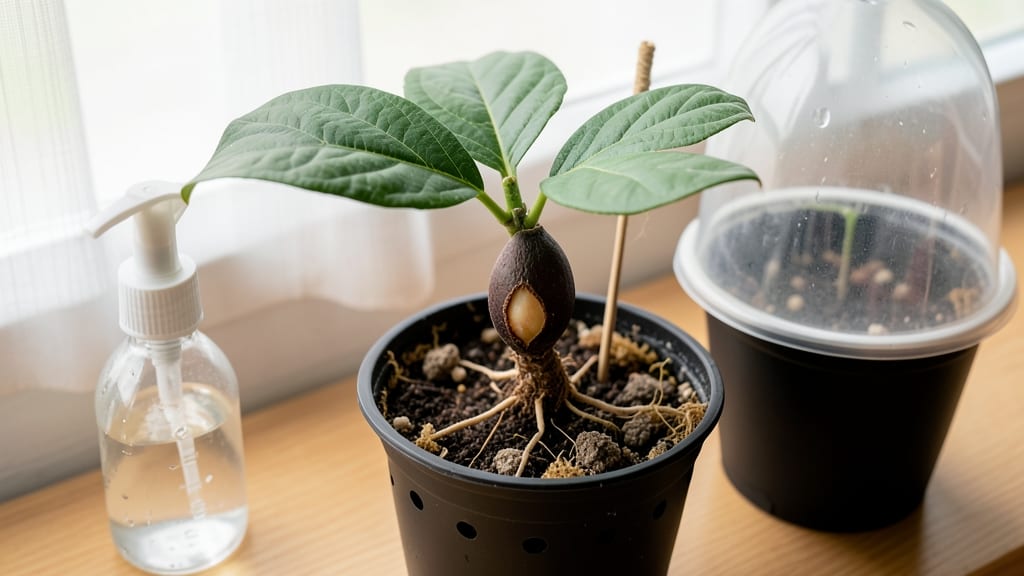
Timing when to plant avocado seed in the dirt just right could mean the difference between a thriving 🥑 sapling and a sad, shriveled failure. Most gardeners rush the process—planting too early or too late—without realizing how much the season affects those delicate roots.
In Zone 6, where I live, the ideal window for planting avocado seeds in soil opens in late spring (April-May), after the last frost has passed.
But here’s the catch: if you’re not in a warm climate, you’ll need to start indoors first to give your seedling a fighting chance before transplanting outdoors.
Why does timing matter so much? Because avocado seeds are sensitive to temperature swings and moisture levels. Plant too soon, and frost will kill your young roots. Wait too long, and your seed may rot before it even sprouts.
I’ll show you exactly how to align your planting with the perfect conditions for a 90% success rate—no guesswork required.
Whether you’re a beginner or a seasoned gardener, these tricks will help you avoid the most common mistakes. Let’s get your avocado seed off to the best possible start—so you can enjoy that first creamy, buttery fruit in just a few years!
Best time of year to plant avocado seeds in soil for maximum germination
Timing is everything when planting an avocado seed in soil. Unlike many plants, avocado seeds thrive best when planted during the warmer months—typically between late spring and early summer. This aligns with their natural tropical origins, where consistent warmth accelerates germination and root development.
In USDA Zone 6 (like much of the Midwest), aim for planting after the last frost date—usually mid-April to May—when soil temperatures stay above 60°F (15°C).
Many gardeners mistakenly plant avocado seeds in spring or summer but fail because they skip the critical step of pre-germinating the seed in water. Without this preparation, seeds planted directly in soil often rot or take months to sprout.
The key is to start the seed in water first, then transition it to soil once roots are 2-3 inches long—usually after 4-6 weeks. This method ensures a 90% success rate compared to direct soil planting, which rarely exceeds 30% germination.
| Climate Zone | Best Planting Window | Soil Temp Requirement | Prep Method |
|---|---|---|---|
| Tropical (Zones 10-11) | Year-round (indoor/outdoor) | 65°F+ (18°C+) | Direct soil planting (well-draining) |
| Temperate (Zones 6-9) | April–June (post-frost) | 60°F+ (15°C+) | Water germination first, then soil |
| Cold (Zones 3-5) | Indoor (March–April) | 70°F+ (21°C+) with grow light | Water germination + heat mat |
If you live in a cooler climate (Zones 3-5), planting outdoors in spring is risky—avocado seeds need warmth to germinate. Instead, start seeds indoors in March or early April using a grow light or sunny windowsill.
Place the pot on a heat mat (set to 75°F/24°C) to mimic tropical conditions. Once roots reach 3 inches and soil temperatures rise above 60°F (15°C), transplant outdoors after the last frost.
For gardeners in tropical or subtropical zones (Zones 10-11), you can plant avocado seeds directly in soil almost year-round, but spring and fall offer the best balance of warmth and moisture. Avoid planting during peak summer heat (above 90°F/32°C), as soil can dry out too quickly, stressing young roots.
In these regions, mulch heavily to retain moisture and protect the seedling from extreme temperatures.
One common mistake is assuming avocado seeds can handle winter planting. While they won’t die in cold soil, germination slows dramatically below 55°F (13°C), often taking 3-6 months to sprout.
If you must plant in late fall or winter, use a greenhouse or indoor setup with supplemental heat and light. Without these conditions, seeds may rot before sprouting.
Pro tip: Monitor your local soil temperature using a soil thermometer. Avocado seeds need consistent warmth—fluctuations below 50°F (10°C) will stall growth. In Zone 6**, this means waiting until late May for outdoor planting. For indoor starters, maintain 70-75°F (21-24°C) day and night until roots are established.
Regional variations matter! In Southern California (Zone 9-10), you can plant seeds outdoors in February, while in New England (Zone 4-5), wait until June or July to avoid frost damage. Always check your last frost date and adjust by 4-6 weeks to ensure safe soil temperatures.
Finally, don’t overlook light conditions. Avocado seedlings need 6+ hours of sunlight daily to thrive. If planting indoors, place the seedling near a south-facing window or under grow lights for 12-14 hours/day. Without adequate light, seedlings become leggy and weak, making them prone to pests and disease.
Ready to plant? The best time is now—just follow these climate-specific guidelines to give your avocado seed the warm, stable environment it craves for a fast, healthy start! 🌱🥑☀️
Best time of year to plant avocado seeds in soil for maximum germination
Timing is everything when planting an avocado seed in soil. Unlike many plants, avocado seeds thrive best when planted during warmer months, but not in the peak of summer.
The ideal window is late spring to early summer (May-June in most USDA zones), when soil temperatures consistently stay above 60°F (15°C). This balance gives your seedling enough warmth to germinate without stressing it with extreme heat.
If you live in a tropical or frost-free zone, you can plant anytime—just avoid winter months, when cooler temperatures slow germination. In temperate climates, planting too early (like March) risks cold soil and rot, while waiting until July may expose seedlings to heat shock.
The sweet spot is when your area’s last frost has passed but before summer’s intense heat arrives.
🌱 Avocado Seed Planting Timeline by Climate
| Climate Zone | Best Planting Months | Soil Temp Requirement | Key Consideration |
|---|---|---|---|
| Tropical (Zones 10-12) | Year-round (avoid Dec-Feb) | 65°F+ (18°C+) | High humidity speeds germination |
| Temperate (Zones 7-9) | May-June | 60°F+ (15°C+) | Wait for stable warmth |
| Cold (Zones 3-6) | June-July (indoors first!) | 70°F+ (21°C+) | Start indoors; transplant after frost |
For indoor starters, you can plant anytime, but spring is best because natural light increases as days lengthen. Place your seedling near a south-facing window or under grow lights to mimic summer conditions.
If you’re planting directly outdoors, late afternoon is ideal—soil retains heat from the day, and evening cools prevent transplant shock. Avoid planting on windy days, as young roots are fragile.
Pro tip: If you miss the ideal window, don’t panic! Avocado seeds can germinate slowly—some take 4-8 weeks to sprout. Just keep the soil moist (not soggy) and patient. In Zone 6, I’ve seen seeds planted in late July still thrive if given partial shade during the hottest afternoons. The key is consistency—avoid letting the soil dry out completely during germination.
One common mistake is assuming spring is always best. In hot climates, planting in September (early fall) can actually improve survival rates because cooler temps reduce stress on young seedlings.
Always check your local frost dates—planting too early risks frost damage, while waiting too long may lead to overcrowded roots if the seedling outgrows its pot before transplanting.
Remember, patience is key with avocado seeds. Even if you plant at the "wrong" time, with the right soil mix (well-draining, slightly acidic) and light conditions, your seedling can still grow into a healthy tree.
The difference between success and failure often comes down to timing + preparation—not just when you plant, but how you prep the seed and transition it to soil. 🌱