
Companion Plants
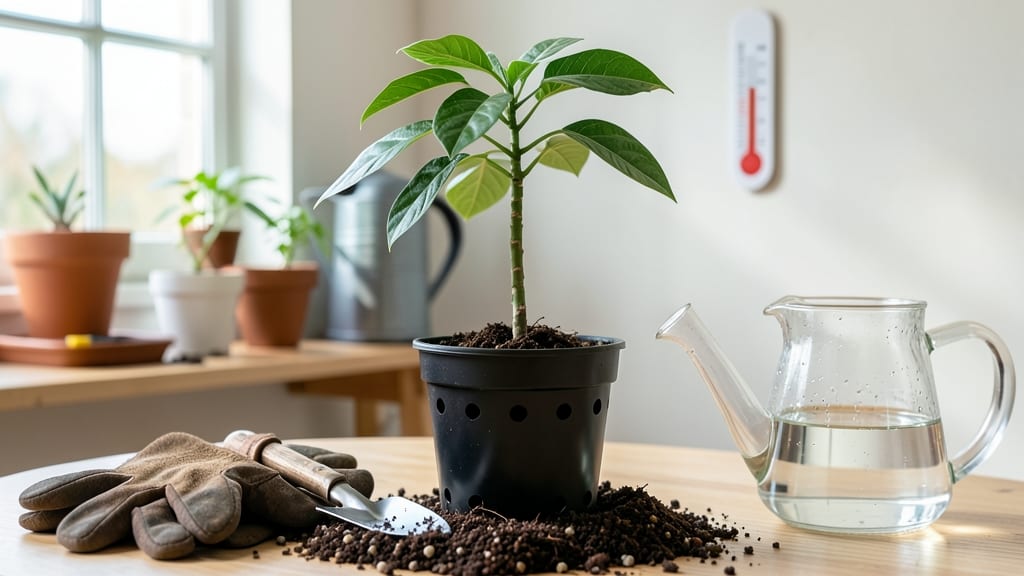
Wondering when you can plant your avocado seed in soil without risking rot or stunted growth? The answer depends on whether you're nurturing it indoors or braving the great outdoors—and timing it wrong could mean losing your tiny 🥑 Avocado Tree before it even takes root.
Most gardeners start their avocado seeds in water to encourage root growth, but the real magic happens when those roots hit soil. For USDA Zone 6a climates like mine, the sweet spot arrives after the last frost—typically by mid-May—when temperatures stay consistently above 60°F.
But here's the catch: if you're keeping your seedling indoors year-round, you can transplant it into soil anytime, as long as you mimic the warmth and humidity of its tropical origins. The key is watching for those 2-3 inch roots before making the move.
I’ll walk you through the exact signs to look for, soil prep tips, and how to avoid the 3 biggest mistakes that kill avocado seedlings before they even stand a chance. Let’s get those little roots growing strong!
Optimal germination timeline: when to plant avocado seed in soil
Avocado seeds need patience—typically 4 to 8 weeks to develop strong roots and a 2-3 inch sprout before transplanting. This window ensures your seedling has enough energy reserves to survive the shock of soil transition.
Rushing too soon risks root damage, while waiting too long may lead to overcrowded containers or fungal issues.
Start by monitoring your seed’s progress: roots should fill a glass of water (about 3-4 inches long) and the sprout should be sturdy and upright. These signs indicate it’s ready to move to soil.
In tropical climates (USDA Zones 10-11), you can transplant year-round, but temperate zones (6a-9b) should wait until after the last frost date (typically mid-May in most regions).
Here’s the key: avoid transplanting during extreme heat (above 90°F/32°C) or cold snaps (below 50°F/10°C). Avocado seedlings are sensitive to temperature fluctuations, so aim for 60-75°F (15-24°C) during the transition. If you’re in doubt, err on the side of waiting—your seedling will thank you with faster growth.
| Stage | Duration | Key Signs | Action |
|---|---|---|---|
| Root Growth | 2-4 weeks | Roots 1-2 inches long | Keep in water; change weekly |
| Sprout Emergence | 3-6 weeks | Shoot 1-2 inches tall | Add sunlight (no direct sun yet) |
| Transplant Ready | 4-8 weeks | Roots 3-4 inches; sprout 2-3 inches | Move to soil (after last frost) |
| Outdoor Hardening | 2-4 weeks | Healthy dark green leaves | Acclimate to sun gradually |
If you’re growing indoors, you can transplant anytime year-round, but outdoor planting should align with your local last frost date. For example, in Zone 7a, this is typically April 15, while Zone 9a can start as early as February 15.
Use a frost calculator for your area to avoid cold damage.
Pro tip: Label your seedling’s transplant date to track growth progress. Most avocado seedlings take 1-2 years to reach 3 feet tall, so patience is key. Overwatering or poor soil can delay this timeline, so prioritize well-draining soil and moderate moisture after planting.
For indoor growers, choose a south-facing window or grow light to mimic outdoor conditions. Outdoors, place seedlings in partial shade for the first week to prevent leaf scorch. Gradually increase sun exposure over 7-10 days to avoid shock.
Watch for yellowing leaves or wilting—these are red flags for overwatering or transplant shock. Adjust your care routine immediately: reduce watering and move to a shadier spot until the seedling stabilizes. Most seedlings recover within 1-2 weeks with proper adjustments.
Remember, avocado seedlings are not frost-tolerant. If temperatures drop below 32°F/0°C, bring potted seedlings indoors immediately. Use a thermometer to monitor soil temperature—ideal ranges are 60-75°F (15-24°C) for optimal growth.
Optimal germination timeline: when to plant avocado seed in soil
Avocado seeds take 4 to 8 weeks to develop strong roots and a visible sprout before transplanting. The key is waiting until you see 2-3 inches of roots and a 1-2 inch tall stem.
Rushing this stage risks damaging delicate roots, while waiting too long can lead to overcrowding in your water glass.
For tropical climates (USDA Zones 10-12), you can transplant outdoors year-round, but aim for spring or early summer to give seedlings time to establish before monsoon season. In temperate zones (Zones 6-9), wait until after your last frost date—typically mid-May to June—to avoid cold damage.
Here’s the critical transplant window by climate:
- Tropical: Year-round (best in dry season)
- Temperate: May-July (after frost)
- Cold Regions (Zones 4-5): June-August (indoors until warm)
| Stage | Action | Climate Notes |
|---|---|---|
| Root Growth (Weeks 1-3) | Keep in water; change daily | All climates |
| Sprout Emerges (Week 4) | Move to bright light (no direct sun) | Indoors only |
| Roots 2-3" + Stem 1-2" (Weeks 5-8) | Transplant to soil | After last frost (temperate) or dry season (tropical) |
| Outdoor Hardening (Weeks 9-12) | Acclimate to sun/wind | Gradual exposure (1 hour/day → full sun) |
If your seedling is ready to transplant but outdoor temperatures are still below 60°F (15°C), keep it indoors near a south-facing window or under grow lights for 4-6 weeks. Avocado seedlings thrive in warmth (70-85°F / 21-29°C), so delay outdoor planting if nights dip below 55°F (13°C).
Pro tip: Pinch off the top set of leaves when transplanting to encourage root growth over top growth. This helps your seedling recover faster from the shock of moving from water to soil. Use a humidity dome or plastic bag for the first week to mimic tropical conditions.
Remember, patience is key—avocado seeds can take up to 12 weeks to be ready for soil. Don’t rush! The stronger the root system before transplanting, the healthier your young tree will be long-term. 🌱