
Plants
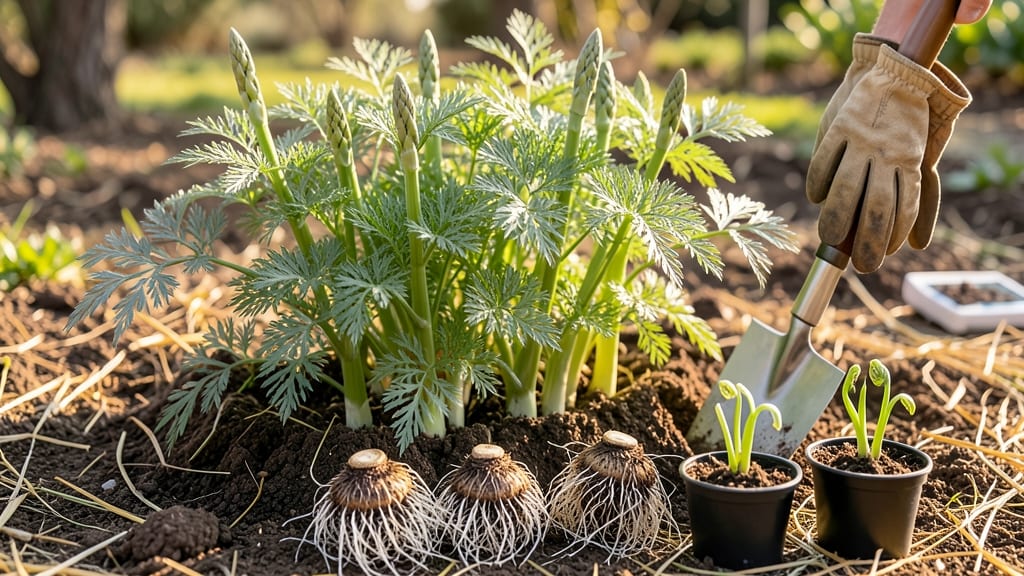
If you’re dreaming of a thriving asparagus patch in Zone 9, when to plant asparagus in zone 9 is your secret weapon. Unlike cooler climates, planting 🌱 asparagus in Zone 9 requires a strategic window—too early, and seedlings scorch; too late, and your harvest arrives after summer’s peak.
The key? Late winter’s mild temperatures create the perfect start for roots to establish before the real heat hits.
Most gardeners in Zone 9 plant asparagus crowns between January and February, when soil temperatures hover just above 50°F. This gives spears time to mature before summer’s intense sun peaks, ensuring stronger plants that can handle the heat.
But don’t wait until March—soil warming too quickly can stress young plants before they’re ready.
What sets Zone 9 apart is its frost-free year-round growing season, which means no rushing to beat the cold. Instead, focus on soil prep: loose, well-draining earth with compost to retain moisture during dry spells.
With the right timing and care, you’ll be harvesting tender spears by spring—proving that even in the heat, asparagus can thrive.
Ready to turn your garden into a 🌱 asparagus powerhouse? I’ll walk you through the exact steps to plant, protect, and nurture your crop for years of harvests—without the guesswork. Let’s get started.
Optimal planting windows for asparagus in Zone 9’s mild climate
Zone 9’s frost-free winters create a unique opportunity to grow asparagus, but timing is critical to avoid heat stress or poor establishment. Unlike cooler zones, asparagus in Zone 9 thrives when planted during cooler months—either late winter (January-February) or early fall (September-October).
These windows align with soil temperatures between 50°F and 65°F, ideal for root development before summer heat arrives.
Most gardeners in Zone 9 focus on January-February planting because it gives roots time to establish before the 100°F+ temperatures of summer. However, fall planting (September-October) is also viable in coastal areas where summers are slightly milder.
The key is avoiding peak summer heat, which can cause crown rot or stunted growth.
Here’s the golden rule: Plant when daytime highs stay below 85°F and nighttime lows don’t drop below 45°F. In inland Zone 9 (e.g., Phoenix, Las Vegas), aim for January planting. Coastal areas (e.g., San Diego, Los Angeles) can extend planting into early March due to milder microclimates.
🌱
For inland Zone 9 gardeners, January planting is non-negotiable. Start crowns in well-draining soil with 2–3 inches of compost mixed in. Use drip irrigation to maintain moisture without overwatering—a common mistake that leads to root rot in summer’s intense heat.
If you’re in a coastal area, September planting lets you take advantage of fall rains and cooler nights. However, avoid planting after October 15th, as winter rains can delay root establishment.
In both cases, mulch heavily (3–4 inches of straw or wood chips) to retain moisture and regulate soil temperature.
One pro tip: Test your soil’s pH (6.5–7.5) before planting. Zone 9 soils often lean alkaline, which can stunt asparagus growth. Amend with sulfur or peat moss if needed. Also, avoid fresh manure—it raises soil temperature too quickly, shocking delicate roots.
🌡️
Remember, asparagus is a perennial in Zone 9, meaning it will produce for 10–15 years if planted correctly. The first year is all about root establishment—don’t harvest any spears! In Year 2, you can harvest 5–10 spears, and by Year 3, expect a full crop.
Proper timing now sets you up for decades of harvests with minimal effort.
For Zone 9-specific varieties, stick with ‘Jersey Knight’ or ‘Mary Washington’, both of which tolerate heat better than traditional European varieties. These will be covered in detail in the next section, along with heat-mitigation strategies to keep your asparagus thriving through summer.
Optimal planting windows for asparagus in Zone 9’s mild climate
Zone 9’s frost-free winters and intense summers create a unique challenge for asparagus growers. Unlike cooler climates, you can plant asparagus twice a year—late winter and fall—to avoid summer heat stress.
The key is timing when soil temperatures stay between 40°F and 60°F, ideal for root establishment before summer’s heat peaks.
In Zone 9, the best planting window is from mid-January to early February, when daytime temps hover around 65°F but nights dip into the 50s.
This gives roots time to establish before summer’s 90°F+ temperatures arrive. Fall planting (late September) is riskier but possible in coastal areas with milder microclimates.
🌱 Zone 9 Asparagus Planting Comparison
| Planting Window | Soil Temp | Heat Risk | Best For |
|---|---|---|---|
| Late Winter (Jan-Feb) | 40°F-60°F | Low (establishes before heat) | Inland & coastal areas |
| Fall (Sep-Oct) | 65°F-75°F | Moderate (coastal only) | Coastal Zone 9b |
💡 Pro Tip: Test soil moisture before planting—dry soil in Zone 9 can cause transplant shock.
For inland Zone 9 areas, avoid planting after March—summer heat will stunt growth. Coastal regions with cooler ocean breezes can extend planting to early April, but monitor soil moisture closely. Use a soil thermometer to confirm temps stay below 70°F for the first 30 days post-planting.
If you’re in a Zone 9a area (cooler microclimate), you may push planting to early March, but prioritize shade cloth for seedlings. In Zone 9b/c, stick to January-February and use mulch to retain moisture during summer’s peak heat.
Remember: Asparagus crowns need 6-8 weeks to establish roots before summer’s heat arrives. Rushing planting increases heat stress and fungal risks. Plan ahead by preparing beds with compost-rich soil and drip irrigation before planting day.
Once planted, water deeply 2-3 times weekly for the first month to encourage root growth. After establishment, reduce to weekly deep watering—asparagus is drought-tolerant once mature but hates dry soil during its first year.