
Plants
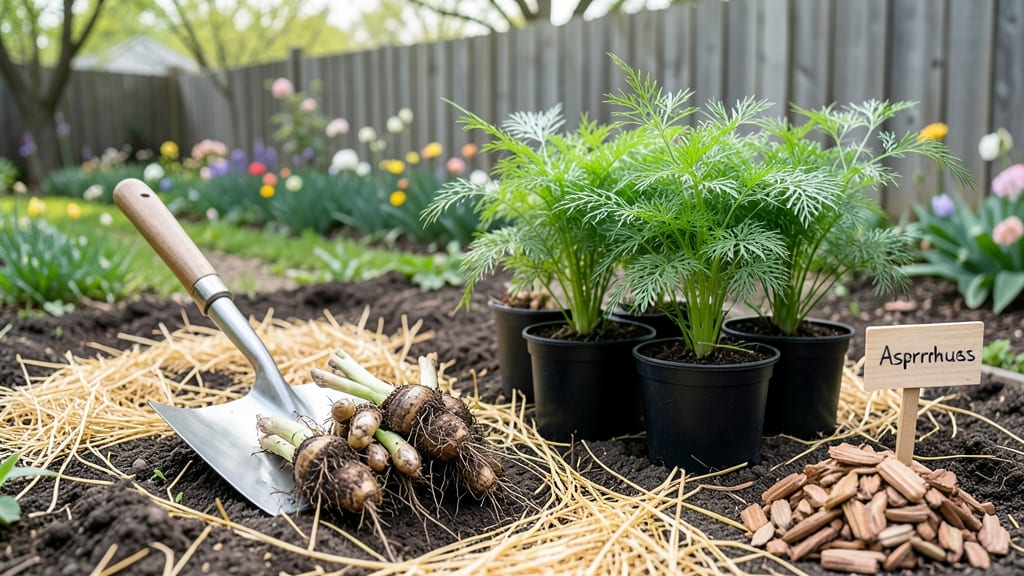
Planting asparagus in Zone 8 at the wrong time could mean waiting three extra years before your first harvest—so getting the timing just right is everything.
This hardy perennial 🌱 thrives when soil temperatures hit that sweet spot between 40°F and 60°F, giving roots the perfect chance to establish before summer heat kicks in.
Most Zone 8 gardeners swear by late winter to early spring planting (think February through March), but coastal areas with milder winters might push that window slightly later.
The key is avoiding those last frost dates—whether you're planting crowns or seeds, you want roots to settle before the real heat arrives.
I’ve seen firsthand how a few weeks’ difference can change everything—from faster spears in Year 2 to stronger plants that outlast droughts.
Let’s break down the exact planting windows, soil prep secrets, and how to adjust for your specific Zone 8 microclimate, so you’re not left waiting years for that first harvest.
Ready to skip the guesswork? You’ll learn how to time your planting for maximum root growth, spot the best soil conditions, and even troubleshoot common mistakes that slow down your asparagus patch. Let’s get those crowns in the ground the right way.
Optimal planting months for asparagus in Zone 8 (with temperature guidelines)
Zone 8 gardeners have two prime windows to plant asparagus crowns: late winter (February-March) or early fall (September-October). These timings align with soil temperatures between 40-60°F, which is critical for root establishment.
Spring planting gives roots 6-8 weeks of warm soil before summer heat, while fall planting lets them develop before winter dormancy.
For Zone 8a (cooler microclimates like inland valleys), aim for March 1-15 when soil temps hit 50°F+. In Zone 8b (warmer coastal areas), February 15-March 1 works better—soil warms faster. Fall planting in Zone 8b should finish by October 15 to allow roots to harden before frost.
Here’s the key difference: Spring planting yields faster (harvest in Year 2 vs. Year 3), while fall planting reduces transplant shock by letting roots establish before summer heat. Both methods work, but spring is preferred for beginners due to its predictable timeline.
🌱 Zone 8 Asparagus Planting Summary
| Season | Ideal Month | Soil Temp | Root Dev. Time | Harvest Window |
|---|---|---|---|---|
| Spring | March 1-15 | 50-60°F | 6-8 weeks | Year 2 |
| Fall | September 15-October 15 | 55-65°F | 8-10 weeks | Year 3 |
*Root development slows below 40°F or above 70°F. Use a soil thermometer to confirm temps.
Microclimates in Zone 8 create variations worth noting. Coastal areas (e.g., San Diego, Santa Barbara) can plant as early as February 1 due to milder winters, while inland desert zones (e.g., Phoenix, Las Vegas) should wait until March 15 to avoid spring heat stress.
Urban heat islands may need shade cloth during summer to protect young crowns.
Pro tip: If planting in May (outside ideal windows), choose 1-year-old crowns over 2-year-olds—they’re more resilient to heat. Always soak crowns for 12 hours before planting to jumpstart root growth in warm soil.
Zone 8’s long growing season means you can extend planting into November for fall crops, but roots need 6 weeks to establish before winter. Use mulch (4-6 inches) to insulate soil and protect crowns from freeze-thaw cycles.
This is especially critical in Zone 8a, where temps can dip to 20°F.
For seed planting (less common but possible), start seeds indoors 8-10 weeks before last frost (late January-February for Zone 8). Transplant seedlings when soil reaches 55°F and they have 4-6 true leaves.
Seed-grown asparagus takes 3 years to harvest, so crown planting is far more efficient for Zone 8’s impatient gardeners!
Remember: Asparagus roots spread aggressively. Plan your bed’s location carefully—once established, these plants can live 15-20 years with minimal care. The right planting window ensures your patch thrives for decades, not just a single season.
Optimal planting months for asparagus in Zone 8 (with temperature guidelines)
In Zone 8, asparagus thrives when planted during two key windows: late winter to early spring (February–March) or early fall (October–November). These timings align with soil temperatures between 40–60°F, which encourage rapid root establishment before summer heat arrives.
Coastal areas may extend planting slightly later due to milder winters.
Spring planting (ideal for most Zone 8 gardeners) gives roots 6–8 weeks to establish before summer stress. Fall planting, while less common, works if you plant 6–8 weeks before first frost (typically mid-November for Zone 8a/b). The goal is to let roots settle before winter dormancy begins.
| Planting Window | Soil Temp | Zone 8 Timing | Root Growth Speed |
|---|---|---|---|
| Late Winter (Spring) | 45–55°F | Feb–March | Moderate (4–6 weeks) |
| Early Fall | 50–60°F | Oct–Nov | Slow (6–8 weeks) |
For Zone 8a (cooler microclimates like inland valleys), aim for March planting to avoid late frosts. In Zone 8b (coastal areas like San Diego), February or even January works if soil temps stay above 40°F. Use a soil thermometer to confirm—roots stall below 40°F.
Pro tip: Plant crowns 6–8 inches deep in loose soil to prevent crown rot. In heavy clay soils (common in Zone 8), amend with compost or sand to improve drainage. Avoid planting when soil is waterlogged or frozen.
After planting, mulch with 2–3 inches of straw to retain moisture and regulate soil temps. This is critical in Zone 8’s hot summers, where roots can overheat if exposed. Water deeply 1–2 times per week until roots establish (about 6–8 weeks).
Remember: Asparagus is a perennial, so patience pays off. First harvests won’t arrive until Year 2–3, but proper timing now ensures decades of spears. Start small with 3–5 crowns to test your soil and site before expanding.