
Plants
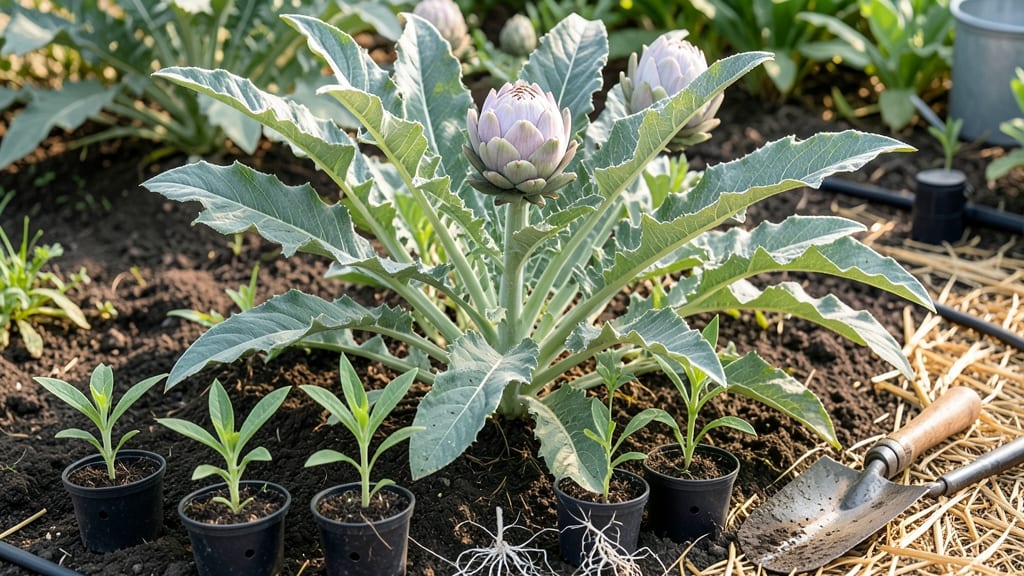
Knowing when to plant artichokes in Arizona is the difference between a thriving garden and a sad, bolted disappointment. The desert’s extreme heat and unpredictable winters demand precision—plant too early, and your artichokes might bolt before you even see a bud.
Too late, and you risk stunted growth or frost damage. But with the right timing, you can grow juicy, tender artichokes that outshine any store-bought variety.
Most Arizona gardeners swear by planting in fall (October–December), when temperatures dip just enough to encourage strong root growth before winter. This window aligns perfectly with the USDA Zone 9b climate, giving your plants a head start before the heat ramps up.
But don’t overlook early spring as a backup—just be ready to shield them from sudden desert heat spikes.
Here’s the game-changer: soil prep and mulching can mean the difference between a successful harvest and a failed attempt. Arizona’s soil drains too fast, and mulch isn’t just for looks—it’s your secret weapon against bolting.
I’ll show you how to tweak your garden to keep artichokes happy, even when the thermometer hits 110°F.
Ready to skip the guesswork? Let’s break down the exact steps to time your planting, adjust for microclimates, and keep your artichokes thriving until harvest—without the stress of bolting or wilting. Your first perfect artichoke is closer than you think.
Optimal Arizona artichoke planting windows: avoiding bolting in extreme heat
Arizona’s USDA Zone 9b climate demands precise timing for artichoke success—plant too early, and your crop bolts (prematurely flowers) in the heat; too late, and winter frosts stunt growth. The key? Two strategic windows: fall (October-December) for winter harvests and early spring (February-March) for summer yields.
Let’s break down the best times for Arizona’s microclimates, from Phoenix’s low desert to Flagstaff’s high elevations.
Artichokes thrive in cool-season temperatures (50–75°F), making summer planting a recipe for disaster. In Phoenix and Tucson, where daytime highs often exceed 100°F, even transplanting in May risks bolting within weeks. Instead, focus on fall plantings (October–November) when soil temps drop below 80°F—ideal for establishing roots before winter.
For Flagstaff’s cooler high desert (Zone 7a), extend your window to September–October to avoid early frosts.
Here’s the critical rule: Plant when daytime highs stay below 85°F and nights dip into the 50s. In Arizona, that’s typically October 15–November 15 for most regions.
Use a soil thermometer to confirm—roots struggle above 80°F. Pro tip: Start seeds indoors 8–10 weeks before your target date (e.g., late July for fall planting) to give seedlings a head start.
| Region | Best Planting Window | Key Temperature Threshold | Notes |
|---|---|---|---|
| Phoenix/Tucson (Low Desert) | October 15–November 15 | Daytime < 85°F, nights > 50°F | Use shade cloth if temps rise above 90°F |
| Sedona/Prescott (Mid-Elevation) | September 1–October 15 | Daytime < 80°F, nights > 45°F | Frost risk after December 15 |
| Flagstaff (High Desert) | September 15–October 30 | Daytime < 75°F, nights > 40°F | Longer growing season; spring planting possible |
| All Regions (Spring Backup) | February 15–March 15 | Soil > 60°F, no frost risk | Harvest in summer; higher bolting risk |
For spring plantings (February–March), aim for harvests before summer’s peak heat. In Phoenix, this means rushing to harvest by late June—after that, your artichokes will bolt faster than a roadrunner on espresso.
Choose heat-tolerant varieties like ‘Green Globe’ or ‘Imperial Star’ if you must plant in spring, but expect smaller yields. In Flagstaff, spring plantings can extend harvests into July thanks to cooler temps.
Watch for daylength cues: artichokes bolt when days exceed 14 hours of light. In Arizona, this happens by late May. To delay bolting, use black plastic mulch to warm soil faster in spring or shade cloth (30–50%) to reduce light intensity.
Pair this with consistent watering (1–1.5 inches per week) to keep plants stressed and focused on growth, not flowering.
Pro move: Succession plant every 2 weeks in fall to stagger harvests. In Phoenix, this means planting October 1, October 15, and November 1 batches.
The first batch matures in February, the second in March, and the third in April, giving you a steady supply before summer heat sets in. In cooler areas like Flagstaff, you can even squeeze in a late-summer planting (July–August) for fall harvests.
Never plant artichokes in Arizona’s summer (June–August)—the combination of 100°F+ soil temps and long daylight hours will send your plants bolting within 3 weeks. If you’re desperate for a summer crop, try container growing with daily shade and drip irrigation to keep roots cool.
But even then, yields will be poor, and buds will be bitter.
Final tip: Monitor your local almanac for monsoon patterns. Arizona’s sudden summer rains can trigger bolting even in fall plantings. If you see unpredictable downpours after planting, adjust your watering schedule to avoid soggy soil—artichokes hate wet feet.
Aim for consistent moisture, not saturation, and always water at the base of the plant, never overhead.
With the right timing, you’ll go from seed to harvest in 120–150 days, enjoying artichokes from
Optimal Arizona artichoke planting windows: avoiding bolting in extreme heat
Arizona’s microclimates create unique challenges for artichoke growers. The low desert (Phoenix/Tucson) has USDA Zone 10a, while high desert (Flagstaff) sits in Zone 7b. These differences mean your planting window could vary by 6-8 weeks depending on elevation.
The key is planting when daytime temps stay below 75°F (24°C) to prevent premature bolting—the enemy of juicy artichokes.
Artichokes thrive in Arizona’s cool-season windows. Your primary planting window runs from mid-October to December, allowing plants to establish roots before winter’s mild chill. A secondary window opens in late January to early February for high-desert areas, where frost risks linger.
Low-desert gardeners can push this to mid-February, but avoid planting after March 15—summer’s heat will trigger bolting within weeks.
🌱 Arizona Artichoke Planting Timeline
| Region | Primary Window | Secondary Window | Max Safe Temp |
|---|---|---|---|
| Low Desert (Phoenix/Tucson) | Oct 15 - Dec 15 | Feb 1 - Mar 15 | 75°F (24°C) |
| High Desert (Flagstaff) | Sep 15 - Nov 1 | Jan 15 - Feb 15 | 65°F (18°C) |
| All Regions | Avoid summer planting | N/A | Bolting guaranteed |
⏰ Pro Tip: Use a soil thermometer to confirm root-zone temps stay below 70°F (21°C)—this is your best defense against bolting.
For container growers, timing shifts slightly. Start seeds indoors 8-10 weeks before your outdoor window opens, using grow lights to simulate long days. Transplant seedlings outdoors when night temps stay above 50°F (10°C).
In high-desert areas, protect young plants with frost cloth until soil warms in spring—artichokes hate cold snaps.
Watch for monsoon moisture in July-August. While you shouldn’t plant during this time, these rains can replenish soil moisture for fall plantings. Test soil moisture weekly—artichokes need 1-1.5 inches of water per week, but drought stress triggers bolting faster than heat alone.
Drip irrigation with mulch rings is your best bet for conserving water while keeping roots cool.
If you miss the fall window, don’t despair—January plantings still work in most of Arizona. Choose bolt-resistant varieties like ‘Green Globe’ or ‘Violetto’ for your second attempt.
Just be prepared to harvest by late April before summer’s relentless sun takes over. The trade-off? Smaller artichokes, but still edible and delicious.
Remember: Arizona’s artichoke success hinges on one rule—plant when days are cool and nights stay mild. Skip the summer heat, and you’ll avoid the bitter disappointment of bolting. With the right timing, you’ll enjoy homegrown artichokes from February through April, just as local markets start running low.