
Plants
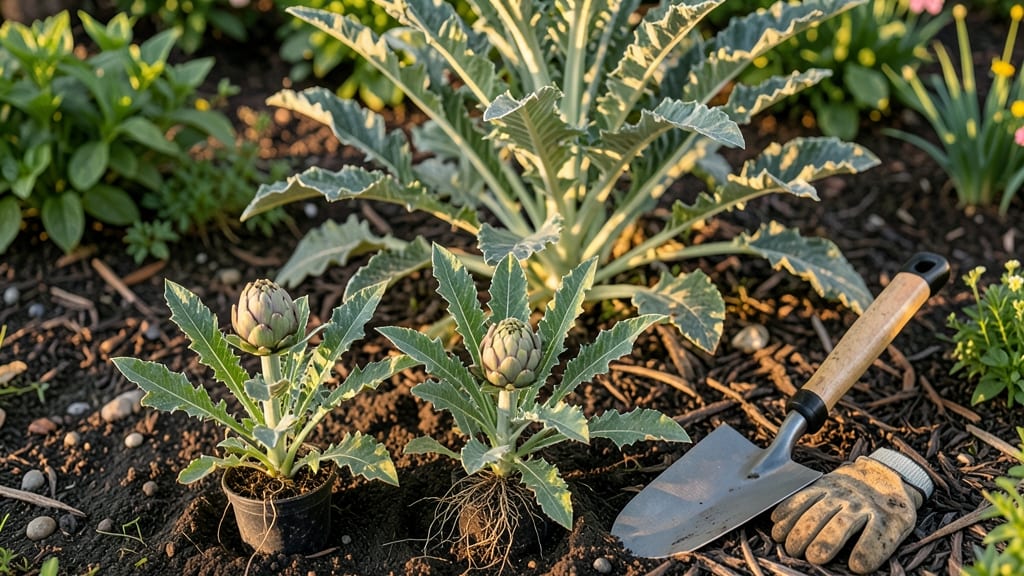
If you're growing artichokes in Zone 9, timing your planting window could mean the difference between a perfect harvest and a bitter disappointment.
Unlike many vegetables, artichokes thrive in the cooler months, making winter the ideal time to plant them—typically between October and February—when temperatures stay mild and frost isn't a concern.
But here's the catch: plant too early, and you risk bolting—those unwanted flower spikes that ruin your artichoke heads. Too late, and your plants may struggle to establish roots before the heat of spring arrives.
The key is finding that sweet spot where your 🌱 artichokes get a strong start without rushing into bolting.
In Zone 9 (think Southern California or Phoenix), you've got a unique advantage—no frost to worry about. This means you can focus solely on soil prep, heat management, and choosing the right varieties for your microclimate.
Whether you're a first-time grower or a seasoned gardener, getting this timing right will set you up for tender, zero-bolt artichokes all season long.
I'll walk you through the exact planting schedule, soil prep tips, and even how to adjust for local heat spikes. By the end, you'll know exactly when to plant for that zero-bolt harvest you've been dreaming of.
Optimal planting windows for artichokes in Zone 9 climate
Artichokes thrive in Zone 9's mild winters, but timing is everything to avoid bolting (premature flowering) or stunted growth. Unlike cooler zones, Zone 9's frost-free winters mean you can plant year-round—but strategic timing maximizes yields.
The ideal window spans from late October to February, when soil temps hover between 50-65°F, perfect for germination.
Zone 9's heat tolerance is a double-edged sword: artichokes bolt when temps exceed 80°F during active growth. Planting in fall or early winter lets you sidestep summer heat while still harvesting before spring heat spikes.
For example, Southern California's coastal areas can plant as late as December, while inland Phoenix gardeners should aim for October-November to avoid early bolting.
Soil temperature is your best friend in Zone 9. Use a soil thermometer to confirm 55°F+ before planting—cold soil delays germination. In Zone 9b, this usually aligns with November-January, but microclimates vary.
For instance, San Diego's coastal fog keeps soils cooler longer, while Phoenix's desert heat may require shade cloth for young plants.
Comparison Table: Fall vs. Spring Planting in Zone 9
| Factor | Fall Planting (Oct-Feb) | Spring Planting (Mar-Apr) |
|---|---|---|
| Best For | Primary harvest; avoids summer heat | Secondary harvest; risk of bolting |
| Soil Temp | 50-65°F (ideal) | 60-75°F (warmer = bolting risk) |
| Harvest Window | March-June (peak quality) | July-August (smaller yields) |
| Bolt Risk | Low (cool nights) | High (spring heat) |
| Planting Depth | 1/2 inch deep | 1/2 inch deep (but hurry!) |
Spring planting in Zone 9 is riskier but possible with bolt-resistant varieties like Violetto di Provenza. Start seeds indoors in February and transplant by March to beat the heat. However, expect smaller yields and more bitter-tasting artichokes due to stress.
For best results, stick to fall planting and extend harvests with succession planting every 2-3 weeks from October to January.
Zone 9's microclimates demand flexibility. Coastal areas like Santa Barbara can plant until January, while desert regions like Yuma must plant by November to avoid 100°F+ soil temps.
Test your soil’s drainage too—artichokes hate soggy roots. Amend heavy soils with compost and perlite to prevent root rot, a common issue in Zone 9's occasional winter rains.
Pro tip: Use row covers in late winter to protect young plants from unpredictable cold snaps (yes, they happen in Zone 9!). This buys you 2-3 extra weeks of planting time. Pair this with drip irrigation to maintain even moisture—critical for preventing bolting.
Remember, artichokes are perennials in Zone 9, so established plants may produce for 3-5 years if given proper care.
For container growing, plant in 15-gallon pots with well-draining mix and keep them in partial shade during summer. Containers warm up faster, so monitor soil temps closely. If your balcony faces west, expect afternoon heat stress—move pots to shade by 2 PM to protect tender leaves.
Timing your artichoke planting in Zone 9 isn’t just about months—it’s about heat management. By aligning plantings with cool-season windows and microclimate nuances, you’ll enjoy tender, zero-bolt artichokes from spring through early summer.
Start with fall plantings, and you’ll thank yourself when your neighbors’ plants bolt while yours thrive.
Optimal planting windows for artichokes in Zone 9 climate
Zone 9's frost-free winters and intense summers create unique challenges for growing artichokes. Unlike cooler climates, you can't rely on spring planting alone—fall planting is your secret weapon for avoiding summer heat stress and bolting.
The ideal window spans from October through February, when soil temperatures stay between 50-65°F for optimal germination.
Artichokes thrive in cool-season conditions, but Zone 9's heat can trigger premature bolting if planted too early. Aim for November or December plantings to give roots time to establish before spring warmth arrives.
This timing also aligns with natural rainfall patterns in many Zone 9 regions, reducing irrigation needs during critical early growth stages.
Here's the key: Soil temperature matters more than air temperature in Zone 9. Use a soil thermometer to confirm 60°F+ before planting. In inland desert areas like Phoenix, wait until January when nights cool significantly.
Coastal areas with milder winters can start as early as October, but watch for sudden heat spikes.
| Planting Window | Soil Temp | Heat Risk | Best For |
|---|---|---|---|
| October | 55-65°F | Low (coastal) | Early harvest |
| November-December | 50-60°F | Moderate | Standard planting |
| January-February | 60-70°F | High (inland) | Late-season |
*Heat risk increases after February in most Zone 9 sub-regions
Spring planting in Zone 9 is risky but possible with shade cloth and afternoon shade. If attempting, plant March seedlings and provide 50% shade until established. Remember: artichokes are perennial in Zone 9—once established, they'll regrow yearly if given proper winter care.
This makes fall planting even more valuable for building strong root systems.
Pro tip: Mulch heavily with straw or wood chips after planting to maintain even soil moisture. In desert climates, this can mean the difference between bolting and tender buds. Aim for 3-4 inches of mulch around each plant to protect roots from temperature swings.
For container growers, start seeds 8-10 weeks before your target planting month. Zone 9's microclimates mean your neighbor's perfect timing might not work for you—always check local 7-day heat forecasts before committing to outdoor planting dates. Even a 3-day heatwave above 85°F can trigger bolting in young plants.