
Trees
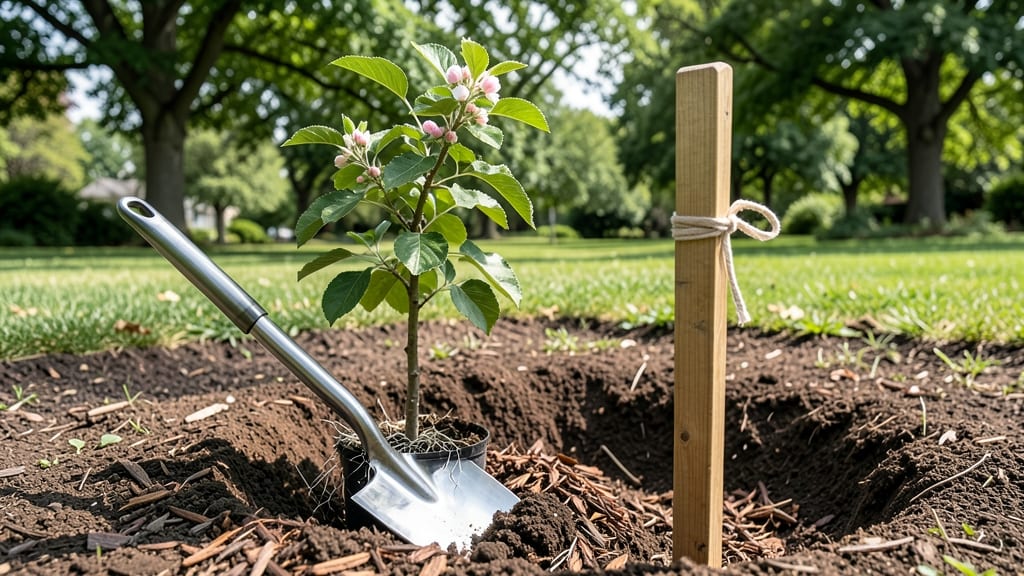
Timing your 🍎 apple tree planting in South Carolina isn't just about the calendar—it's about giving your young tree the best shot at thriving in 7b-8b zones where summer heat and winter chill both play critical roles.
Plant too early, and you risk exposing delicate roots to late frosts; too late, and your tree might struggle to establish before the heat of summer arrives.
Most gardeners in SC swear by late winter to early spring as the golden window—typically between February and March—when soil temperatures are cool but not frozen, and the tree can focus its energy on root growth rather than leaf production.
But did you know container-grown trees offer more flexibility? They can even go in during May, giving you a second chance to plant if you missed the spring window.
Why does this matter? Because getting the timing right means the difference between a vibrant, fruit-bearing tree in just a few years and one that fights off stress or even fails to take hold.
I’ll walk you through the exact months that work best for your zone, the varieties that thrive in SC’s climate, and how to prepare your soil for maximum success.
Whether you’re a first-time gardener or a seasoned orchard enthusiast, these insights will help you avoid common mistakes—like planting too close to summer’s heat or ignoring drainage—and set your 🍎 apple tree up for a lifetime of harvests. Let’s get started.
Best planting months for apple trees in South Carolina by Zone
South Carolina’s USDA zones 7b-8b offer a narrow window for planting apple trees, but timing is everything. The ideal months are February through April, when soil temperatures are cool but frost risks are low.
Planting outside this window can stress young trees, especially during summer heat or winter freezes.
In Zone 7b (cooler areas like the Upstate), aim for late February to early March to avoid early spring frosts. For Zone 8b (coastal regions like Charleston), March to early April works best, as warmer soils speed up root establishment.
Always check your last frost date—typically around March 15 in most of SC.
Late fall planting (October-November) is possible but riskier. Young trees need time to establish roots before winter dormancy. If you choose this route, plant 6-8 weeks before first frost (usually November 15) and mulch heavily to insulate roots.
Summer planting (June-August) is not recommended due to SC’s intense heat and humidity. Young trees struggle to establish roots in 90°F+ temperatures, leading to transplant shock. If you must plant in summer, opt for container-grown trees and keep them shaded until roots settle.
Soil temperature is critical—roots need 45-55°F soil to grow. Use a soil thermometer to check before planting. If soil is too cold (<40°F), wait 1-2 weeks or use black plastic mulch to warm it faster.
| Zone | Best Planting Window | Soil Temp Goal | Key Consideration |
|---|---|---|---|
| 7b (Upstate) | Late Feb - Early Mar | 45-55°F | Avoid late frosts |
| 8a (Piedmont) | Early Mar - Mid-Apr | 50-60°F | Warmer soils speed growth |
| 8b (Coastal) | Mid-Mar - Early Apr | 55-65°F | Higher humidity = faster root rot risk |
| Fall Option | Oct - Early Nov | 50-60°F | Mulch heavily for winter |
Bare-root trees are best planted in dormant season (winter/early spring) when roots are inactive but can absorb moisture. Container-grown trees, however, offer more flexibility—plant them anytime soil isn’t frozen or above 80°F. Always remove the container and loosen roots before setting in the hole.
After planting, water deeply to eliminate air pockets in the soil. Apply 2-3 inches of mulch (wood chips or straw) to retain moisture and regulate temperature. In Zone 8b, young trees may need winter protection—wrap the trunk with tree wrap to prevent sun scald.
Monitor your tree’s progress. In Zone 7b, expect 2-4 feet of growth in the first year if planted correctly. In Zone 8b, growth may be slower due to heat stress, so prioritize shade cloth during summer months.
Patience is key—apple trees take 3-5 years to bear fruit in SC’s climate.
For container planting, choose dwarf varieties like 'Anna' or 'GoldRush' to fit SC’s urban spaces. Use fast-draining pots (at least 15 gallons) and repot every 2-3 years to prevent root binding. Container trees can be moved, but avoid transplanting during peak heat (June-August).
Best planting months for apple trees in South Carolina by Zone
South Carolina’s USDA Hardiness Zones 7b-8b offer a unique window for planting apple trees, but timing is everything. The ideal planting window spans from late winter to early spring (February through March), when soil temperatures rise above 40°F (4°C) but before buds swell.
This balance helps young roots establish without competing with summer heat or winter chill.
For bare-root trees, aim for February to early March—this gives roots time to grow before the growing season kicks in. If you’re planting container-grown trees, you have more flexibility: they can go in the ground as late as May, but avoid extreme heat or drought stress.
Late fall (November) is another option, but only if your region’s first frost arrives after November 15.
🌱 South Carolina Apple Tree Planting Timeline
| Season | Best Planting Months | Soil Temp Requirement | Key Consideration |
|---|---|---|---|
| Late Winter | February - Early March | 40-50°F (4-10°C) | Bare-root trees only; avoid bud swell |
| Early Spring | March - April | 50-60°F (10-15°C) | Best for container-grown trees; roots establish quickly |
| Late Fall | November (before frost) | 50°F (10°C) or warmer | Limited to zones 7b-8a; avoid transplant shock |
🌡️ Pro Tip: Use a soil thermometer to confirm temperatures before planting.
If you miss the ideal planting window, don’t panic. Container-grown trees can handle May planting, but prioritize deep watering and mulching to reduce transplant shock. Avoid summer planting—heat stress and limited root growth will stunt your tree’s development.
For zone 8b (coastal SC), extend your window slightly later, as frost dates are milder.
One critical factor in SC’s climate is soil drainage. Heavy clay soils common in the Piedmont region can suffocate roots, while sandy soils in the coastal plain dry out too quickly.
Amend your soil with compost or organic matter to improve both drainage and moisture retention. This step is non-negotiable—poor drainage leads to root rot, while compacted soil restricts growth.
For dwarf or semi-dwarf varieties, timing matters less because they establish faster. However, even these trees benefit from spring planting, as their smaller root systems are more vulnerable to temperature extremes.
If you’re planting near a frost-prone microclimate (like valleys), opt for late March to avoid late frosts damaging new growth.
Remember, the first 30 days after planting are critical. Focus on consistent watering (1-2 inches per week) and protecting young trees from pests like apple maggots or borers.
Mulch with wood chips or straw to retain moisture and regulate soil temperature—this simple step can double your tree’s survival rate in SC’s humid summers.