
Trees
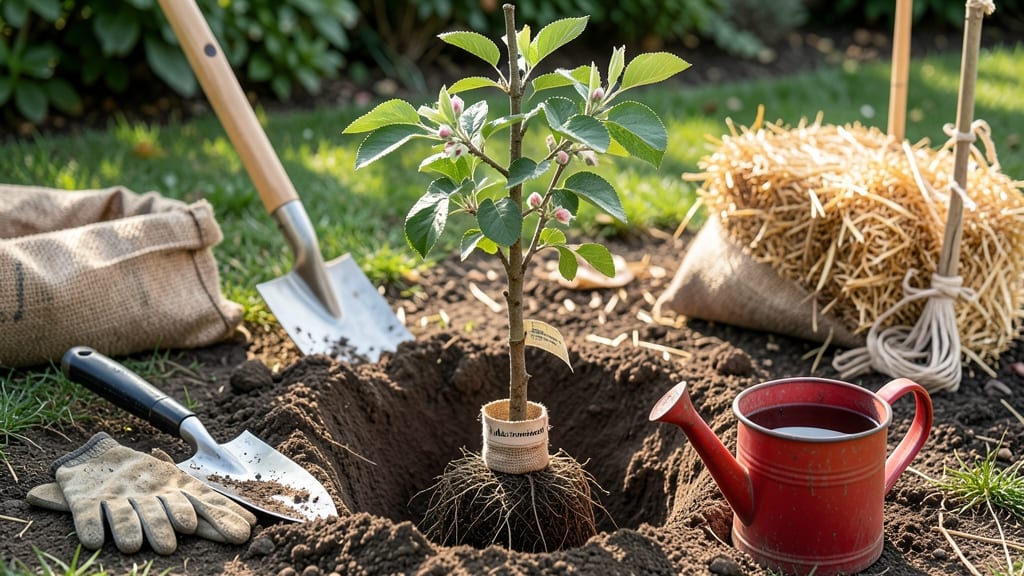
Timing your 🍎 apple tree planting in Zone 5 could make or break your tree’s survival—get it wrong, and frost turns your sapling into a sad, frozen memory.
The key isn’t just picking a season, but understanding how Zone 5’s short growing window forces you to balance root growth with frost risks.
Most gardeners assume spring is the only option, but fall planting actually gives your apple tree a head start—just 6-8 weeks before that first frost hits.
I’ll show you exactly how to align planting with Zone 5’s unpredictable weather, so your tree’s roots get the strong foundation they need before winter sets in.
You’ll also discover which cold-hardy varieties like Honeycrisp or McIntosh thrive in Zone 5’s climate, plus soil prep tricks to outsmart frost. Whether you’re planting bare-root saplings in early spring or container-grown trees in fall, these insights will help you avoid common mistakes that kill young trees.
Ready to grow an apple tree that doesn’t just survive Zone 5 winters but thrives? Let’s break down the exact months, soil secrets, and frost-proofing strategies that turn good planting into great results.
Best planting months for apple trees in Zone 5: exact timing for root success
Zone 5 gardeners know the stakes are high when planting apple trees—just one wrong move with timing can leave your sapling vulnerable to frost damage or poor root growth.
The ideal window for planting focuses on two key seasons: early spring and fall, each offering distinct advantages for root establishment before winter’s first freeze.
In Zone 5, where the last frost typically arrives mid-May and the first frost hits mid-October, you’ve got a narrow but critical window. Planting too early means struggling with frozen soil, while waiting too long risks insufficient root growth before winter.
Let’s break down the exact months and conditions for success.
🌱 Spring Planting (March–April) is my top recommendation for bare-root apple trees. The soil is thawed, and roots can establish before summer heat. Container-grown trees can also go in as early as late February if the ground isn’t frozen.
Zone 5 Apple Tree Planting Timeline
| Season | Best Months | Soil Temp | Root Establishment Goal |
|---|---|---|---|
| Spring | March–April | 40–50°F | 6–8 weeks before buds swell |
| Fall | September–October | 50–60°F | 6–8 weeks before first frost |
Note: Adjust timing based on your specific last/first frost dates.
For fall planting, aim for September–October, giving roots time to harden before winter. This method works best for container-grown trees or those with established root systems. The key is planting 6–8 weeks before the first frost—any later, and roots won’t have time to anchor.
If you’re unsure about your local frost dates, check the USDA Plant Hardiness Zone Map or consult your local cooperative extension service. In Zone 5, ‘Honeycrisp’ and ‘McIntosh’ varieties thrive when planted in these windows, but even they need the right timing to avoid winter stress.
Avoid planting in late May or June—this leaves little time for roots to establish before winter. Similarly, November plantings risk frost damage before roots can settle. Think of these months as your golden windows for success.
Pro tip: If you’re planting in early spring, soak the roots of bare-root trees for 1–2 hours before planting to rehydrate them. For fall plantings, add a 4–6 inch layer of mulch to insulate roots and retain moisture through winter.
Remember, soil temperature matters just as much as air temperature. Use a soil thermometer to confirm the ground is above 40°F before planting—cold soil can stunt root growth, even if the air is warm.
With the right timing, your apple tree will have 6–8 weeks of root growth before winter, setting the stage for a fruit-bearing tree in just a few years. Don’t let Zone 5’s short season fool you—these trees are tough, but they need your precise timing to thrive.
Best planting months for apple trees in Zone 5: exact timing for root success
In Zone 5, where winters are cold and summers short, timing your apple tree planting is critical. The ideal window is either early spring (after the last frost) or fall (6-8 weeks before the first frost). This ensures roots establish before winter dormancy or summer heat stress.
For spring planting, aim for March or April once soil temperatures reach 45°F (7°C). This gives roots 6-8 weeks to grow before summer heat arrives. Fall planting, however, offers a hardier root system before winter’s chill sets in.
| Planting Window | Zone 5 Timing | Key Consideration |
|---|---|---|
| Early Spring | March–April (after last frost) | Soil must be workable (45°F+) |
| Fall | September–October (6-8 weeks before frost) | Roots establish before dormancy |
Bare-root trees thrive best in spring because their roots are dormant and less prone to rot in cold soil. Container-grown trees, however, can handle fall planting since their roots stay moist and active longer. Avoid planting in summer—the heat stresses young roots.
Check your USDA Zone 5 frost dates: the last frost typically hits mid-May, while the first frost arrives mid-October. Planting too early in spring risks frost damage, while planting too late in fall leaves roots vulnerable to winter’s freeze.
For container-grown trees, fall planting is ideal—they adapt better to cooler soil. Bare-root trees, however, need warmer soil in spring to wake from dormancy. Always mulch heavily after planting to insulate roots from temperature swings.
If you miss the ideal window, don’t panic! May planting still works if soil is warm, but prioritize watering and shade cloth to protect young trees from late-season heat.
The key is root establishment—whether you plant in spring or fall, focus on giving roots the best shot to thrive before winter.