
Trees
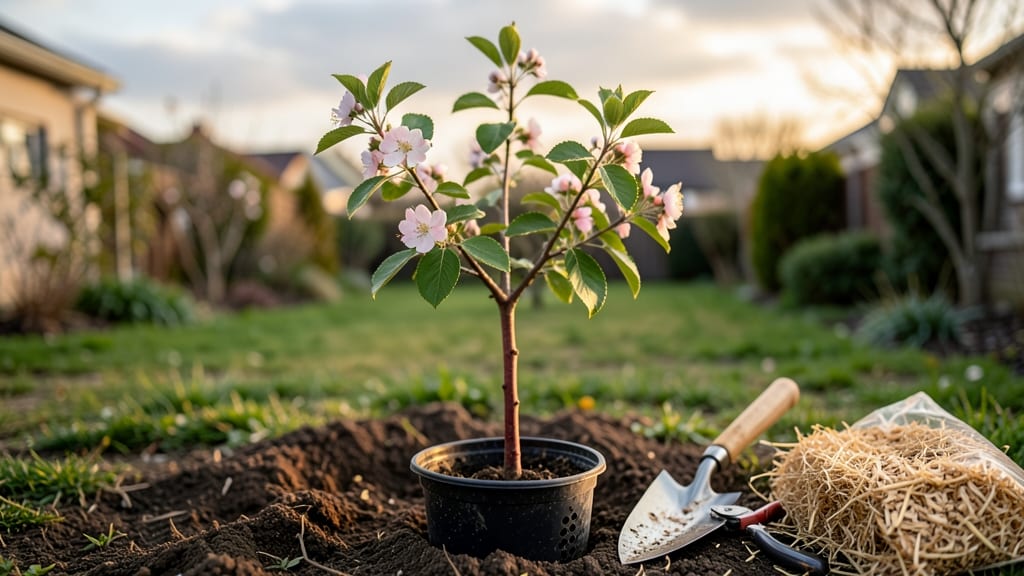
Timing your 🍎 apple tree planting in Massachusetts isn’t just about picking a month—it’s about matching varieties to the state’s 5b-6b chill hours and avoiding frost surprises. Plant too early, and your tree might struggle with late frosts; too late, and it won’t establish strong roots before winter.
The right window ensures your orchard thrives, not just survives.
Most Massachusetts gardeners swear by early spring (March-April) or early fall (September-October) as the sweet spots, but the chill-hour needs of your chosen variety can shift that timeline. Honeycrisp, for example, needs 800+ hours of cold—something inland areas hit earlier than coastal spots.
I’ll break down how to sync your planting with your tree’s dormancy requirements and Massachusetts’ unpredictable weather.
You’ll also discover whether bare-root or container-grown trees give you an edge in your zone, plus soil prep secrets that prevent root rot and stunted growth. Spoiler: Skipping these steps is how most orchards start off on the wrong foot.
Let’s get your 🍎 apple tree off to a flying start with science-backed timing and local wisdom.
From frost dates to mulching hacks, I’ll walk you through every critical detail—so you can plant with confidence and harvest your first crop in 3-5 years. Ready to turn your backyard into an orchard? Let’s dig in.
Best planting months for apple trees in Massachusetts based on chill-hours
Massachusetts gardeners must align apple tree planting with chill-hour requirements and USDA Zones 5b-6b. Most varieties need 300-1,000+ chill hours—the period below 45°F (7°C) needed to break dormancy. Planting outside these windows risks poor fruit set or winter damage.
Your two best options are early spring (March-April) or early fall (September-October). Spring planting gives roots time to establish before summer heat, while fall planting allows roots to grow before winter dormancy. Coastal areas (like Cape Cod) have milder winters, so fall planting can extend into November.
Here’s why timing matters: Bare-root trees (most common) must be planted while dormant. Container-grown trees offer more flexibility but require proper soil prep—amend with compost to improve drainage and add mycorrhizal fungi for root health.
| Planting Window | Chill-Hour Range | Best Varieties | Soil Prep | Regional Note |
|---|---|---|---|---|
| Early Spring (March-April) | 300–1,000+ hours | Honeycrisp, McIntosh, Cortland | Add compost + lime (pH 6.0–6.5) | Inland areas: Plant after last frost (April 15 avg) |
| Early Fall (September-October) | 400–1,000+ hours | Fuji, Gala, Jonagold | Test pH + amend with organic matter | Coastal areas: Extend to early November |
| Avoid | All ranges | N/A | Late fall (Dec+) or summer (June-Aug) | Risk of transplant shock or fungal diseases |
For coastal Massachusetts (e.g., Boston, Provincetown), aim for September planting to avoid early frosts. Inland areas (e.g., Worcester, Springfield) should prioritize April planting to match 1,000+ chill hours—critical for varieties like Honeycrisp or Arctic Sweet.
Pro tip: Use a planting calendar from the UMass Extension to track local frost dates. For example, Western MA often has 100+ more chill hours than Cape Cod, so adjust varieties accordingly.
Always plant on a cloudy day to reduce stress. Dig a hole twice as wide as the root ball and mix in bone meal for phosphorus. Water deeply immediately after planting to eliminate air pockets.
Aftercare is key: Mulch with wood chips (3–4 inches) to retain moisture and protect roots. In Zone 6b, add an extra layer of mulch in winter to prevent freeze-thaw cycles.
Monitor for fire blight (a bacterial disease common in MA) by pruning infected branches in late winter before buds swell. Use copper fungicide as a preventive spray in spring.
Remember: Dwarf varieties (e.g., Liberty) establish faster but still need 6+ hours of sun daily. Stake young trees in windy areas (common in coastal MA) to prevent root damage.
Top 5 Massachusetts-approved apple varieties and their perfect planting timing
Massachusetts gardeners have excellent options for cold-hardy apple varieties that thrive in USDA Zones 5b-6b. Choosing the right variety isn’t just about taste—it’s about matching chill-hour requirements (300-1,000+) to your microclimate. Coastal areas like Cape Cod need lower-chill varieties, while inland regions can handle higher-chill apples.
Below are the top 5 varieties for Massachusetts, ranked by planting adaptability and local success rates. Each includes ideal planting windows, soil prep tips, and chill-hour compatibility to ensure your tree establishes strong roots before winter.
| Variety | Chill-Hours | Best Planting Months | Soil Prep Tip | Notes |
|---|---|---|---|---|
| Honeycrisp | 500-600 hrs | Early April or September | Amend with compost and lime (pH 6.0-6.5) | Sweet, crisp; needs full sun and well-draining soil |
| McIntosh | 400-500 hrs | Late March or October | Test soil pH; add organic matter if clay-heavy | Tart-sweet; disease-resistant but needs pruning annually |
| Cortland | 600-700 hrs | Early April or September | Avoid compacted soil; loosen 6 inches deep | Rust-resistant; stores well; coastal-friendly |
| Gala | 300-400 hrs | Late March or September | Mulch with wood chips to retain moisture | Early ripening; low-chill option for southern MA |
| Liberty | 800-900 hrs | Early April only (fall planting risky) | Add mycorrhizal fungi to improve root growth | Fire blight-resistant; best for inland zones |
For coastal Massachusetts, varieties like Gala and Cortland are ideal due to their lower chill-hour needs. Inland areas should prioritize Liberty or Honeycrisp for higher yields. Always test your soil before planting—pH imbalances can stunt growth, even with the perfect variety.
Pro tip: If you’re planting in fall, do it 6-8 weeks before frost to allow roots to establish. For spring planting, wait until the soil thaws (typically mid-April) to avoid root rot from cold, wet ground.
🌱