
Plants
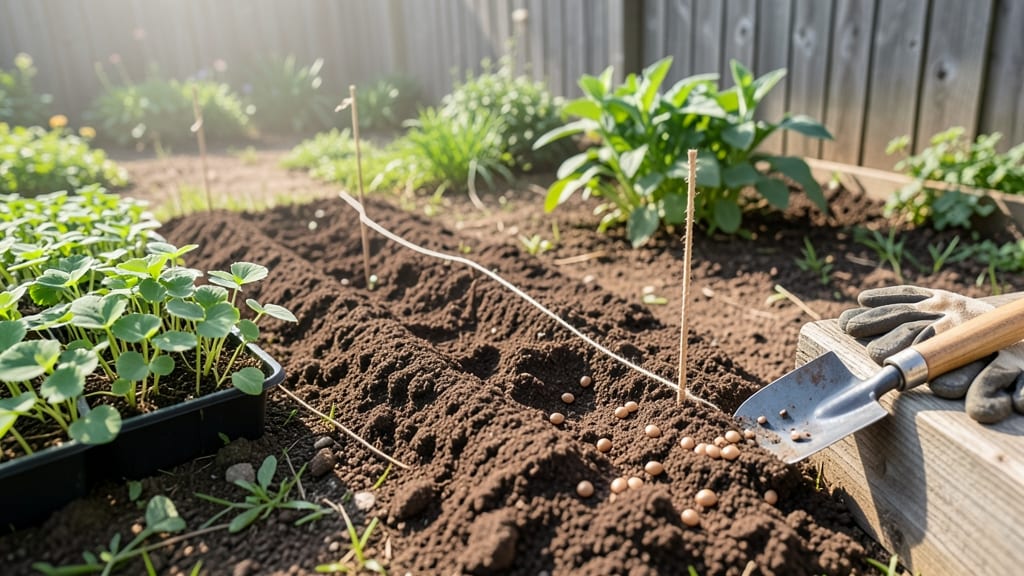
Timing your alfalfa planting just right in spring can mean the difference between a lush, nutrient-rich crop and a disappointing failure. Whether you're growing it for soil health or livestock feed, getting those seeds in the ground at the perfect moment is the key to success.
Most gardeners in USDA Zone 6a know the struggle—plant too early and frost will nip your seedlings, too late and summer heat arrives before they establish. I've seen firsthand how a 3-week window can make or break your alfalfa harvest, and I'm here to help you nail it.
We'll cover exactly when to plant based on soil temperatures, frost-free dates, and regional variations. You'll learn how to read your local climate like a pro and avoid common mistakes that waste seeds and effort.
From direct seeding techniques to post-planting care, I'll walk you through every step to ensure your 🌱 alfalfa thrives from the very first sprout. Let's get those seeds in the ground at the perfect moment for a bountiful harvest.
Ideal soil temperature and frost-free window for spring alfalfa planting
Alfalfa thrives when planted in cool but thawed soil, typically between 45°F and 55°F. This temperature range ensures seeds germinate quickly without rotting—a common issue in soggy, cold soil. If you plant too early, frost can kill seedlings, while waiting too long risks summer heat stress during germination.
Most gardeners aim to plant alfalfa 2-4 weeks before the last expected frost date in their region. For example, in USDA Zone 5, this usually means late March to early April, while in Zone 8, it shifts to February or early March.
Always check your local frost-free date using tools like the USDA Plant Hardiness Zone Map or your local cooperative extension service.
Soil temperature is just as critical as air temperature. Use a soil thermometer to confirm your soil is consistently above 45°F at a depth of 2 inches.
If your soil is still cold, wait a few more days—alfalfa seeds won’t germinate in chilly soil, no matter how eager you are to start!
| Condition | Specification | Action |
|---|---|---|
| Soil Temperature | 45°F–55°F | Use a soil thermometer to check 2" deep |
| Last Frost Date | 2–4 weeks before planting | Consult USDA Zone Map for your area |
| Seed Depth | 1/4 inch | Lightly rake soil before sowing |
| Sunlight | Full sun (6+ hours/day) | Choose a south-facing location |
| Soil Moisture | Evenly moist (not soggy) | Water lightly after planting |
One common mistake is planting alfalfa too early when soil is still frozen or waterlogged. This leads to seed rot or slow germination, leaving your crop vulnerable to weeds. Conversely, planting too late can result in seedlings struggling to establish before summer heat sets in.
Aim for that sweet spot—when the ground is workable but not baking hot.
If you’re in a northern climate (Zones 3-5), consider starting seeds indoors 4-6 weeks before the last frost to get a head start. However, alfalfa doesn’t transplant well, so direct sowing is usually better.
For southern climates (Zones 7-10), focus on early spring planting (February-March) to avoid summer heat stress during germination.
Pro tip: If your spring is unpredictable, like in Zone 6 or 7, plant a small test row a week before your target date. This lets you monitor germination progress and adjust your full planting schedule accordingly.
Alfalfa seeds typically sprout in 7-14 days under ideal conditions—if they don’t emerge by then, the soil may still be too cold.
Don’t forget to mulch lightly after planting to retain moisture and regulate soil temperature. A thin layer of straw or shredded leaves works well, but avoid piling mulch directly on seeds, as this can smother them.
Keep an eye on weather forecasts for late frosts, and be ready to cover seedlings with frost cloth if needed.
Finally, alfalfa is a perennial crop, meaning it will return for multiple years if planted correctly. The first year focuses on establishing strong roots, so avoid harvesting until the second spring. This patience pays off with a hardy, low-maintenance crop that improves soil fertility naturally.
Ideal soil temperature and frost-free window for spring alfalfa planting
Alfalfa thrives when planted in cool but not freezing soil—aim for temperatures between 45-55°F. This window ensures seeds germinate quickly without rotting, which happens in soggy, cold soil.
Use a soil thermometer to check; if your soil is below 45°F, wait a few days or use a row cover to warm it faster.
Most gardeners plant alfalfa 2-4 weeks before the last frost date in their area. This timing balances frost risk with soil warmth. For example, in USDA Zone 5, that’s typically mid-April, while in Zone 8, it could be as early as late February.
Always check your local frost-free date—not the average—since weather patterns vary yearly.
🌱 Alfalfa Planting Conditions at a Glance
| Condition | Specification |
|---|---|
| Soil Temperature | 45-55°F (7-13°C) |
| Frost-Free Window | 2-4 weeks before last frost |
| Sunlight Needs | Full sun (6-8+ hours/day) |
| Soil Type | Well-draining, slightly alkaline (pH 6.8-7.5) |
| Planting Depth | 1/4 inch (0.6 cm) deep |
If you’re unsure about your last frost date, use the USDA Plant Hardiness Zone Map and add 2-3 weeks to your zone’s average last frost.
For example, Zone 6’s average last frost is May 10, but I plant alfalfa by April 20 to account for variability. Coastal areas may have later frosts, while high-altitude regions can plant earlier due to cooler nights.
Watch for consistent daytime highs above 50°F—this signals it’s safe to plant. Cold snaps after sowing can delay germination, so monitor your local 5-day forecast before committing. If frost is predicted within a week, delay planting until temperatures stabilize.
Alfalfa seeds germinate best in moist but not waterlogged soil. Water lightly the day before planting to settle the soil, then keep it evenly moist until seedlings emerge (about 10-14 days).
Overwatering can cause seeds to rot, while dry soil slows germination. A drip irrigation system or soaker hose helps maintain consistent moisture.
Pro tip: Plant alfalfa in early spring rather than late spring to avoid summer heat stress. Seeds sown in May or June may struggle to establish before hot, dry conditions set in.
Prioritize soil warmth over air temperature—alfalfa roots need warmth to grow, even if daytime air temps are mild.