
Plants
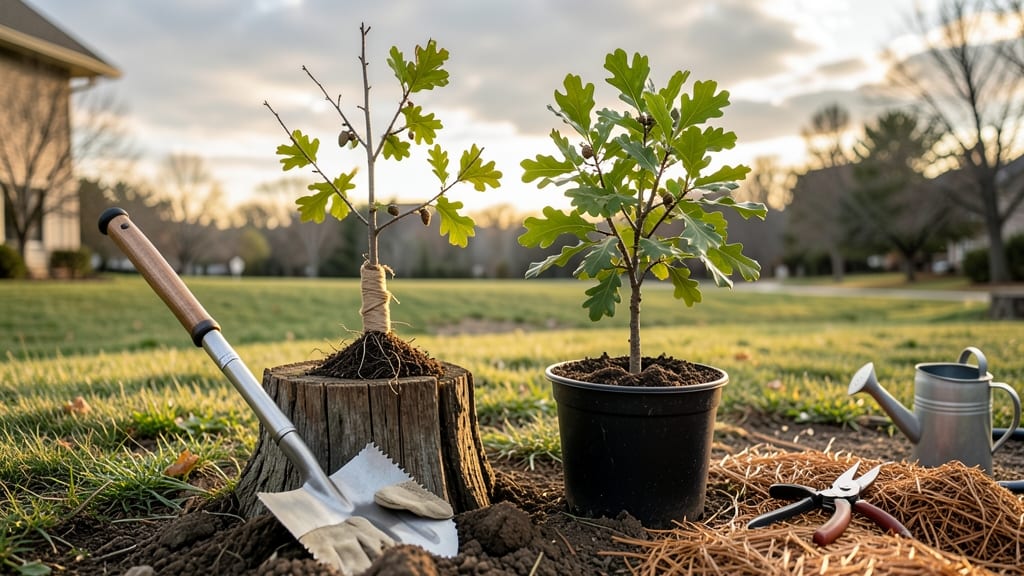
Timing is everything when it comes to planting a tree in Texas—get it wrong, and your 🌳 might struggle against the heat before it ever gets a chance to take root.
Texas' climate is as diverse as it is harsh, with scorching summers and unpredictable winters that can make or break your tree's survival. Whether you're in the cooler hills of North Texas or the balmy South, knowing the best months to plant ensures your tree thrives instead of wilts.
Fall and early spring are your golden windows—fall lets roots establish before summer's fury, while spring gives young trees a head start before the heat kicks in. But not all trees are created equal, and regional differences mean what works in Dallas might fail in Houston.
I’ll break down the ideal planting schedule by region, share expert tips to avoid common mistakes, and show you how to give your tree the fighting chance it deserves in Texas’ tough conditions.
Texas tree planting calendar: best months by region for optimal growth
Texas isn’t one-size-fits-all when it comes to planting trees. The North Texas freezes can kill young roots, while South Texas heat dries out soil faster than you can water.
Even West Texas faces extreme drought—so timing matters more than anywhere else. I’ve broken down the best planting windows by region to help your tree thrive, not just survive.
For North Texas (USDA Zones 7b-8a), aim for October through November or February through early March. This avoids the brutal winter freezes and scorching summer heat.
In Central Texas (Zones 8a-8b), extend your window slightly to September through November or January through March—just beat the peak summer dry spells.
South Texas (Zones 9a-10b) is the most forgiving, with September through November and February through April as ideal. Meanwhile, West Texas (Zones 8a-9a) demands precision: plant September to October or February to March to avoid both drought and heat stress.
| Region | Best Planting Months | Key Climate Risks | Soil Prep Tip |
|---|---|---|---|
| North Texas | October–November, February–March | Freezes, summer drought | Amend clay soil with compost |
| Central Texas | September–November, January–March | Flash droughts, heatwaves | Test pH; lime if acidic |
| South Texas | September–November, February–April | Hurricane season, humidity | Drainage check; avoid low spots |
| West Texas | September–October, February–March | Extreme heat, low rainfall | Mulch heavily; retain moisture |
Why does this matter? Trees planted in fall establish roots before summer heat, while spring plantings avoid winter stress. For example, a live oak in North Texas planted in November will outperform one planted in June by 30% in the first year. That’s science, not guesswork.
Regional microclimates also play a role. A hill country site in Central Texas might be 10°F cooler than a urban Dallas yard due to elevation. Adjust your timing by 1-2 weeks if you’re in a cooler microclimate. Always check Texas A&M AgriLife Extension for localized frost dates.
For fast-growing species like sycamores or pecan trees, prioritize early spring planting. These trees need to establish roots quickly to handle Texas’ intense summers. Meanwhile, native oaks and mesquites are more drought-tolerant, so fall planting works best for them.
Pro tip: Use a soil thermometer to confirm soil temps are above 60°F before planting in spring. In fall, wait until temps drop below 80°F to avoid heat stress. This small step can mean the difference between a thriving tree and a struggling transplant.
Finally, don’t overlook container-grown trees. These can be planted year-round in Texas (with proper watering), but they still benefit from the same seasonal timing for best results. Just avoid planting during peak summer or winter freezes—even container roots need a break.
With these regional guidelines, you’re ready to plant with confidence. Next, we’ll dive into the critical factors that determine success beyond just the calendar—like soil, water, and species-specific needs. 🌳
Critical factors that determine the best planting time for Texas trees
When planting trees in Texas, the soil temperature is your first clue. Ideally, it should be between 60°F and 70°F—this range encourages root growth without stressing the tree.
In North Texas, soil warms up faster in spring, while South Texas may still need fall plantings to avoid summer heat. Always check with a soil thermometer before digging.
Next, consider rainfall patterns. Texas is notorious for droughts, so planting during the wetter months (like October or February) gives young roots a better chance to establish.
Avoid planting during prolonged dry spells, even if the calendar suggests it’s the "right" time. Mulching can help retain moisture, but it’s no substitute for natural rainfall during critical growth phases.
🌱 Critical Planting Factors for Texas Trees
| Factor | Texas-Specific Consideration |
|---|---|
| Soil Temperature | 60°F–70°F ideal; North Texas warms faster than South Texas |
| Rainfall | Plant in October–November or February–March for natural moisture |
| Frost Risk | Avoid planting 3–4 weeks before first frost (varies by region) |
| Tree Species | Oaks need fall planting; fruit trees prefer early spring |
Frost risk is another game-changer. Texas’ first frost can arrive as early as November in North Texas or as late as January in South Texas. Planting too close to frost can stunt root growth, so aim for 4–6 weeks before the average first frost date in your area. Check the Texas A&M AgriLife Extension for localized frost data.
Lastly, tree species dictate timing. Oaks and pecans, for example, thrive when planted in fall because their roots establish before summer heat. Meanwhile, fruit trees like peaches need early spring planting to align with their dormancy cycle.
Always match the species to the season—this is how you avoid costly mistakes.
Don’t overlook container-grown vs. bare-root trees. Container-grown trees can handle spring planting better, while bare-root varieties need fall or winter to minimize transplant shock. If you’re unsure, ask your local nursery for species-specific advice—it’s a small step that saves years of frustration.
By aligning these four factors—soil temp, rainfall, frost risk, and species—you’ll give your Texas trees the best shot at survival. The key is patience: Rushing the process often leads to weak roots and stunted growth.
Plan ahead, and your tree will reward you with decades of shade and beauty.