
Plants
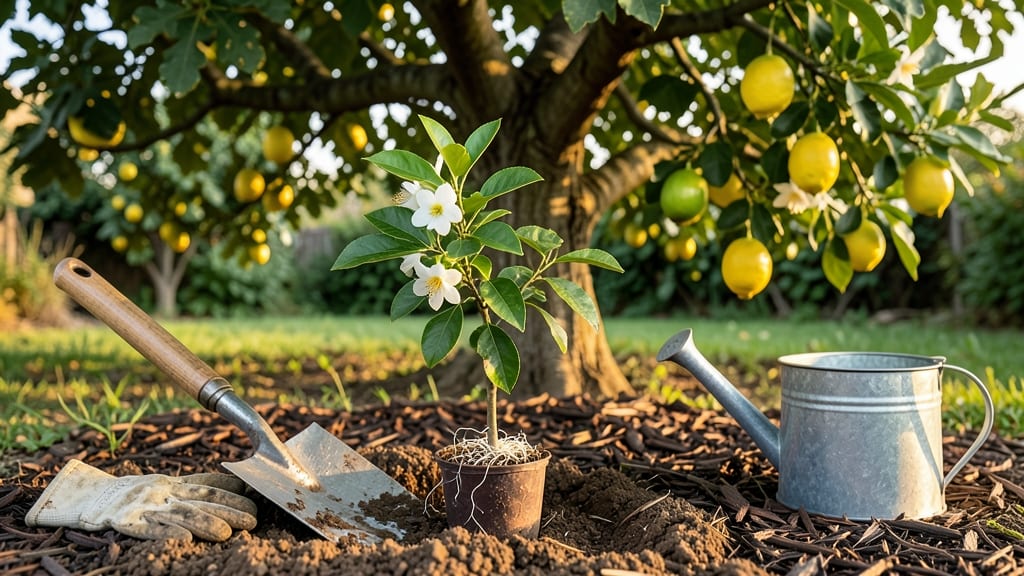
If you're dreaming of harvesting fresh, juicy lemons straight from your Louisiana backyard, timing your lemon tree planting is the game-changer you can't afford to miss. The wrong window could mean frost damage or years of stunted growth—especially when Louisiana's unpredictable weather swings from steamy summers to chilly surprises.
Most gardeners in USDA Zones 8a-9b know the secret lies in planting after the last frost, but here's the catch: Louisiana's frost-free window varies by region.
New Orleans and Baton Rouge can start as early as February, while areas like Shreveport might need to wait until March to avoid those sneaky cold snaps that could kill young 🍋 lemon trees.
In this guide, I'll break down exactly when to plant for maximum success—whether you're going for that spring planting rush or prefer the cooler fall window.
We'll cover soil prep, frost protection, and even how to spot the perfect microclimate in your area to give your tree the best possible start.
Ready to turn your citrus dreams into reality? Let's dive into the precise planting schedule that'll have your lemon tree thriving—and fruiting—faster than you thought possible in Louisiana's unique climate.
Louisiana’s ideal lemon tree planting months: frost-free window explained
Louisiana’s USDA Zones 8a-9b create perfect conditions for lemon trees, but timing is critical. The frost-free window runs from late February through April, with a secondary window in September-October. Planting outside these periods risks frost damage or transplant shock.
Most of Louisiana sees its last frost around March 15, though south Louisiana (like New Orleans) may see frost-free conditions by February 28. Northern areas (like Shreveport) often wait until April 1 to plant safely. Always check your local National Weather Service frost dates for precision.
For container-grown lemon trees, you can extend the window slightly by moving pots indoors during cold snaps. However, in-ground plantings must stay outside until all frost risk passes. Even a 28°F night can kill young trees.
Microclimates matter! Coastal areas like Grand Isle stay warmer longer, while inland cities like Baton Rouge may need to wait until mid-April. Observe your yard’s sun exposure and wind patterns—south-facing spots with windbreaks are ideal.
Fall planting (September-October) works well too, giving roots time to establish before winter. Just avoid planting when soil temps drop below 60°F, as root growth slows dramatically.
🌱
| Timeframe | Planting Window | Key Considerations | Best For |
|---|---|---|---|
| Late February | South Louisiana only | Warmer microclimates; protect from late frosts | Coastal areas |
| March 15-April 15 | Statewide ideal window | Soil temps 60°F+; full root growth | In-ground plantings |
| September 1-October 15 | Secondary frost-free window | 60°F soil temps; establish roots before winter | Urban containers |
| After November 1 | Risky—avoid unless using heated containers | Cold snaps likely; slow growth | Emergency plantings |
If you’re in Zone 8a (northern Louisiana), err on the side of caution and wait until April 15. The Meyer lemon variety handles cooler temps slightly better than Eureka or Lisbon lemons, making it a top choice for early planting.
Pro tip: Use row covers or burlap wraps for young trees planted in late March to protect against 28°F dips. Mulch heavily around the base to insulate roots—3-4 inches of pine straw works perfectly in Louisiana’s climate.
Remember, container-grown trees can be planted 2-4 weeks earlier than in-ground plantings, as you can move them to sheltered spots during cold snaps. Just ensure pots have drainage holes to prevent root rot in Louisiana’s humid summers.
☀️
How to prepare for planting: soil, varieties, and cold protection tips
Before you rush out to plant your lemon tree in Louisiana, preparation is key—especially when dealing with our unpredictable winter frosts and heavy clay soils. The right soil prep and cold-hardy variety can mean the difference between a thriving tree and one that struggles to survive its first year.
Let’s break down what you need to know before digging in.
Louisiana’s USDA Zones 8a–9b allow for year-round citrus growing, but young lemon trees still need protection from unexpected cold snaps, which can dip below 28°F even in milder winters.
The best varieties for our climate are ‘Meyer’ lemon trees (the most cold-tolerant) and ‘Eureka’ or ‘Lisbon’ lemons, which handle heat and humidity better than standard varieties.
🌱 Did You Know? The ‘Meyer’ lemon is your best bet for Louisiana—it can tolerate brief dips to 20°F with proper protection, while standard lemons often die below 28°F. This variety also produces sweeter, smaller fruit that ripens faster, perfect for our short growing seasons.
🌱 Step-by-Step Prep Guide for Planting Lemon Trees in Louisiana
- 🌿 Step 1: Test and Amend Your Soil Lemon trees hate soggy roots, so test your soil’s drainage. If it’s heavy clay (common in Louisiana), mix in 30% compost or sand to improve aeration. Aim for a pH of 6.0–7.0—citrus thrives in slightly acidic to neutral soil.
- 🪴 Step 2: Choose the Right Location Plant in a spot with full sun (6+ hours daily) and shelter from strong winds. Urban areas? Use large containers (15+ gallons) for mobility—you can move potted trees indoors or under cover during cold snaps.
- ❄️ Step 3: Protect Against Frost For early spring/fall plantings, use burlap wraps or frost blankets to shield young trees. In Zone 8a (northern LA), consider microclimate adjustments, like planting near a south-facing wall to trap heat.
- 💧 Step 4: Water Deeply Before and After Planting Water the root ball thoroughly 2–3 days before transplanting to reduce shock. After planting, give it a deep soak (1–2 gallons) to encourage root spread. Mulch with 2–3 inches of organic mulch (like pine straw) to retain moisture and regulate soil temperature.
- 🌡️ Step 5: Monitor First Winter If temps drop below 30°F, cover the tree with a frost blanket or move potted trees to a garage or sunroom. Avoid fertilizing until spring—focus on watering lightly and protecting new growth.
One of the biggest mistakes I see in Louisiana gardens is planting too early in hopes of a longer growing season. While it might seem logical to get your tree in the ground in January, a late frost can kill young roots before they establish.
Instead, wait until mid-February (after the average last frost date) or opt for fall planting in September, when soil is still warm but nights cool down.
If you’re planting in containers, choose a fast-draining mix (like 60% potting soil, 30% perlite, and 10% compost) to prevent root rot, a common issue in Louisiana’s humid climate.
Container-grown trees also let you rotate them for even sun exposure and move them indoors during cold snaps—a lifesaver for urban gardeners.
Finally, don’t skip the mulching step. A thick layer of mulch acts like a thermal blanket, keeping roots 5–10°F warmer in winter and cooler in summer. Plus, it suppresses weeds and retains moisture—critical for lemon trees, which drought-stress easily but also rot in waterlogged soil.
Aim for 2–3 inches of mulch, keeping it 6 inches away from the trunk to prevent rot.