
Plants
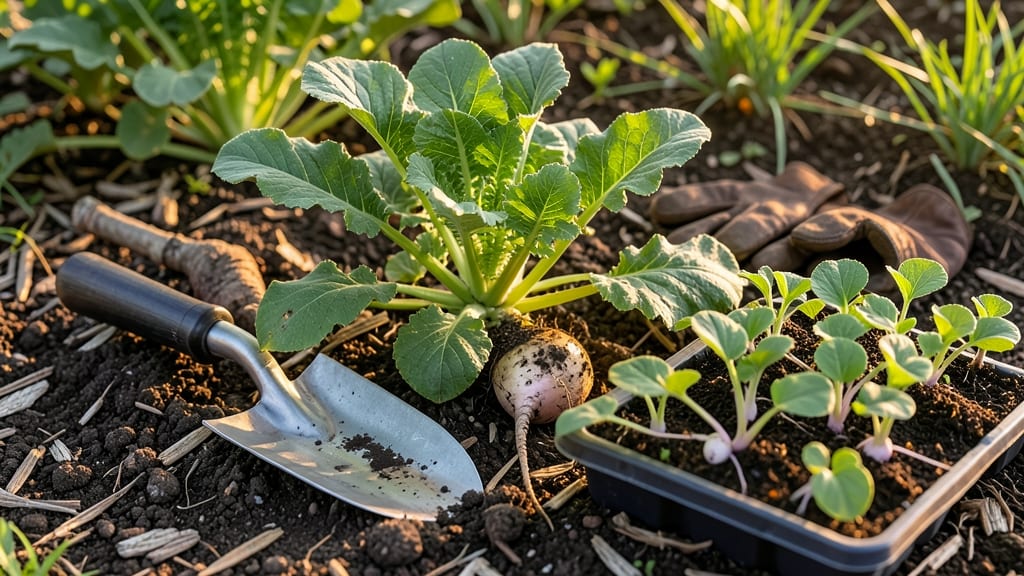
Planting turnips in Georgia isn’t just about dropping seeds in the dirt—it’s about catching that perfect frost-free window to grow sweet, fast turnips before the heat or cold ruins your harvest.
With Georgia’s Zone 7b-8b climate, timing is everything: too early, and frost will turn your greens to mush; too late, and your roots turn bitter or bolt.
Most gardeners in Georgia swear by two planting seasons: early spring (March–April) and late summer (August–September). But here’s the catch—your exact timing depends on whether you’re in northern Georgia (cooler winters) or southern Georgia (warmer winters).
I’ll break down the ideal months for fast growth and how to adjust for your specific microclimate.
You’ll also learn how to avoid common mistakes like overcrowding (a big no-no for turnips!) and why soil prep matters more than you think in Georgia’s clay-heavy dirt.
Whether you’re a first-time gardener or a seasoned pro, these tips will help you grow turnips that are crisp, flavorful, and ready to harvest in just 45 days.
Ready to turn your Georgia garden into a turnip powerhouse? Let’s dive into the exact planting schedule, soil tricks, and pest prevention strategies that’ll make your harvest faster and more abundant than ever.
Georgia turnip planting calendar: best months by variety for fast harvests
Georgia’s Zone 7a-8b climate gives you two perfect windows for growing turnips: early spring and late summer. The key is planting when soil temps hit 40°F but before summer heat triggers bolting.
In northern Georgia (Zone 7a), aim for March 15-April 15 for spring; southern Georgia (Zone 8b) can start slightly earlier in February.
For fall harvests, August 1-September 15 is ideal across all regions. This timing ensures roots mature before Georgia’s average first frost on November 15. Miss this window, and you’ll risk bitter greens or stunted roots from heat stress.
Turnip varieties respond differently to Georgia’s heat. ‘Tokyo Cross’ (great for greens) handles summer better than ‘Purple Top White Globe’ (best for roots). Always check seed packets for days to maturity—most Georgia growers harvest spring turnips in May-June and fall crops in October-November.
🌱 Georgia Turnip Planting & Harvest Timeline
| Season | Best Planting Month | Soil Temp | Variety Recommendation | Harvest Window |
|---|---|---|---|---|
| Spring | March 15-April 15 | 40-60°F | Purple Top White Globe | May-June |
| Fall | August 1-September 15 | 60-75°F | Tokyo Cross | October-November |
| Late Summer (Extender) | July 15-August 1 | 70-75°F | Shogoin | September-October |
📅 Pro Tip: Use row covers in Zone 7a to extend spring planting to April 30.
Georgia’s clay-heavy soils often need amending before planting. Work in 2-3 inches of compost and a balanced fertilizer (5-10-10) at planting. For spring turnips, test soil pH—Georgia’s acidic soils (5.0-5.5) may need lime to reach the ideal 6.0-7.0 range.
Adjust your planting schedule if Georgia’s weather surprises you. Check the National Weather Service for 10-day forecasts—if temps drop below 32°F after sowing, use row covers or move containers indoors temporarily. Southern Georgia gardeners can push spring planting to March 1 thanks to warmer winters.
For fastest growth, plant turnips in full sun (6+ hours daily) and keep soil moist but not soggy. In Georgia’s summer heat, shade cloth (30-50%) can prevent bolting during late summer plantings. Always thin seedlings to 4 inches apart—crowded turnips develop small, tough roots.
Harvest turnips when roots reach 1-2 inches in diameter (about 45 days after sowing). In Georgia’s fall, this usually means mid-October for northern regions and late October for southern areas. Leave 1 inch of greens attached to prevent bleeding during storage.
Missed the ideal window? Don’t panic—Georgia’s mild winters allow for winter turnip greens. Plant ‘Seven Top’ turnips in October and harvest greens through December-February before bolting. These cold-hardy varieties survive light frosts and add nutrient-rich greens to winter salads.
🌱 Remember: Georgia’s humidity and pests (like turnip flies) mean you should rotate planting locations yearly. If you planted turnips in your garden bed last year, move them 10+ feet away this season to break pest cycles.
How to extend Georgia’s turnip growing season: succession planting tips
Georgia’s long growing season and warm winters in southern regions (Zone 8b) mean you can grow turnips nearly year-round—but succession planting is key to avoiding bolting and maximizing harvests.
Unlike northern states, Georgia’s late spring frosts (after March 15) and early fall frosts (before November 15) create tight windows for turnips. Here’s how to stretch your season like a pro.
Start with 3 staggered plantings spaced 2-3 weeks apart in both spring and fall. For example, plant your first batch in mid-March (after last frost risk), then follow with late March and early April batches.
This ensures a continuous harvest from May through June. In fall, begin your first planting in early August, then repeat in mid-August and late August for harvests through November.