
Planting
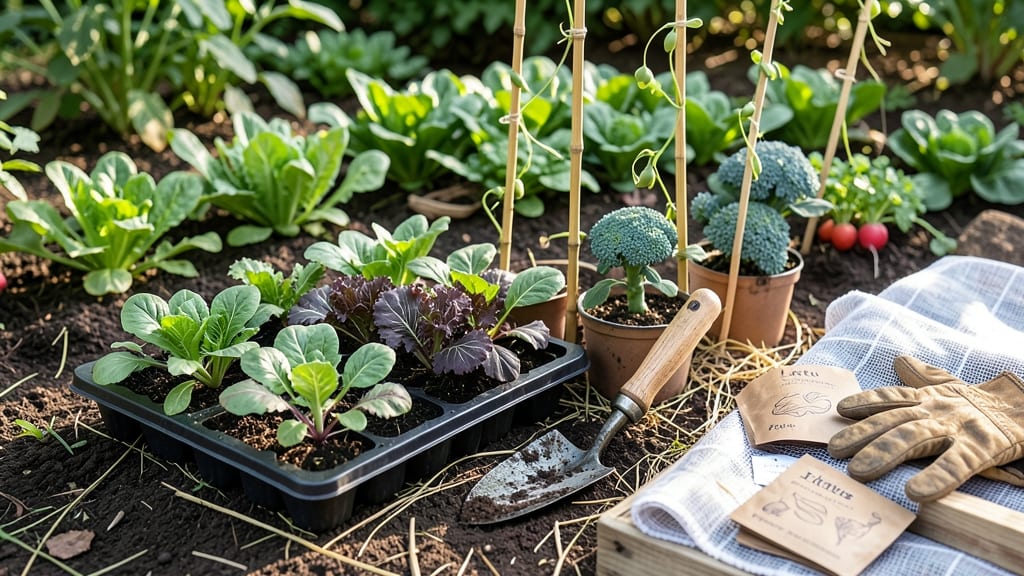
Knowing when to plant a garden in NC isn’t just about checking a calendar—it’s about mastering your zone’s quirks, from Piedmont heat waves to Coastal Plain humidity. Whether you’re dreaming of crisp spring lettuce or juicy summer tomatoes, timing makes all the difference in your 🌱 harvest.
North Carolina’s 6b-8a zones mean frost dates vary wildly: Zone 6b gardeners wait until mid-March, while Zone 8a can start as early as February. But here’s the catch—planting too soon risks frost damage, while waiting too long might leave you scrambling for space.
I’ll break down the exact weeks to plant cool-season vs. warm-season crops, so you never miss the window.
Beyond dates, microclimates throw a wrench into the plan. Mountain valleys stay cooler longer, while coastal areas warm up faster. We’ll cover how to adjust for these differences, whether you’re using row covers or heat-tolerant varieties. Ready to grow a garden that thrives? Let’s get started.
This guide cuts through the guesswork, giving you zone-specific planting charts and pro tips to avoid common mistakes. No more wasted seeds or bolted lettuce—just a garden that delivers, season after season. Let’s make your planting season foolproof.
NC last frost dates by Zone: exact weeks to plant cool-season vs warm-season crops
North Carolina spans USDA hardiness zones 6b through 8a, which means frost dates vary dramatically from the mountains to the coast.
In Zone 6b (western NC), the average last frost is March 15, while Zone 8a (coastal NC) sees its last frost as early as February 15. These differences are critical for timing your cool-season crops (like lettuce and broccoli) and warm-season crops (like tomatoes and peppers).
For cool-season vegetables, start seeds indoors 4-6 weeks before your last frost date. In Zone 7a (Piedmont), that means sowing late January to early February for early spring harvests.
Meanwhile, warm-season crops should wait until 2-3 weeks after your last frost—typically mid-April in the mountains and early March on the coast.
Here’s a quick reference for NC’s frost-free windows by zone to help you plan:
| Zone | Average Last Frost | Cool-Season Planting Window | Warm-Season Planting Window |
|---|---|---|---|
| 6b (Mountains) | March 15 | Feb 15–Mar 15 | Apr 15–May 1 |
| 7a (Piedmont) | March 1 | Jan 15–Feb 15 | Mar 15–Apr 1 |
| 7b (Coastal Plain) | February 15 | Dec 15–Jan 15 | Feb 1–Mar 1 |
| 8a (Coastal) | February 1 | Nov 15–Dec 15 | Jan 15–Feb 1 |
If you’re growing heirloom tomatoes or peppers, wait until soil temps reach 60°F+—a critical step often overlooked. In Zone 7a, this usually aligns with mid-April, but coastal gardeners can plant as early as late February.
For cool-season crops, like spinach or kale, direct-sow 2-3 weeks before your last frost for a head start.
Pro tip: Use NC State Extension’s frost date maps for your exact location, as microclimates (like valleys or urban heat islands) can shift frost dates by 1-2 weeks. For example, Asheville (Zone 7a) might see frost until April 1, while Raleigh (Zone 7b) averages March 15.
Always check local records to avoid frost damage to tender seedlings.
For fall planting, aim to sow cool-season crops 90-120 days before your first frost. In Zone 6b, that’s late July to early August, while Zone 8a can extend planting until mid-September. This strategy maximizes your harvest window and avoids winter-kill.
One common mistake is planting warm-season crops too early, which leads to stunted growth or bolting in lettuce. To prevent this, use row covers for early starts or opt for heat-tolerant varieties like ’Black Seeded Simpson’ lettuce, which handles 85°F+ temps better than traditional types.
For perennials, like asparagus or rhubarb, plant in early spring (after frost) or early fall (6-8 weeks before frost) to establish strong roots before winter. These crops thrive with consistent moisture and well-draining soil, making them ideal for NC’s varied climates.
Remember, soil temperature matters just as much as air temperature. Use a soil thermometer to confirm 50°F+ for cool-season crops and 60°F+ for warm-season crops. In Zone 7a, this often means waiting until mid-April for tomatoes, even if the air feels warm earlier.
Finally, keep a gardening journal to track your local frost dates and adjust planting times yearly. Over time, you’ll refine your schedule to match NC’s unpredictable weather patterns—whether it’s an early March frost or a September heatwave.
🌱
How to adjust planting times for early springs, late frosts, and microclimates in NC
North Carolina’s microclimates can throw off even the most careful gardeners. A Piedmont valley might warm up weeks before the mountain regions, while coastal areas often experience delayed frosts. Learning to adjust planting times based on these variations ensures your garden thrives year-round.
Start by monitoring local frost dates through resources like the NC State Climate Office. Their data shows Zone 6b (western NC) often has 2-3 weeks later last frosts than Zone 8a (coastal).
Use this to shift planting windows by 2-4 weeks depending on your elevation and proximity to water bodies.
Row covers and cold frames are game-changers for extending seasons. For example, I’ve used floating row covers to plant spinach and kale 4 weeks before my Zone 7a last frost date. This lets me enjoy early harvests without risking frost damage.
🌱
🌡️ Microclimate Adjustments for NC Gardeners
Plant warm-season crops 3-4 weeks after average last frost
Adjust for sudden heat waves; use shade cloth for seedlings
Watch for delayed frosts; plant fall crops by August 15
🌱 Heat-Tolerant Varieties
For Piedmont summers, choose varieties like 'Heatmaster' tomatoes or 'Malaga' okra. These handle 90°F+ temps better than standard varieties.
If you’re in a low-lying area, like the Albemarle Sound region, humidity can create ideal conditions for fungal diseases. Space plants 20-30% wider than recommended to improve airflow, and avoid overhead watering during afternoon hours when humidity peaks.
For late frosts, especially in Zone 6b, I’ve had success with straw bale gardens. The bales warm up faster than soil and provide insulation. Plant cool-season crops like peas and radishes directly into the bales 2 weeks before your usual start date.
Always keep a planting journal to track what works in your specific microclimate. Note when you plant, harvest, and any unexpected weather events. Over time, you’ll spot patterns—like my Zone 7a garden’s tendency to experience late May frosts—and adjust accordingly.
🌿