
Planting
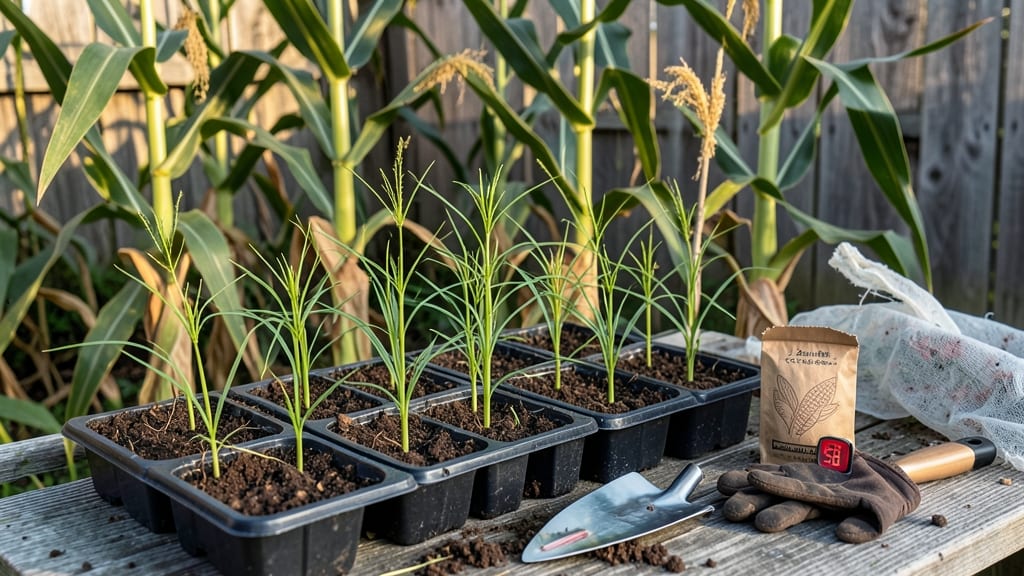
Timing your garden planting in Iowa isn't just about following a calendar—it's about outsmarting unpredictable spring weather that can turn a great harvest into a gamble.
Whether you're a first-time gardener or a seasoned green thumb, knowing the exact planting windows for your USDA Zone 5A-5B location makes all the difference.
Iowa’s last frost dates can vary by weeks, and getting it wrong means risking frost damage or stunted growth. That’s why I’ve dug into the data—including insights from Iowa State University Extension—to create a foolproof schedule tailored to your region.
You’ll learn when to sow cool-season crops like peas and spinach, and when to wait for the soil to warm up for heat-lovers like tomatoes and peppers.
But here’s the kicker: even with the best timeline, Iowa’s weather can throw curveballs. I’ll show you how to adjust your planting strategy using row covers, cold frames, and other tricks to extend your growing season. No more guessing—just a clear, actionable plan to maximize your harvest.
Ready to turn your backyard into a thriving garden? Let’s dive into the season-by-season breakdown that’ll have you planting with confidence—and reaping the rewards all summer and fall.
Iowa’s planting calendar by season: frost dates and hardiness zones 5A-5B
Iowa’s USDA Zones 5A-5B mean gardeners must work with a short growing season—typically just 120-150 frost-free days. The key to success? Knowing your last spring frost and first fall frost dates, which vary by region.
Northern Iowa (Zone 5A) usually sees its last frost around May 10-15, while southern Iowa (Zone 5B) averages April 25-May 5.
For warm-season crops like tomatoes and peppers, wait until soil temps hit 60°F+—usually two weeks after your last frost date. Cool-season crops (spinach, kale) thrive when planted 4-6 weeks before the last frost, even if the ground is still cold.
Iowa State University Extension recommends using frost-free degree days as your guide, not just calendar dates.
Here’s how to use this calendar: Start with your average last frost date, then count backward for cool-season crops or forward for warm-season ones. For example, if your last frost is May 10, plant radishes by April 15 and beans by May 25.
Always have a backup plan—like row covers—for late springs.
| Season | Planting Window | Key Crops | Soil Temp | Notes |
|---|---|---|---|---|
| Early Spring | March 20 - April 15 | Peas, Spinach, Lettuce, Potatoes | 40-50°F | Use cold frames for earlier starts |
| Late Spring | April 25 - May 15 | Carrots, Beets, Onions, Radishes | 50-60°F | Watch for late frosts |
| Summer | May 25 - June 15 | Tomatoes, Peppers, Cucumbers, Corn | 60°F+ | Mulch to retain moisture |
| Fall | August 1 - September 10 | Kale, Broccoli, Brussels Sprouts, Beets | 50-60°F | Extend season with row covers |
Pro tip: Use Iowa State’s Frost Probability Tool to get hyper-localized dates for your county. For example, Dubuque (Zone 5A) has a 25% chance of frost on May 20, while Des Moines (Zone 5B) drops below freezing only 10% of the time after May 15.
Adjust your planting accordingly—tomatoes in Dubuque need to go in by May 25, while Des Moines gardeners can wait until June 1.
Don’t overlook fall planting—it’s your secret weapon for a longer harvest. Cool-season crops planted in early August can thrive until first frost (typically October 10-20 in Iowa). Try spinach or radishes for quick fall harvests, or broccoli and kale for winter storage.
Just remember: soil temps above 80°F can stress seedlings, so avoid late summer starts.
For perennials and asparagus, plant in early spring (March-April) or early fall (September) when soil is workable but not frozen. These crops establish roots slowly, so give them 6-8 weeks before extreme heat or cold sets in. Mulch heavily to protect roots during Iowa’s freeze-thaw cycles in shoulder seasons.
If you’re new to Iowa gardening, start with cold-hardy crops like potatoes and peas—they forgive late planting better than tomatoes or peppers. For warm-season crops, use biodegradable seed starters or transplant seedlings after May 1 to avoid transplant shock from cool soils.
Always check seed packet instructions for days to maturity and plan backward from your first frost date.
How to adjust planting times for Iowa’s unpredictable weather patterns
Iowa’s variable spring weather can throw off even the most experienced gardener. One year, the last frost might arrive by April 15, while another year, it lingers until May 10. The key to success? Flexible planting strategies that account for these swings—without sacrificing your harvest.
Start by monitoring local frost forecasts from the Iowa Environmental Mesonet, which provides real-time data. Their frost prediction maps show 32°F thresholds—the critical temperature for most tender crops. Bookmark their site and check it weekly starting in mid-March for early warnings.
Use row covers to extend your spring planting window by 2-3 weeks. Lightweight fabric (like frost blankets) traps heat and protects seedlings from late frosts. For example, I’ve planted spinach under covers in early April and still harvested by June—something I’d never risk without protection.
Use soil thermometers to time warm-season crops
Warm-season crops like tomatoes and peppers need soil temps above 55°F. Wait until your soil thermometer confirms this—don’t guess! I once planted cucumbers in May when the air felt warm, only to watch them wilt when the 50°F soil shocked their roots.
Plant succession crops every 2 weeks
Stagger plantings of lettuce, radishes, and bush beans every 2 weeks from April through July. This ensures a continuous harvest even if one batch fails due to unexpected frost or heat waves.
Try cold frames for early starts
A simple clear plastic box over seedlings can raise temps by 10-15°F. I’ve started broccoli in early March under a cold frame and transplanted it by April 1—6 weeks earlier than my neighbors!
For fall planting, focus on heat-tolerant varieties like kale or carrots. These thrive in cool September soil and can handle light frosts. Use black plastic mulch to warm soil for late-season spinach or turnips—this trick adds 2-3 weeks to your harvest window.
When all else fails, keep a backup seed packet of your fastest-maturing crops (like bush beans or radishes) ready to replant if early plantings fail. I’ve replanted lettuce twice in May and still had a salad by June—proof that flexibility is the secret weapon for Iowa gardeners. 🌱