
Plants
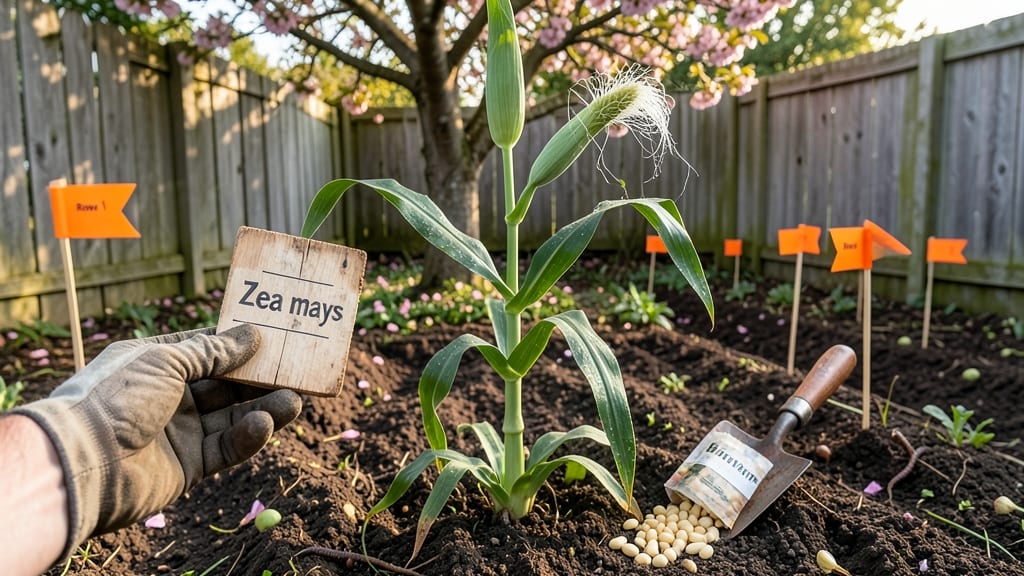
Timing your 🌽 corn planting in Iowa’s USDA Zone 5 isn’t just about following a calendar—it’s about reading the soil, watching the weather, and knowing when those 50°F temperatures finally stick around for good.
Get it wrong, and you might end up with stunted plants or seeds that never even sprout. But nail it, and you’ll be staring at towering stalks by summer, ready to harvest those sweet, juicy ears from July to September.
The key? Planting between mid-April and early June, after the last frost and when the ground warms up properly.
I’ll walk you through the exact steps—from checking soil temperatures to adjusting for Iowa’s unpredictable spring weather—so you can avoid common mistakes and maximize your yield. Whether you’re a first-time gardener or a seasoned pro, these insights will help you grow 🌽 corn like a local.
Ready to turn your backyard into a cornfield? Let’s dive into the science-backed timing that’ll have your plants thriving all season long.
Iowa corn planting calendar by soil temperature and frost dates
Iowa’s USDA Zone 5 climate demands precision when planting corn—timing affects everything from germination to yield. The ideal window spans from mid-April to early June, but your exact dates depend on soil temperature and last frost risks.
In Des Moines, for example, the average last frost falls around April 20, while Sioux City may see frost lingering until May 5.
Corn seeds need soil temperatures of 50°F+ to sprout reliably, but wait until 60°F+ for optimal growth. Using a soil thermometer is my go-to trick—planting too early in cold soil leads to uneven germination or seed rot.
In Cedar Rapids, this typically means waiting until late April unless you’re using cold-tolerant varieties.
For early-season varieties (like Golden Bantam), I plant as soon as the soil hits 55°F—about 2 weeks after the last frost. This gives them time to mature before the first fall frost in October.
Meanwhile, late-season varieties (e.g., Pioneer 39T23) can wait until early June for a longer harvest window.
Pro tip: Check the Iowa State University Extension’s frost maps for real-time updates. They adjust yearly based on 30-year averages, which helps account for Iowa’s unpredictable spring weather. I’ve learned the hard way—planting too early after a late April frost can wipe out tender seedlings overnight.
If you’re in doubt, plant in stages: sow 1/3 of your seeds at the earliest safe date, then add another 1/3 every 5–7 days. This staggered approach ensures at least one batch matures successfully, even if Mother Nature throws a curveball.
It’s how I’ve guaranteed harvests in years with cool, wet springs.
Corn also thrives on warm nights, so aim for planting when nighttime temps stay above 55°F. In southern Iowa, this might mean starting in late April, while northern regions often wait until mid-May.
Always prioritize soil warmth over calendar dates—it’s the single biggest factor in even germination.
For container gardening, use black plastic pots to warm soil faster. These absorb sunlight and raise soil temps by 5–10°F, letting you plant 1–2 weeks earlier than in-ground.
I’ve had great success with 5-gallon pots for bush corn varieties, which stay compact and don’t need as much space.
Finally, avoid planting after June 1 unless you’re growing very early-maturing varieties (like Ambrosia, which matures in 60 days). Corn needs 90–120 days of warmth to produce ears, and late plantings risk immature harvests before frost.
My rule of thumb: Count backward from your first frost date and plant accordingly.
🌽
How to adjust corn planting for Iowa’s unpredictable weather patterns
Iowa’s spring weather is famously unpredictable, with late frosts striking as late as May 10 in some regions. To protect your 🌽 corn investment, I’ve developed a three-pronged strategy: staggered planting, row covers, and drought-resistant varieties.
The key is flexibility—don’t put all your seeds in the ground at once. Instead, sow 1/3 of your seeds at your target date, then add another 1/3 every 7–10 days for a 21-day planting window. This spreads risk across different growth stages.
For late frosts, use floating row covers (lightweight fabric) to protect seedlings until they’re 4–6 inches tall. I’ve saved entire plantings this way after May frosts that would’ve wiped out unprotected corn.
Remove covers during the day to allow pollination (corn needs wind or hand-pollination for ears to form). If a frost warning hits, cover plants by sunset and remove at sunrise.
If frost is forecasted after planting:
- Water plants before sunset to add insulation
- Use row covers or old blankets (secure with bricks)
- Avoid overhead watering during frost (ice damage)
- Skip fertilizing until after frost threat passes
Drought is another Iowa-specific challenge, especially in western counties where rainfall can be 20% below average during summer. Choose drought-tolerant varieties like Pioneer 33N33 or Golden Bantam, which handle moisture stress better than standard hybrids.
For extra insurance, mulch heavily with straw or grass clippings to retain soil moisture. I’ve seen yields double in dry years by mulching—it’s like giving your corn a built-in irrigation system.
Adjust your seed depth based on moisture levels: in dry soil, plant 1.5–2 inches deep to reach damp layers; in wet conditions, shallow to 1 inch to prevent rot.
I use a soil moisture meter to check before planting—if the top 2 inches are bone-dry, hold off until rain or water thoroughly. Corn seeds need consistent moisture to germinate, but waterlogged soil causes seed rot.
Heat waves in June and July can also stress corn, especially young plants. If temps hit 90°F+, shade seedlings with shade cloth (30–50%) during peak afternoon sun. I’ve used old bedsheets in a pinch—just secure them with clips or stakes.
Avoid overhead watering during heatwaves; instead, water deeply at dawn to encourage deep root growth. Corn roots can reach 5–7 feet deep, so focus on soil hydration over frequent light watering.
For northern Iowa (e.g., Waterloo or Mason City), where growing seasons are shorter, prioritize early-maturing varieties (e.g., Ambrosia at 60 days) and plant as early as soil allows. In southern Iowa (e.g., Ottumwa), you have more flexibility to plant later and still harvest before frost.
My go-to variety for southern regions is Silver Queen, which matures in 85 days and handles heat well.
Finally, monitor corn borer activity—a common Iowa pest that can halve yields if unchecked. Plant Bt corn varieties (like Pioneer Optimum AQUAmax) for built-in pest resistance, or use neem oil sprays preventatively.
Scout your plants weekly starting in June for silken nests (white egg masses) on leaf undersides. Early intervention is key!
🌧️